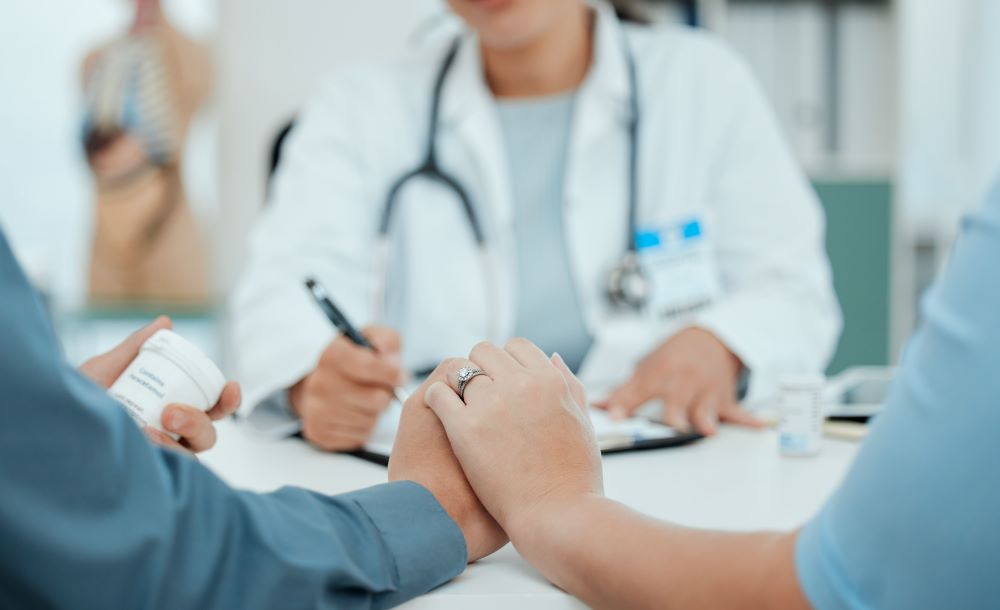
ovulation induction injections
完整的服务信息和详情
描述
You may have heard the term but still wonder what these injections are, how they work, and whether everyone needs them. That confusion is common among people planning a family so understanding the basics is an important first step to preparing properly and improving your chances.
What are ovulation induction injections, and how do they work?
Ovulation induction injections use hormones to help the ovaries grow eggs that mature fully and are ready to ovulate at the right time. The hormones used are usually FSH (follicle-stimulating hormone), sometimes combined with LH (luteinising hormone) both are hormones your body already makes. In some women the hormonal system is imbalanced or does not work fully, so eggs may not grow or ovulate as they should.
When injected, these hormones improve follicle development: the ovaries may produce more eggs, and the doctor can time ovulation more precisely. That helps whether you are timing intercourse, having IUI, or preparing eggs for IVF or ICSI, because follicles grow in a predictable window and reach quality suitable for the next steps.
Who may benefit from ovulation induction injections?
Although injections can improve pregnancy chances, they are not needed for every woman. Suitability should always be assessed with your doctor.
Women with irregular cycles or anovulation
This group is common for example in PCOS, where eggs may not mature or ovulate each cycle. Hormones can help follicles develop and increase the chance of ovulation.
Couples trying naturally for more than one year
If you have regular intercourse but have not conceived, doctors often use ovulation induction early on to define the fertile window more clearly and improve odds.
Patients in fertility treatment such as IUI, IVF, or ICSI
Ovulation stimulation is a core step in these treatments because it helps produce enough good-quality eggs for fertilisation and embryo development.
Women who want more eggs for elective freezing
If you are considering egg freezing, stimulation helps retrieve more eggs in one cycle, giving more options later whether you are not ready for children yet or need treatment that could affect fertility.
How many days of injections until ovulation?
Stimulation usually lasts about 8–12 days, depending on how your ovaries respond. During this time the doctor monitors follicle growth with ultrasound and may adjust doses for safety and effectiveness.
When follicles reach the right size, the doctor gives a trigger injection (usually hCG) so the egg is released. Ovulation typically occurs about 36 - 40 hours after the trigger the best window for intercourse, IUI, or egg retrieval for IVF/ICSI.
Benefits of ovulation induction injections
After understanding the process, you may wonder how it helps. These are common reasons doctors recommend it.
More precise timing of ovulation
Knowing when ovulation will occur helps plan intercourse, IUI, or egg retrieval for IVF/ICSI, which can improve success rates.
Better follicle and egg maturity
Especially if you do not ovulate on your own or follicles stall, hormones support development so eggs are more ready for fertilisation.
Stronger support for fertility treatment
In IUI or IVF, having enough good-quality eggs is central to success; stimulation makes these steps more effective.
How to prepare before and after injections
Following your doctor’s plan and caring for your body matter for good response. Do not skip self-care during this phase.
Rest enough and manage stress
Quality sleep and stress control matter stress-related hormone swings can reduce how well the ovaries respond to medication.
Eat to support hormone balance
Emphasise protein, leafy greens, and healthy fats to support hormones and egg development.
Avoid strenuous exercise during stimulation
Ovaries are often larger than usual; vigorous exercise may increase the risk of ovarian torsion. Prefer light activity such as walking or gentle stretching.
Attend every monitoring visit
Your doctor tracks follicle size, adjusts doses, and plans the trigger shot key steps for each cycle’s success.
包含内容
- 初步咨询
- 治疗程序
- 后续护理
- 医疗报告
定价
联系以获取价格
最终价格取决于您的具体需求
联系我们
通过以下任一渠道联系:

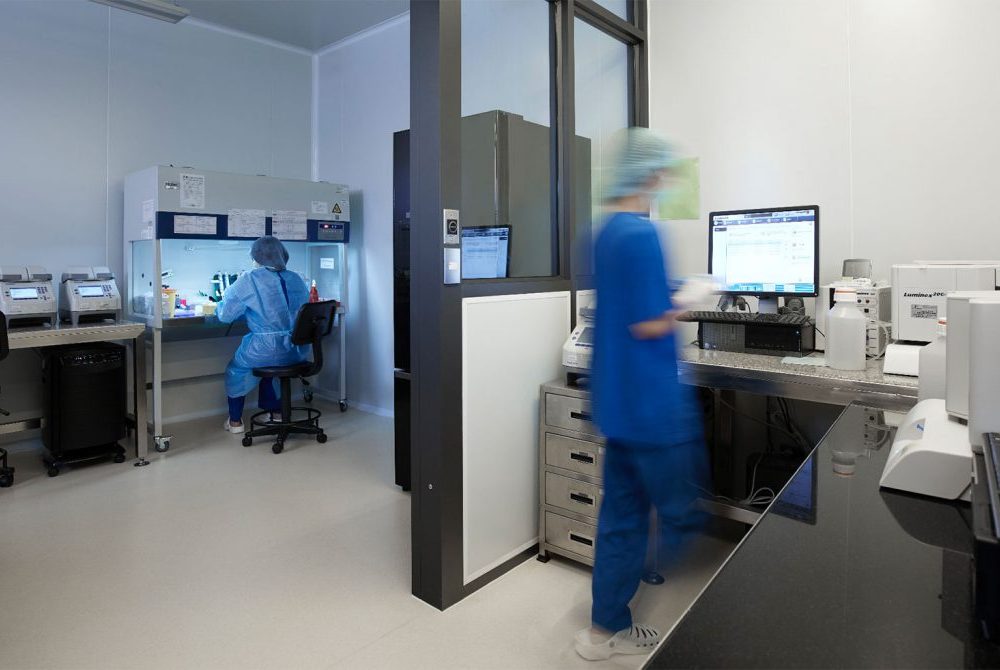
植入前遗传检测(PGT)
曼谷试管婴儿中心(BIC)是一所国际标准的不孕不育治疗中心,将胚胎植入前遗传学检测(PGT)整合到体外受精(IVF)和卵胞浆内单精子注射(ICSI)流程中。该技术可在胚胎移植回子宫前,以95–99%的准确率诊断胚胎的遗传异常。这确保只选择健康且基因正常的胚胎,有助于避免并发症并减少晚期医疗干预的需求
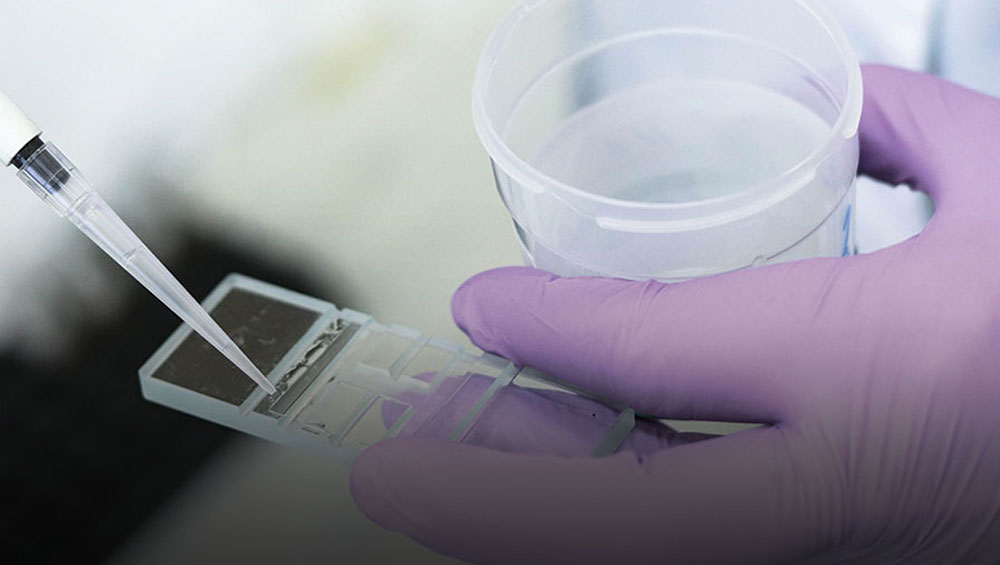
手术取精:PESA 和 TESE
PESA(经皮附睾取精术,Percutaneous Epididymal Sperm Aspiration)和TESE(睾丸取精术,Testicular Sperm Extraction)是广泛认可的技术,用于直接从附睾或睾丸采集精子。这些手术通常与ICSI(卵胞浆内单精子注射,Intra-Cyto
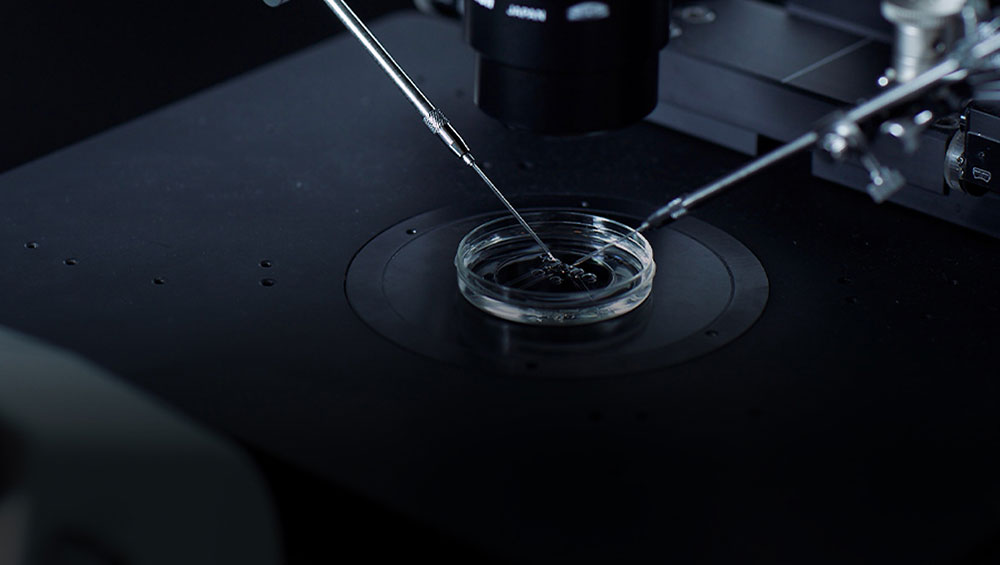
试管婴儿(体外受精)
在曼谷试管婴儿中心(BIC),我们是一家领先的生殖医学中心,拥有由生殖医学专家组成的团队、国际标准的IVF实验室及全面的医疗技术。我们致力于帮助夫妻克服不孕不育,实现他们期望中的父母梦想。 什么是试管婴儿(IVF)? 试管婴儿(IVF,全称体外受精)是一项辅助生殖技术,在受控的实验室条件下,将卵子和
ICSI
在曼谷IVF诊所(BIC),我们已提供辅助生殖治疗超过29年。我们的生殖医学专家随时为您提供全程指导,制定个性化治疗方案,确保您的ICSI治疗过程安全、高效,并贴合您的需求。 什么是ICSI? 卵胞浆内单精子注射(ICSI,Intra-Cytoplasmic Sperm Injection)是一种实
Ovulation Induction
Bangkok IVF Clinic (BIC) is an international-standard fertility center led by a team of highly experienced specialists. We understand the hopes of eve
Oocyte Retrieval
At Bangkok IVF Clinic (BIC), we offer over 29 years of experience in reproductive medicine. Our specialized physicians, certified IVF laboratories, an