IVF/ICSI
Informações e detalhes completos do serviço
Descrição
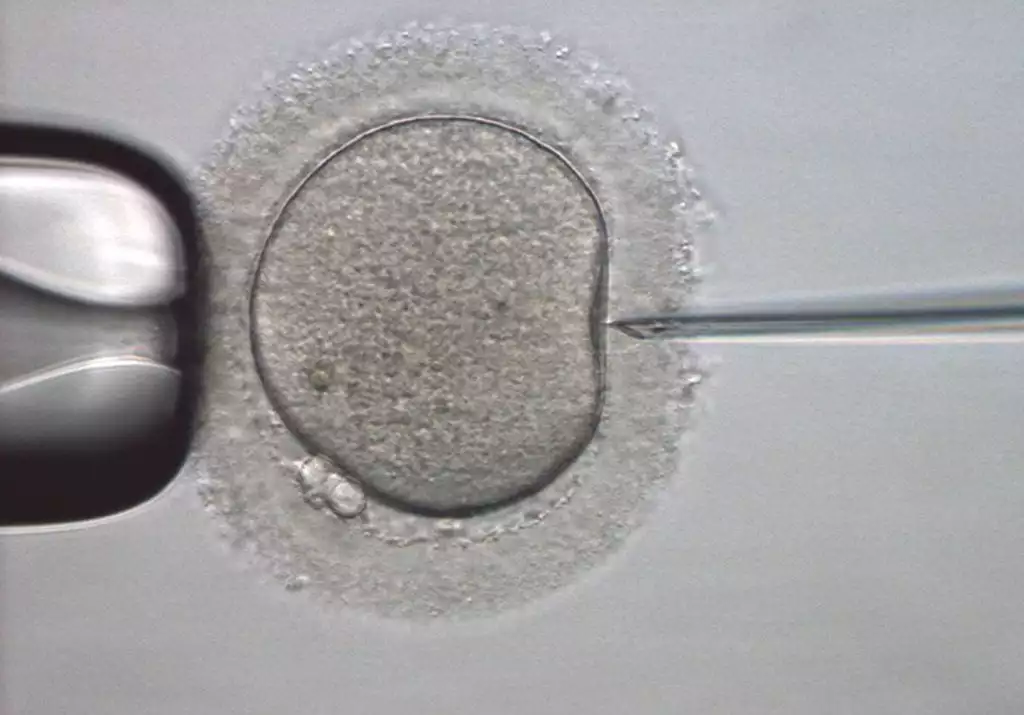
IVF/ICSI, is a method of fertilization that takes place outside the body and in a laboratory dish.
The key difference between IVF and ICSI is how the sperm fertilizes the egg. In IVF, the egg and sperm (of which there are many) are left in a laboratory dish to fertilize on their own. In ICSI, the selected sperm is directly injected into the egg.
ICSI yields satisfactory fertilization results and helps reduce problems with abnormal fertilization caused by eggs and sperm – such as fertilization by multiple sperm and the inability of the sperm to penetrate the eggs (ZP) and fertilize, etc.
For those with significant sperm problems, such as with high sperm DNA fragmentation, with a history of previous fertilization failure or with poor embryo quality, then IMSI (Intracytoplasmic Morphologically Selected Sperm Injection) may be advised by the physician.
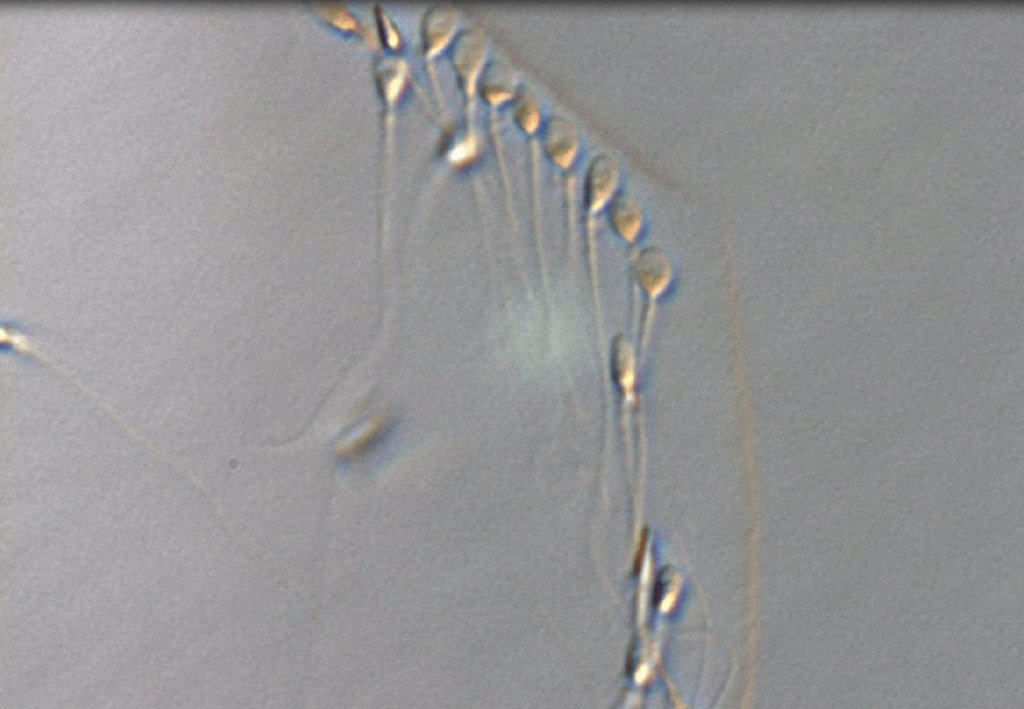
IMSI is a technique using a high-powered microscope to select sperm with the best morphology and the lowest amount of fragmentation to fertilize with eggs.
Process
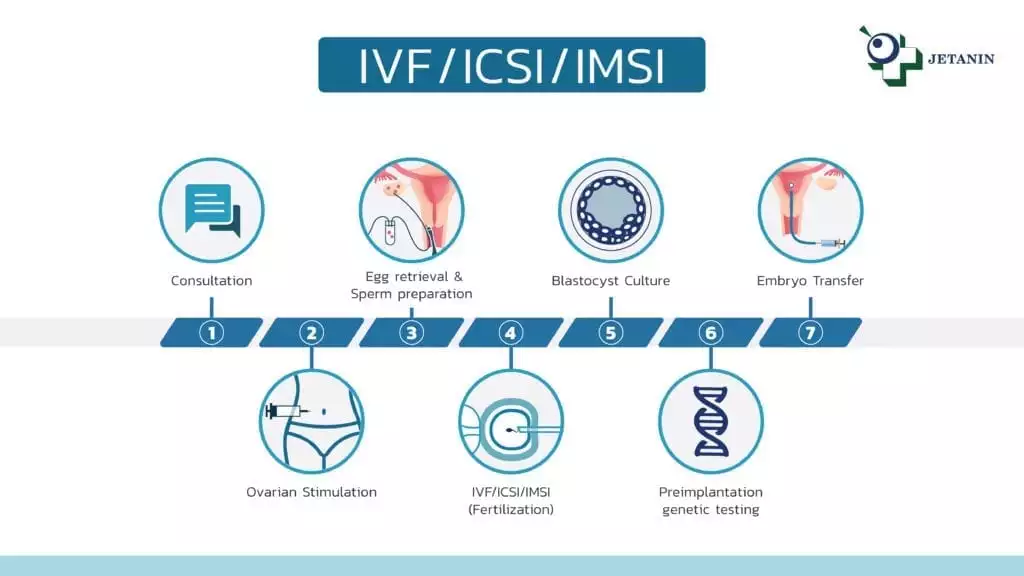
After the female partner has received ovarian stimulation about 9-14 days to acquire multiple good quality eggs, doctors will collect eggs. The eggs will be transferred to a culture media and kept in an incubator that controls temperature, humidity and the amounts of various gases ideal for egg growth for a period of time. After allowing the eggs to mature for the right amount of time, the embryologist will mix the mature eggs with healthy sperm which has been specially prepared and selected. Fertilization will be checked 16-18 hours later
Recommended for
Women with blocked or damaged fallopian tubes
Women with ovulation disorders
Women with endometriosis/Adenomyosis or severe pelvic adhesion
Individuals with a genetic disorder
Male factor infertility including decreased sperm count or sperm motility
Unexplained infertility.
Success depend on
Age
Causes of infertility
At Jetanin
Our embryo and sperm laboratories have been accredited by JCI from USA and RTAC from Australia
We use cutting-edge technology in every step of treatment, from sperm selection, embryo culture and genetic testing of the embryo
We have 9 reproductive specialists that are experienced in fertility treatment
Visão Geral
O que Está Incluído
- Consulta Inicial
- Procedimento de Tratamento
- Cuidados de Acompanhamento
- Relatório Médico
Preços
Contate para preços
O preço final depende de suas necessidades específicas
Tags
Contate-Nos
Entre em contato por qualquer um destes canais:
Informações do Provedor

Jetanin Hospital
Bangkok, Thailand
IMSI
IMSI (Intracytoplasmic Morphologically Selected Sperm Injection) is used to select sperm before fertilizing eggs. Embryologist will use microscopes wi
PESA/TESE
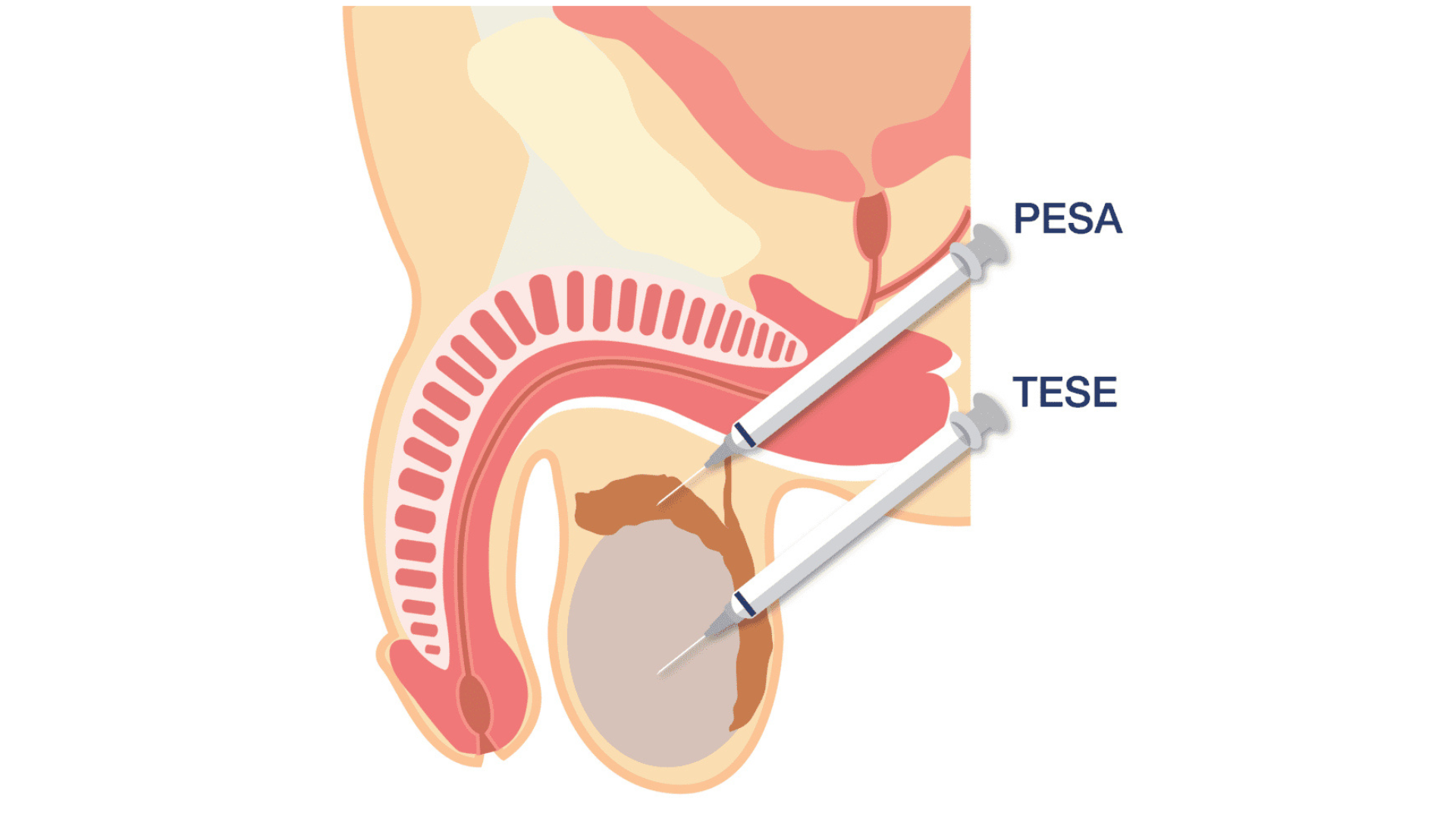
PESA/TESE can be used in cases involving male sterility with an absence of sperm in semen. Possible causes are from occlusion of the vas deferens, con
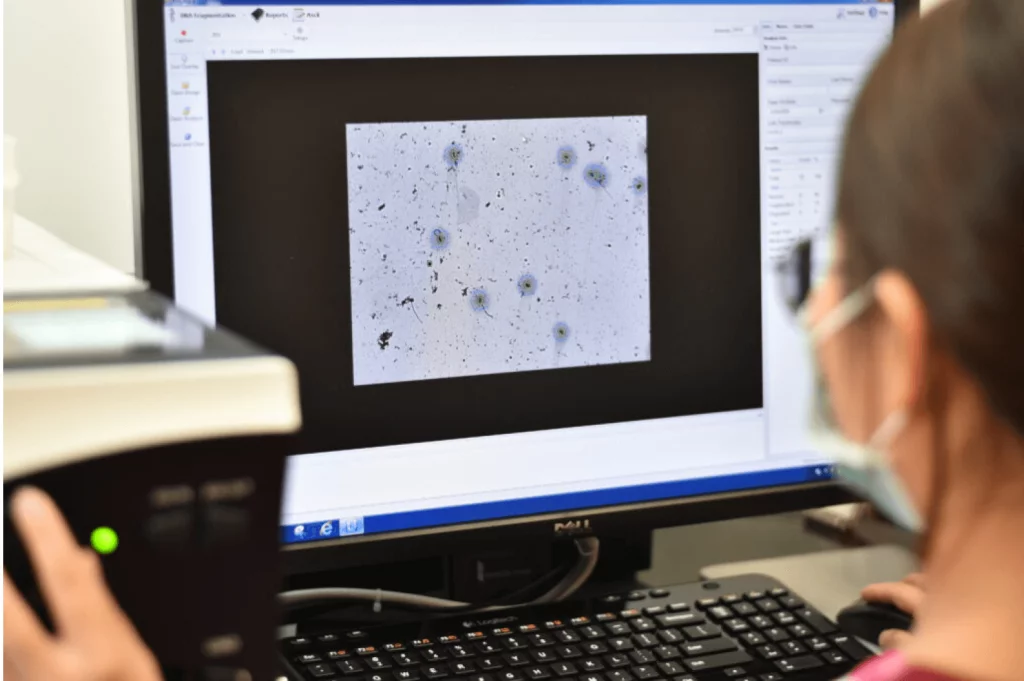
Sperm DNA Fragmentation
To assess quality of sperm DNA by sperm chromatin dispersion technique using Halosperm G2 test kit from Spain. Process When sperm with complete DNA un
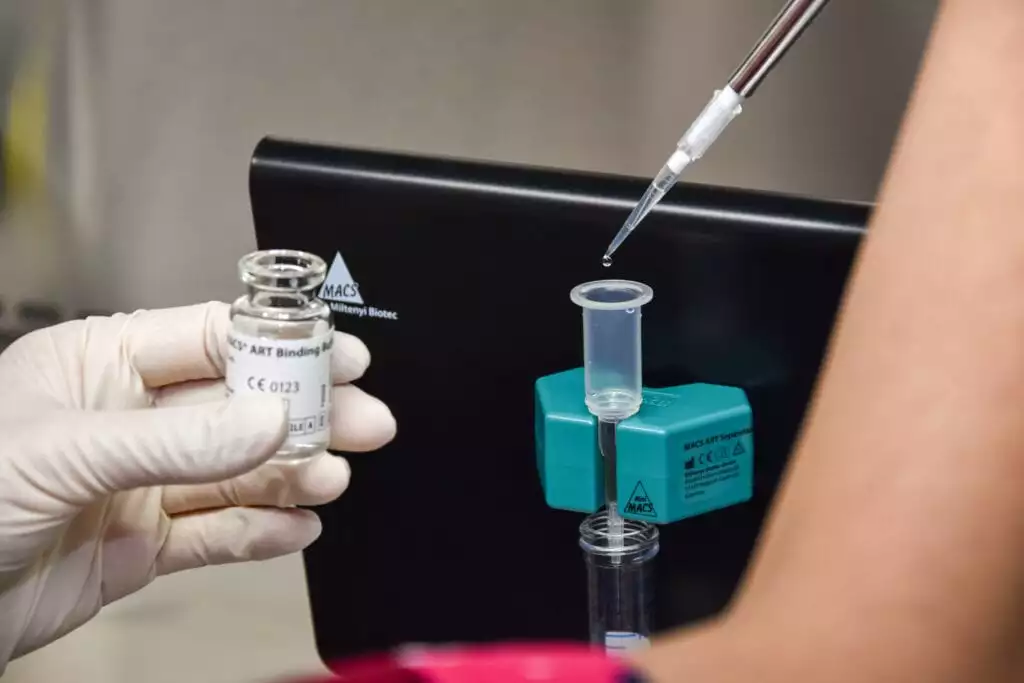
MACs sperm selection
New techniques for sperm selection in fertility treatment. Using the principle of separating sperm that is undergoing apoptosis process (programmed ce
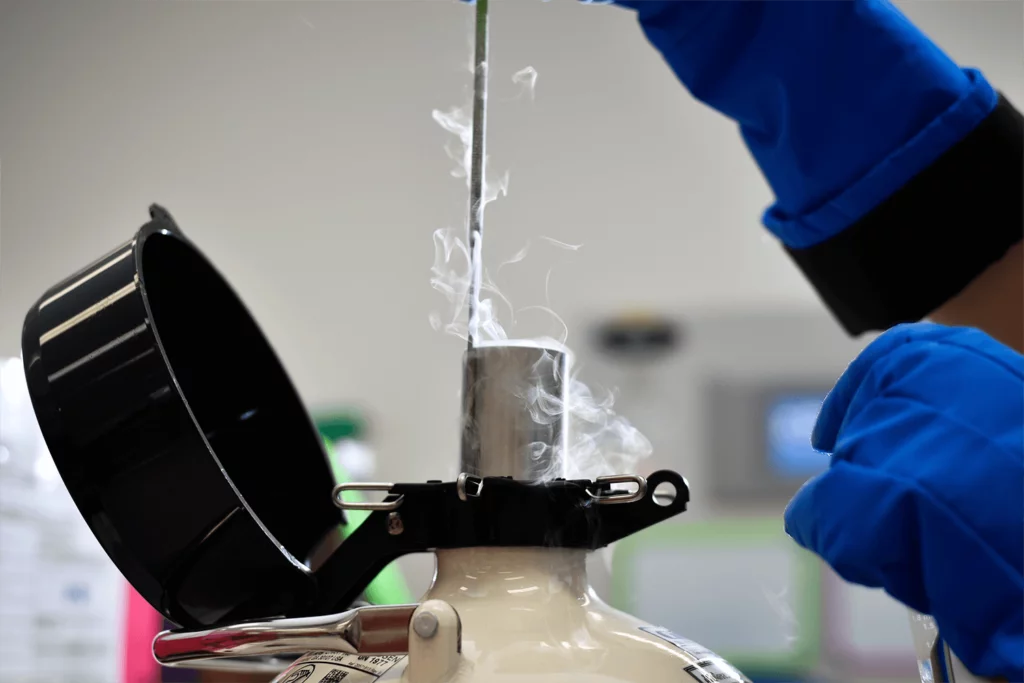
Sperm Freezing
A technique for storing sperm at freezing temperature at –196 degree Celsius. Sperm can be stored for long by dehydrating cells to reduce ice crystal
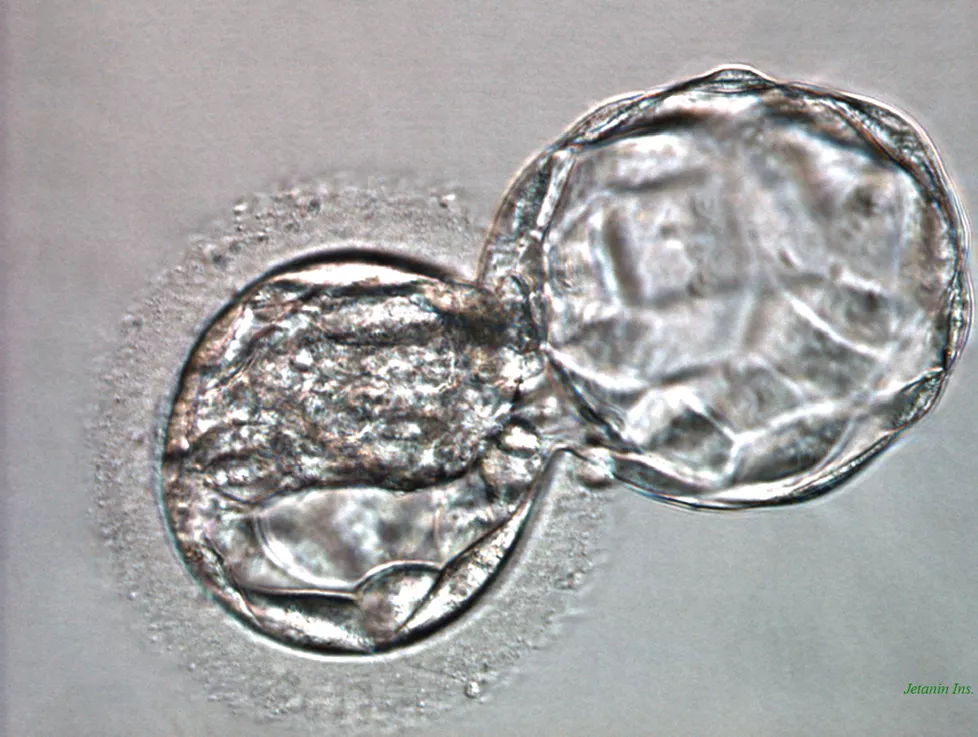
Blastocyst Culture
Blastocyst culture is the process of culturing embryos to the blastocyst stage outside the human body. Once fertilization occurs, an embryo is formed.