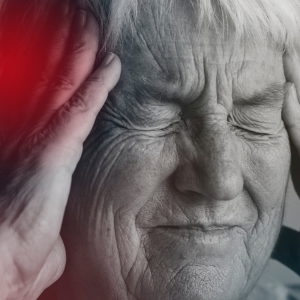
Transcranial Pulse Stimulation (TPS)
ပြည့်စုံသောဝန်ဆောင်မှုအချက်အလက်နှင့်အသေးစိတ်
ဖော်ပြချက်
Alzheimer’s ရောဂါအတွက် Transcranial Pulse Stimulation (TPS) ကို PYONG Rehabilitation Penthouse တွင်
Transcranial Pulse Stimulation (TPS) သည် ခွဲစိတ်မှု သို့မဟုတ် အထွေထွေ မေ့ဆေး မလိုဘဲ ဦးနှောက်၏ သတ်မှတ်ထားသော နေရာများသို့ pulsed ultrasound waves များ ပို့ဆောင်ပေးသည့် non-invasive brain stimulation နည်းလမ်းဖြစ်သည်။ Session တစ်ကြိမ်သည် ပုံမှန်အားဖြင့် မိနစ် 30–45 ခန့် ကြာမြင့်သည်။ လက်ရှိ အထောက်အထားများအရ TPS ကို holistic care plan ၏ အစိတ်အပိုင်းအဖြစ် အသုံးပြုပြီး ဆရာဝန်က အနီးကပ် စောင့်ကြည့်ပါက Alzheimer’s လူနာအချို့တွင် memory, attention, and mood ကို ယာယီ တိုးတက်စေနိုင်ကြောင်း ဖော်ပြထားသည်။ ဤနည်းလမ်းသည် ဦးနှောက် ပြန်လည်နာလန်ထူမှုကို ဖြည့်စွက်ရန် ခွဲစိတ်မှု မလိုသော နည်းလမ်းကို ရှာဖွေနေသူများအတွက် ဆွဲဆောင်မှုရှိသော ရွေးချယ်စရာတစ်ခု ဖြစ်သည်။
At PYONG Rehabilitation Penthouse Clinic (11th Floor, Gaysorn Tower, BTS Chidlom), သင်သည် Rehabilitation Medicine physician ထံမှ အကဲဖြတ်ခြင်းနှင့် ရည်မှန်းချက်သတ်မှတ်ခြင်းကို multidisciplinary team (Physical Therapists, Occupational Therapists, Speech Therapists, Clinical Psychologists, Dietitians) နှင့် ပူးပေါင်းကာ ရရှိမည်ဖြစ်ပြီး၊ လုံခြုံမှုကို အဆင့်တိုင်းတွင် သေချာစေရန် အဆင်ပြေပြီး ဗဟိုကျသော တည်နေရာတွင် ကိုယ်ပိုင်အစီအစဉ်တစ်ခု ဖန်တီးပေးမည်ဖြစ်သည်။ (tps-neuro.com)
TPS ဆိုတာ ဘာလဲ?
TPS (Transcranial Pulse Stimulation) သည် ဦးခေါင်းခွံမှတစ်ဆင့် ဦးနှောက်၏ သတ်မှတ်ထားသော target areas များသို့ ပို့ဆောင်သော very short pulsed ultrasound waves ကို အသုံးပြုပြီး ဦးနှောက်ကို လှုံ့ဆော်ပေးသော နည်းပညာတစ်ခုဖြစ်သည်။ TPS ၏ ထူးခြားချက်မှာ ဆက်တိုက်လှိုင်းများအစား “short, rhythmic pulses” ကို အသုံးပြုခြင်း ဖြစ်သည်။ ထို့ကြောင့် ဦးနှောက်တစ်ရှူးအတွင်း အပူထုတ်လုပ်မှုကို လျှော့ချပေးပြီး ကုသမည့် ဆရာဝန်အား လူနာ၏ ကိုယ်ပိုင် ဦးနှောက်ပုံရိပ်များ (ဥပမာ MRI) အပေါ် အခြေခံ၍ stimulation path ကို ပုံဖော်နိုင်စေသည်။ လုပ်ငန်းစဉ်အတွင်း လူနာသည် သက်တောင့်သက်သာ ထိုင်နိုင် သို့မဟုတ် လှဲနိုင်ပြီး မေ့ဆေး မလိုအပ်သည့်အပြင် ပြီးဆုံးပြီး ချက်ချင်း အိမ်ပြန်နိုင်သည်။
Alzheimer’s လူနာများတွင်၊ TPS ၏ ကနဦး course အပြီး cognitive and memory test scores များ temporarily improve နိုင်ကြောင်း အစီရင်ခံချက်များ ဖော်ပြထားသည်။ ကုသမှုအစီအစဉ်အချို့တွင် သက်ရောက်မှုကို ထိန်းသိမ်းရန် TPS “booster” sessions များကို အချိန်ကာလအလိုက် အသုံးပြုသည်။ သို့သော် TPS ၏ ရလဒ်သည် ရောဂါ၏ ပြင်းထန်မှု၊ အခြေခံ ဦးနှောက်ဖွဲ့စည်းပုံနှင့် memory training, ADLs, nutrition, sleep hygiene စသည့် ဖြည့်စွက် rehabilitation program တစ်ခုလုံးပေါ် မူတည်သည်။ (PMC, Wiley Online Library, MDPI)
PYONG Rehabilitation တွင် TPS ကို ဘာကြောင့် ရွေးချယ်သင့်သလဲ?
Transcranial Pulse Stimulation (TPS) သည် Alzheimer’s ရောဂါအတွက် အထူးတလည် ဒီဇိုင်းဆွဲထားသော အဆင့်မြင့် non-invasive medical technology တစ်ခုဖြစ်ပြီး အထူးသဖြင့် mild-to-moderate အဆင့်များတွင် အသုံးပြုရန် ရည်ရွယ်ထားသည်။ PYONG Rehabilitation Penthouse သည် Switzerland မှ most modern and internationally recognized TPS device ကို အသုံးပြု၍ ဤနည်းပညာကို ပေးအပ်သော ထိုင်းနိုင်ငံရှိ အနည်းငယ်သော ထိပ်တန်းဆေးဘက်ဆိုင်ရာ အဖွဲ့အစည်းများထဲမှ တစ်ခုဖြစ်ပြီး၊ ၎င်းသည် Alzheimer’s လူနာများအတွက် အသုံးပြုရန် အသိအမှတ်ပြုထားသည်။
PYONG Rehabilitation တွင် အသုံးပြုသော TPS device သည် ဦးနှောက်အတွင်း 8 cm အထိ နက်ရှိုင်းသို့ focus လုပ်နိုင်သော acoustic pulses များကို အသုံးပြုသည်၊ ၎င်းသည် အခြား non-invasive brain stimulation နည်းလမ်းအများစုထက် ပိုမို နက်ရှိုင်းသည်။
-
BodyTrack® System: ဤစနစ်သည် MRI data နှင့် ချိတ်ဆက်ကာ position ကို real-time အလိုက် ခြေရာခံပေးသဖြင့် ဆရာဝန်သည် လှိုင်းများ မည်သည့်နေရာသို့ ပို့ဆောင်နေသည်ကို တိတိကျကျ သိနိုင်သည်။ ထို့ကြောင့် PYONG Rehabilitation ၏ TPS device သည် ပိုမို precise ဖြစ်ပြီး အခြားနည်းလမ်းများနှင့် နှိုင်းယှဉ်ပါက ကုသမှုအချိန်ကို လျှော့ချနိုင်ကာ session တစ်ကြိမ်လျှင် မိနစ် 30 minutes per session ခန့်သာ ကြာသည်။
-
Low Energy Pulses: ၎င်းသည် low energy pulses ကို အသုံးပြုသောကြောင့် တစ်ရှူးအတွင်း အပူမထွက်စေဘဲ အန္တရာယ်ကို လျှော့ချပေးပြီး လူနာသက်သာမှုကို တိုးစေသည်။
-
Physician-led Care: Rehabilitation Medicine physician က အကဲဖြတ်ခြင်းနှင့် protocol ရွေးချယ်ခြင်းမှ အမှန်တကယ် တိုးတက်မှုကို စောင့်ကြည့်ခြင်းအထိ အဆင့်တိုင်းကို ဦးဆောင်သည်။
-
Integrated Multidisciplinary Team: neuro-geriatric team (Penthouse Clinic) သည် TPS ကို memory/ADL training, physical therapy, occupational therapy, nutrition, နှင့် sleep hygiene အစီအစဉ်များနှင့် ပေါင်းစပ်ထားသည်။
-
Objective Monitoring: နောက်လိုက် စစ်ဆေးမှုအတွက် ရှင်းလင်းပြီး တိုင်းတာနိုင်သော အညွှန်းများ ပေးနိုင်ရန် individual brain imaging (MRI) နှင့် standardized tests များကို အသုံးပြုသည်။
-
Convenient Location: Central Bangkok ရှိ Gaysorn Tower (11th Floor, next to BTS Chidlom) သည် မိသားစု caregvier များအတွက် သွားလာရ လွယ်ကူစေသည်။
ကျွန်ုပ်တို့၏ ရည်မှန်းချက်မှာ “လူနာနှင့် သူ/သူမ၏ မိသားစု၏ ဘဝအရည်အသွေး ပိုမိုကောင်းမွန်လာစေရန်” ဖြစ်သည်။
TPS အလုပ်လုပ်ပုံ
TPS သည် short pulsed ultrasound waves များမှတစ်ဆင့် nervous system ကို mechanical stimulation ပေးသော mechanotransduction—ကို အသုံးပြုပြီး memory နှင့် attention နှင့် ဆက်နွယ်သော neural networks များ၏ လုပ်ဆောင်မှုကို သက်ရောက်စေသည်။ TPS သည် microcirculation and brain plasticity ကို မြှင့်တင်ပေးနိုင်သည်။ လုပ်ငန်းစဉ်အတွင်း လူနာသည် applicator ရွေ့လျားမှုနှင့် ခေါင်းအရေပြားပေါ်ရှိ အေးမြသော gel ကိုသာ ခံစားရသည်။ ခွဲရာများ သို့မဟုတ် အပ်များ မရှိပါ။ ကုသမှုအဆင့်များမှာ အောက်ပါအတိုင်း ဖြစ်သည်:
-
Physician Assessment and Memory Testing (MoCA/MMSE/ADAS-Cog).
-
Target Planning သည် လူနာ၏ ဦးနှောက် MRI images အပေါ် အခြေခံသည်။
-
Brain Stimulation ကို TPS ဖြင့် နေရာအမျိုးမျိုးတွင် ပြုလုပ်ပြီး စုစုပေါင်း 6,000 pulses/session ခန့်ရှိကာ မိနစ် 30–45 ခန့် ကြာသည်။
-
Returning Home ပြီးနောက် အစီအစဉ်အတိုင်း နောက်တစ်ကြိမ် ကုသမှုကို စီစဉ်သည်။
ပုံမှန် TPS ကုသမှုအစီအစဉ်တစ်ခုတွင် 2 ပတ်အတွင်း အနည်းဆုံး 6 sessions ရရှိရန် ပါဝင်သည်။ ဤ initial course ပြီးဆုံးပြီးနောက် ရလဒ်များကို ထိန်းသိမ်းရန် 4–6 ပတ်တိုင်း booster stimulation ပြုလုပ်ရန် အကြံပြုနိုင်သည်။ သို့သော် ဆရာဝန်သည် လူတစ်ဦးချင်းစီ၏ လက္ခဏာများနှင့် တုံ့ပြန်မှုအပေါ် မူတည်၍ အစီအစဉ်ကို ပြင်ဆင်မည်ဖြစ်သည် (5 ပတ်အတွင်း 10 sessions ကဲ့သို့သော အခြား protocol များလည်း အသုံးပြုနိုင်သည်)။ (tps-neuro.com, Frontiers, PubMed)
TPS အတွက် သင့်တော်သော အခြေအနေများ
-
Mild-to-moderate Alzheimer’s disease (caregiver involvement နှင့်အတူ).
-
Mild Cognitive Impairment (MCI) နှင့် memory/attention ပြဿနာများ.
-
ပစ္စည်းများ မကြာခဏ မည်သည့်နေရာထားခဲ့သည်ကို မမှတ်မိခြင်း၊ အရာဝတ္ထုများကို ရှာမတွေ့ခြင်း၊ သို့မဟုတ် အဆင့်များစွာပါသော လုပ်ငန်းများကို စီမံရာတွင် ခက်ခဲခြင်းရှိသူများ။
-
အာရုံစိုက်နိုင်မှု လျော့နည်းခြင်း သို့မဟုတ် ပတ်ဝန်းကျင်အသစ်များတွင် လွယ်လွယ်ကူကူ ရှုပ်ထွေးသွားသူများ။
-
depression/anxiety နှင့် cognitive impairment တစ်ပြိုင်နက် ရှိသူများ (ဆရာဝန်၏ အကဲဖြတ်မှု လိုအပ်သည်)။ (PMC)
-
ဦးနှောက်စောင့်ရှောက်မှုကို ဖြည့်စွက်ရန် non-surgical option ရှာဖွေနေသူများ။
-
အချို့သော ကုသမှုများကို ကောင်းစွာ မတုံ့ပြန်ခဲ့သူများ သို့မဟုတ် ဆေးဝါးဘေးထွက်ဆိုးကျိုးများကို မခံနိုင်သူများ (ဆရာဝန်၏ စောင့်ရှောက်မှုအောက်တွင်)။
-
memory/ADL training နှင့် nutritional support ပါဝင်သော integrated recovery program ကို လိုလားသူများ။
TPS အတွက် ပညာရပ်ဆိုင်ရာ အထောက်အထား
-
Preliminary studies အရ participant များ၏ cognitive test scores များသည် ကနဦး TPS ကုသမှု course ပြီးနောက် တိုးတက်ခဲ့ပြီး အချိန်ကာလတစ်ခုအထိ ထိန်းထားနိုင်ခဲ့ကြောင်း၊ fMRI တွင် memory networks ၏ function တိုးလာသည့် လက္ခဏာများနှင့်အတူ no severe harm မတွေ့ရှိခဲ့ကြောင်း ဖော်ပြထားသည်။ (PMC)
-
Research အရ Alzheimer’s လူနာအချို့တွင် TPS stimulation ပြီးနောက် cognitive outcomes တိုးတက်ခဲ့ကြောင်း ဖော်ပြထားသည် (ကုသမှုပုံစံများသည် တစ်ဦးချင်းစီအလိုက် ကွဲပြားသည်)။ (JAMA Network)
Conclusion: TPS သည် promising technology တစ်ခုဖြစ်သော်လည်း၊ အထူးပြု Rehabilitation Medicine physician ၏ ကြီးကြပ်မှုအောက်တွင် standard care နှင့် holistic rehabilitation နှင့်အတူ တွဲဖက်အသုံးပြုသင့်သည်။
TPS ကို ဘယ်လောက် မကြာခဏ ပြုလုပ်သင့်သလဲ?
ယေဘုယျ ကုသမှု လမ်းညွှန်ချက်မှာ 2 ပတ်အတွင်း 6 sessions (အနည်းဆုံး 48 နာရီခြား) ဖြင့် စတင်ပြီး၊ session တစ်ကြိမ်သည် မိနစ် 30–45 ခန့် ကြာသည်။ ကနဦး course ပြီးနောက် လူနာအချို့အတွက် ရလဒ်များ ထိန်းသိမ်းရန် 4–6 ပတ်တိုင်း booster sessions အကြံပြုနိုင်သည်။ 5 ပတ်အတွင်း 10 sessions ကဲ့သို့သော အစားထိုးအစီအစဉ်များကိုလည်း အတွေ့အကြုံနှင့် လူနာ၏ လက္ခဏာရပ်များအပေါ် မူတည်၍ ကွဲပြားသော center များက အသုံးပြုကြသည်။
အရေးကြီးသည်မှာ လူနာ၏ baseline data (cognitive scores, MRI images, comorbidities, current medications, and family goals) နှင့် ကုသနေစဉ် အမှန်တကယ် တုံ့ပြန်မှုကို အကဲဖြတ်ပြီးနောက် ဆရာဝန်က sessions အရေအတွက်နှင့် အကြိမ်ရေကို ပြင်ဆင်မည်ဖြစ်သည်။ လူတိုင်းအတွက် တစ်ပုံစံတည်းသော အစီအစဉ် မရှိပါ။ ကျွန်ုပ်တို့၏ team သည် ရလဒ်များကို ပုံမှန် ပြန်လည်သုံးသပ်မည်ဖြစ်ပြီး လူနာ၏ ဘဝအရည်အသွေးကို အမြင့်ဆုံးရရှိစေရန် caregiver နှင့်အတူ memory/ADL training ကို ပေါင်းစပ်မည်ဖြစ်သည်။ (tps-neuro.com, Frontiers, PubMed)
မျှော်မှန်းရလဒ်များ
- Short-term (ကုသမှု စတင်ပြီး ပထမ 1–2 ပတ်အတွင်း): လူနာအချို့က “ပိုမိုရှင်းလင်း/အာရုံစိုက်နိုင်လာ/စိတ်ခံစားမှု အနည်းငယ်ကောင်းလာ” ဟု ခံစားရကြောင်း ပြောဆိုကြသည်။ (PMC)
-
Long-term (4–6 ပတ်နှင့် ထို့ထက်ပို၍): အချို့ လေ့လာမှုများတွင် ကနဦး course ပြီးနောက် cognitive scores (ဥပမာ ADAS-Cog) ပိုမိုမြင့်မားလာကြောင်း ဖော်ပြထားပြီး periodic booster stimulation ဖြင့် ထိုရလဒ်ကို ထိန်းထားနိုင်သည်။ သို့သော် Alzheimer’s သည် degenerative disease ဖြစ်သောကြောင့် holistic rehabilitation နှင့် စဉ်ဆက်မပြတ် စောင့်ကြည့်မှုသည် မဖြစ်မနေ လိုအပ်သည်။ (MDPI, PMC)
Contraindications နှင့် Safety Precautions
လက်ရှိ ဒေတာများအရ TPS ၏ ဘေးထွက်ဆိုးကျိုးများသည် ပုံမှန်အားဖြင့် mild and temporary ဖြစ်ပြီး headache, fatigue, dizziness, သို့မဟုတ် gel ကြောင့် ဖြစ်သော skin irritation ကဲ့သို့ ဖြစ်ကာ၊ အစီရင်ခံချက်အများစုတွင် severe harm မတွေ့ရှိရပါ။ သို့သော် အရေးပါသော contraindications များ ရှိပြီး ၎င်းတို့မှာ metal/implants or a brain pacemaker in the head, blood clotting disorders (ဥပမာ hemophilia), thromboembolism, tumors in the treatment area, နှင့် ကုသမှုမတိုင်မီ 6 weeks အတွင်း corticosteroid use တို့ဖြစ်သည်။ ထို့အပြင် stimulation targets များကို လုံခြုံစွာ စီစဉ်ရန် recent MRI image တစ်ခု လိုအပ်သည်။ ကိစ္စတိုင်းတွင် အရင်ဆုံး medical history taking, physical examination, နှင့် physician screening ကို ပြုလုပ်မည်ဖြစ်သည်။ (PMC, tps-neuro.com)
ကုန်ကျစရိတ်
ကုန်ကျစရိတ်ကို physician’s assessment of the treatment plan အပေါ် မူတည်၍ လက္ခဏာပြင်းထန်မှု၊ MRI တွေ့ရှိချက်များနှင့် မိသားစု၏ ကုသမှုရည်မှန်းချက်များနှင့် ကိုက်ညီစေရန် သတ်မှတ်မည်ဖြစ်သည်။ ယေဘုယျအားဖြင့် ဆရာဝန်နှင့် ကျွမ်းကျင်အဖွဲ့မှ ပြုလုပ်သော အကဲဖြတ်ခြင်းနှင့် TPS ကုသမှုအတွက် ကုန်ကျစရိတ်သည် session တစ်ကြိမ်လျှင် 5,000–10,000 Baht per session ခန့် ဖြစ်သည်။
အနှစ်ချုပ်
အပါအဝင်များ
- အစောပိုင်းအကြံပေးခြင်း
- ကုသမှုလုပ်ငန်းစဉ်
- နောက်ဆက်တွဲစောင့်ရှောက်မှု
- ဆေးဘက်ဆိုင်ရာအစီရင်ခံစာ
စျေးနှုန်း
စျေးနှုန်းအတွက် ဆက်သွယ်ပါ
နောက်ဆုံးစျေးနှုန်းသည် သင့်လိုအပ်ချက်အပေါ်မူတည်ပါသည်
Tags
ကျွန်ုပ်တို့ကို ဆက်သွယ်ပါ
ဤချန်နယ်များမှတဆင့် ဆက်သွယ်ပါ:
ပေးသွင်းသူအချက်အလက်
PYONG ပြန်လည်ထူကြပ်ရေးအဖွဲ့
Bangkok, Thailand
AP-PRP (Activated Purified Platelet-Rich Plasma) နှင့် Prolotherapy
AP-PRP ဆိုတာ ဘာလဲ? AP-PRP (Activated Purified Platelet-Rich Plasma) သည် လူနာ၏ ကိုယ်ပိုင် သွေးအတွင်းရှိ Growth Factors (platelets) ကြွယ်ဝသော အာရုံစူးစိ
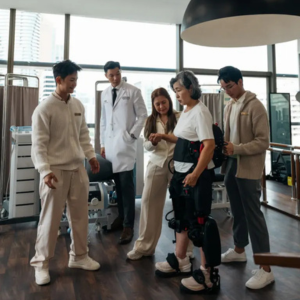
Overground Wearable Exoskeleton (Robotic Gait Training)
Overground Wearable Exoskeleton (Robotic Gait Training) at PYONG Rehabilitation Penthouse The Overground Wearable Exoskeleton is a robotic device desi
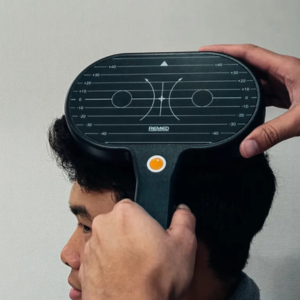
ဦးနှောက်ဖြတ်သန်း သံလိုက် လှုံ့ဆော်ကုထုံး (TMS)
PYONG Rehabilitation Penthouse တွင် Transcranial Magnetic Stimulation (TMS) TMS (Transcranial Magnetic Stimulation) သည် မတုန့်ပြန်မည့်အဖြစ် မဟုတ်သော n
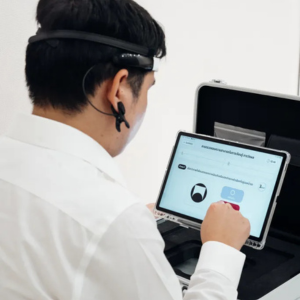
ဦးနှောက်လှိုင်း ခွဲခြမ်းစိတ်ဖြာခြင်းနှင့် လေ့ကျင့်ခြင်း
Brain Wave Analysis and Training at PYONG Rehabilitation Penthouse Brain Wave Analysis and Training is a brain rehabilitation approach that merges tec
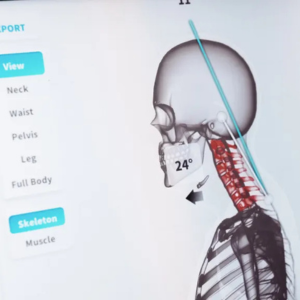
ခန္ဓာကိုယ်တစ်ခုလုံး ခွဲခြမ်းစိတ်ဖြာခြင်း
Full Body Analysis at PYONG Rehabilitation Penthouse At PYONG Rehabilitation Penthouse (11th Floor, Gaysorn Tower – BTS Chidlom), we offer Full Body A
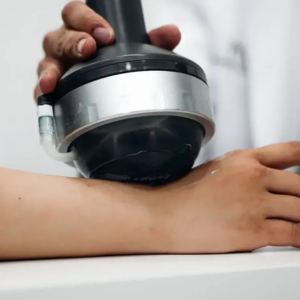
ပစ်မှတ်ထားသော ရှော့ခ်ဝေဗ် ကုထုံး
Focused Shockwave Therapy at PYONG Rehabilitation Clinic A New Alternative for Pain Relief and Tissue Regeneration At PYONG Rehabilitation Clinic, we