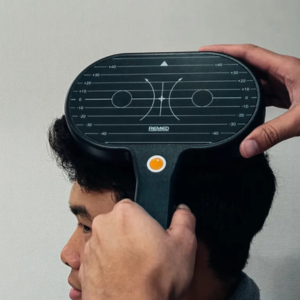
ဦးနှောက်ဖြတ်သန်း သံလိုက် လှုံ့ဆော်ကုထုံး (TMS)
ပြည့်စုံသောဝန်ဆောင်မှုအချက်အလက်နှင့်အသေးစိတ်
ဖော်ပြချက်
PYONG Rehabilitation Penthouse တွင် Transcranial Magnetic Stimulation (TMS)
TMS (Transcranial Magnetic Stimulation) သည် မတုန့်ပြန်မည့်အဖြစ် မဟုတ်သော neurostimulation နည်းပညာတစ်ခုဖြစ်ပြီး၊ အထူး coil တစ်ခုကို အသုံးပြုကာ magnetic pulses များကို ထုတ်လွှတ်၍ ဦးနှောက်၏ သတ်မှတ်ထားသော နေရာများတွင် low electrical current ကို ဖြစ်ပေါ်စေသည်။ ဤနည်းလမ်းသည် ခွဲစိတ်ရန် မလိုအပ်ဘဲ၊ anesthesia မလိုအပ်သလို၊ session တစ်ခါလျှင် အချိန်တိုတောင်းစွာသာ ကြာမြင့်သည်။ ဦးနှောက်နှင့် အာရုံကြောစနစ် လုပ်ဆောင်ချက်များကို ပြန်လည်ကောင်းမွန်စေလိုသူများအတွက် သင့်လျော်ပြီး၊ ဥပမာအားဖြင့် stroke ပြီးနောက်၊ Parkinson’s disease၊ cognitive impairment ရှိသူများနှင့် mood and sleep therapy လိုအပ်သူများအတွက် သင့်တော်သည်။ PYONG တွင် အဆင့်တိုင်းကို Rehabilitation Medicine specialist နှင့် multidisciplinary team မှ ဆောင်ရွက်ပြီး၊ stimulation location, frequency နှင့် personalized treatment plan ကို သင့်လျော်စွာ သတ်မှတ်ပေးသည်။
PYONG Rehabilitation Penthouse သည် 11th Floor of Gaysorn Tower (BTS Chidlom) တွင် တည်ရှိပြီး၊ ဘန်ကောက်မြို့အလယ်ဗဟိုတွင် အဆင်ပြေစွာ သွားလာနိုင်သည့်အပြင် comprehensive rehabilitation technology များလည်း ရရှိနိုင်သည်။
TMS ဆိုတာဘာလဲ?
TMS သည် short, repetitive magnetic pulses (repetitive TMS; rTMS) ကို အသုံးပြု၍ ဦးနှောက်အတွင်းရှိ movement, muscle control, mood, နှင့် cognition နှင့် ဆက်နွယ်သော neural circuits များ၏ activity ကို modulate လုပ်ပေးသည့် နည်းပညာဖြစ်သည်။ TMS stimulation ကို အသုံးပြုသည့် frequency နှင့် protocol ပေါ်မူတည်၍ target area ရှိ brain activity ကို တိုးမြှင့်ခြင်း (facilitation) သို့မဟုတ် လျော့ချခြင်း (inhibition) အတွက် ဒီဇိုင်းလုပ်နိုင်သည်။
TMS ၏ အဓိက အားသာချက်များမှာ non-surgical ဖြစ်ပြီး general anesthesia မလိုအပ်ခြင်းဖြစ်သည်။ အဖြစ်များသော side effects များမှာ scalp irritation သို့မဟုတ် headache အနည်းငယ်ဖြစ်ပြီး၊ အများအားဖြင့် over-the-counter pain medication ဖြင့် သက်သာစေသည်။ TMS safety standards များကို နိုင်ငံတကာကျွမ်းကျင်သူများက လမ်းညွှန်ထားပြီး၊ neurological disorders မျိုးစုံတွင် neural networks ပြန်လည်ကောင်းမွန်ရေးကို အထောက်အကူပြုရန် neurobehavioral နှင့် rehabilitation clinics များတွင် ကျယ်ပြန့်စွာ အသုံးပြုနေသည်။
PYONG Rehabilitation တွင် TMS ကို ဘာကြောင့် ရွေးချယ်သင့်သလဲ?
-
International Standard Technology: PYONG Rehabilitation ရှိ TMS machine သည် US FDA နှင့် European Union တို့မှ ခွင့်ပြုထားသော internationally standardized model ဖြစ်သည်။
-
Diverse Treatment Modes: ၎င်းတွင် ကုသမှုနည်းလမ်း ၃ မျိုး ပါဝင်သည်—1) Traditional Biphasic Pulse, 2) ကုသမှုအာနိသင် မြန်ဆန်စေရန် Theta Burst Stimulation (TBS), နှင့် 3) bilateral brain stimulation အတွက် Pair Stimulation (ပုံမှန် TMS တွင် များသောအားဖြင့် Biphasic Pulse တစ်မျိုးသာ ရှိသည်နှင့် နှိုင်းယှဉ်နိုင်သည်)။
-
High Power & Precision: PYONG Rehabilitation ရှိ TMS သည် magnetic strength 3 Tesla အထိ မြင့်မားပြီး၊ standard TMS ထက် ပိုနက်သော brain structures များသို့ ရောက်ရှိနိုင်သလို၊ frequency range ကျယ်ပြန့်စွာရှိ၍ maximum efficacy ရရှိရန် personalized treatment planning အတွက် သင့်လျော်သည်။
-
Physician-Led Care: Rehabilitation Medicine specialist သည် အဓိက ကြီးကြပ်သူဖြစ်ပြီး၊ treatment goals များကို အကဲဖြတ်ကာ neurological condition ကို တိကျစွာ ဖြေရှင်းနိုင်ရန် plan ကို သတ်မှတ်ပေးသည်။
-
Comprehensive Treatment Program: TMS ကို physical/occupational therapy, speech therapy, clinical psychology, နှင့် nutrition တို့နှင့် ပေါင်းစပ်ကာ holistic results ရရှိစေသည်။
-
Full-Spectrum Technology: comprehensive examination rooms နှင့် modern equipment များပါဝင်ပြီး၊ international safety guidelines များကို လိုက်နာထားသည်။
-
Convenient Central Location: Gaysorn Tower, 11th Floor (BTS Chidlom) တွင် တည်ရှိ၍ လူနာများနှင့် caregiver များအတွက် အဆင်ပြေသည်။
-
Personalized Plan: တိုးတက်မှုကို ပုံမှန်စောင့်ကြည့်ပြီး၊ လူနာ၏ တုံ့ပြန်မှုအပေါ်မူတည်၍ treatment plan/frequency ကို ချိန်ညှိပေးသည်။
TMS သည် မည်သို့ အလုပ်လုပ်သနည်း?
TMS ၏ အခြေခံသဘောတရားမှာ scalp ပေါ်တွင် ထားရှိထားသော coil မှတစ်ဆင့် magnetic pulses များကို ထုတ်လွှတ်ခြင်းဖြစ်သည်။ ထို magnetic pulse သည် cerebral cortex အတွင်း low-level electrical current အဖြစ် ပြောင်းလဲကာ၊ neurons များကို “new learning” (neuroplasticity) အဖြစ် ဆောင်ရွက်စေပြီး ဦးနှောက်ဆဲလ်များကြားရှိ ဆက်သွယ်မှုအား (synaptic plasticity) ကို ချိန်ညှိပေးသည်။
အဆင့်များ အကျဉ်းချုပ်:
-
Physician Assessment: သမိုင်းကြောင်းမေးမြန်းခြင်း၊ neurological exam၊ readiness test၊ contraindications/precautions များကို စိစစ်ခြင်း၊ နှင့် target brain area ကို ရွေးချယ်ခြင်း။
-
Parameter Setting: သင့်လျော်သော energy level ကို သတ်မှတ်ရန် Motor Threshold ကို တိုင်းတာခြင်း၊ frequency/number of pulses/number of blocks ကို သတ်မှတ်ခြင်း။
-
Procedure: ကုသမှုအတွင်း client သည် သက်သောင့်သက်သာ ထိုင်နေပြီး၊ scalp ပေါ်တွင် အနည်းငယ် တင်းကျပ်သလို ခံစားနိုင်ပြီး၊ session သည် ခန့်မှန်းခြေ 20–40 minutes ကြာမြင့်သည်။
-
Follow-up: လက္ခဏာများကို အကဲဖြတ်ပြီး၊ physician က client ၏ တုံ့ပြန်မှုအပေါ်မူတည်၍ treatment plan ကို အပတ်စဉ် ချိန်ညှိပေးသည်။
Clients များတွင် downtime မလိုအပ်ဘဲ ချက်ချင်း ပုံမှန်လုပ်ဆောင်မှုများကို ပြန်လည်လုပ်ဆောင်နိုင်သည်။
TMS အတွက် သင့်လျော်သော အခြေအနေများ
-
Stroke ပြီးနောက် လှုပ်ရှားနိုင်စွမ်း ပြန်လည်ကောင်းမွန်ရေး။
-
Parkinson’s disease တွင် spasticity လျော့ချခြင်း / motor networks များကို modulate လုပ်ခြင်း။
-
Cognitive Impairment/Alzheimer’s တွင် cognitive function ကို ထောက်ပံ့ခြင်း။
-
Major Depressive Disorder (MDD) ကဲ့သို့သော mood disorders များ (နိုင်ငံများစွာတွင် ခွင့်ပြုထားသည်)။
-
အချို့သော anxiety အမျိုးအစားများ။
-
အချို့သော sleep problems များ။
-
Chronic pain/neuropathic pain။
-
rehabilitation medicine အခြေအနေတွင် Traumatic Brain Injury (TBI) ပြီးနောက်။
-
intensive rehabilitation program နှင့်အတူ brain performance နှင့် balance ကို မြှင့်တင်လိုသော သက်ကြီးရွယ်အိုများ။
-
ဦးနှောက် network များကို neuromodulation လုပ်ရန် လိုအပ်သည်ဟု physician က သတ်မှတ်သော အထူးကိစ္စများ။
TMS အပေါ် ပညာရပ်ဆိုင်ရာ အထောက်အထားများ
-
Safety and Standards: ကျွမ်းကျင်သူများ၏ နိုင်ငံတကာ လမ်းညွှန်ချက်များ (IFCN) သည် TMS ကို တာဝန်ယူအသုံးပြုနိုင်ရန် safety, protocols, training တို့အတွက် အကြံပြုချက်များ ပေးထားပြီး၊ procedure မတိုင်မီ seizure history နှင့် implanted devices ရှိမရှိ စစ်ဆေးခြင်းကဲ့သို့သော အန္တရာယ်များကို လျော့ချရန် ကူညီသည်။ (PubMed, ScienceDirect)
-
Stroke/Movement: Meta-Analyses များစွာအရ rTMS သည် သင့်လျော်သော နေရာနှင့် frequency ကို ရွေးချယ်ပါက လက်နှင့်လက်မောင်း လုပ်ဆောင်ချက်နှင့် အလုံးစုံ motor function ကို တိုးတက်စေနိုင်ကြောင်း ဖော်ပြထားပြီး၊ physical therapy နှင့် ပေါင်းစပ်အသုံးပြုသည့် recovery phase တွင် အကျိုးရှိသည့် လားရာကို တွေ့ရသည်။ (PubMed, BioMed Central)
-
Parkinson’s Disease: မကြာသေးမီ Meta-Analyses များအရ Supplementary Motor Area (SMA) ပေါ်တွင် high-frequency TMS အသုံးပြုခြင်းသည် အချို့ motor symptoms/gait များအတွက် အထောက်အကူပြုနိုင်ခြေရှိသော်လည်း၊ evidence quality ကွာခြားမှုရှိသည်။ (Lippincott Journals, Nature, PMC)
-
Alzheimer’s/Cognition: သုတေသနများအရ rTMS ကို occupational therapy နှင့် cognitive training တို့နှင့် ပေါင်းစပ်အသုံးပြုပါက cognition ၏ အချို့သော ရှုထောင့်များကို တိုးတက်စေနိုင်ကြောင်း ဖော်ပြထားသည်။ (PubMed, Frontiers)
-
Mood/Anxiety: TMS ကို နိုင်ငံများစွာတွင် MDD ကုသရန် marketing ခွင့်ပြုချက်ရရှိထားပြီး၊ US တွင် OCD အတွက်လည်း ခွင့်ပြုထားသည်။ (U.S. Food and Drug Administration, PMC, Oxford Academic)
မှတ်ချက်: ရလဒ်များသည် diagnosis, stimulation site, frequency, number of sessions, နှင့် အခြား rehabilitation programs များနှင့် ပေါင်းစပ်မှုအပေါ် မူတည်၍ ကွာခြားနိုင်သည်။
အကြံပြုထားသော TMS Frequency
Frequency သည် treatment objective နှင့် condition ပေါ်မူတည်ပြီး၊ ပုံမှန်အားဖြင့် 2–5 sessions/week ကို 2–6 weeks ကြာ စီစဉ်ပြီး၊ ထို့နောက် နောက် protocol ကို ချိန်ညှိရန် assessment ပြုလုပ်သည်။ ဥပမာများမှာ:
-
Neurorehabilitation (Stroke/Parkinson’s): လက်တွေ့ဘဝ skill practice ကို ပိုမိုခိုင်မာစေရန် physical/occupational therapy နှင့်အတူ မကြာခဏ စီစဉ်ထားသည်။
-
Mood/Anxiety/Sleep: အစတွင် moderate, consistent frequency ဖြင့် သတ်မှတ်နိုင်ပြီး၊ response ပေါ်မူတည်၍ ချိန်ညှိသည်။
PYONG Rehabilitation တွင် case တစ်ခုချင်းစီကို Rehabilitation Medicine physician ၏ assessment ဖြင့် စတင်ကာ၊ သက်ဆိုင်ရာ pulse အရေအတွက်၊ frequency, target location, နှင့် အခြား rehabilitation programs များနှင့် ပေါင်းစပ်အသုံးပြုမှုတို့ကို လူနာတစ်ဦးချင်းစီအတွက် သတ်မှတ်ပေးသည်။
ရလဒ်များကို မည်သည့်အချိန်တွင် မျှော်လင့်နိုင်သလဲ
အချို့ clients များသည် ပထမဆုံး 1–2 weeks အတွင်း sleep quality/muscle tone/focus တိုးတက်လာခြင်းကဲ့သို့ သေးငယ်သော ပြောင်းလဲမှုများကို ခံစားရနိုင်သည်။ သို့သော် motor သို့မဟုတ် cognitive development ရည်မှန်းချက်များကို ရရှိရန်အတွက် ပုံမှန်အားဖြင့် rehabilitation training (ဥပမာ- physical/occupational therapy) နှင့် ပေါင်းစပ်ထားသော continuous repetition အပတ်များစွာ လိုအပ်ပြီး၊ ရေရှည်တည်တံ့သော brain learning (neuroplasticity) ကို ရရှိစေသည်။
ပထမ course ပြီးဆုံးပြီးနောက် physician သည် ရလဒ်များကို အကဲဖြတ်ကာ လိုအပ်သလို နောက် course ကို စီစဉ်ပေးမည်ဖြစ်သည်။ ရလဒ်များသည် တစ်ဦးချင်းအလိုက် ကွာခြားပြီး၊ အသက်အရွယ်၊ onset မှ အချိန်ကြာမြင့်မှု၊ severity, complications, နှင့် မိသားစု/caregiver involvement ပေါ် မူတည်သည်။
Contraindications and Precautions
TMS သည် အတွေ့အကြုံရှိသော team မှ standard guidelines အတိုင်း ဆောင်ရွက်ပါက ဘေးကင်းသည်ဟု သတ်မှတ်သည်။ အဖြစ်များသော side effects များမှာ temporary headache/scalp tension ဖြစ်သည်။ seizure ဖြစ်စေခြင်း၏ အန္တရာယ်သည် risk factors မရှိသူများတွင် အလွန်နည်းပါးပြီး၊ သင့်လျော်သော screening ဖြင့် ပိုမိုလျော့ချနိုင်သည်။ Key contraindications များမှာ:
-
stimulation area အနီးတွင် pacemaker, neurostimulator/nerve stimulator, cochlear implant, သို့မဟုတ် metal/implanted devices in the skull ရှိသူများ။
-
Uncontrolled epilepsy, pregnancy (case-by-case consideration), acute infection/fever, uncontrolled high blood pressure.
မည်သည့် case မဆို စတင်မီ medical history review နှင့် international guidelines အတိုင်း safety screening ကို ပြုလုပ်ပြီး၊ procedure အတွင်းနှင့် ပြီးနောက် side effects များကို နီးကပ်စွာ စောင့်ကြည့်သည်။ (PubMed, PMC)
ကုန်ကျစရိတ်
TMS ၏ ကုန်ကျစရိတ်မှာ ရွေးချယ်သော package ပေါ်မူတည်၍ 6,000–8,000 Baht/session (THB) ဖြစ်သည်။ intensive rehabilitation program တွင် ပါဝင်နေသော clients များအတွက် TMS ကို program အတွင်း multidisciplinary team ၏ training နှင့် ပေါင်းစပ်နိုင်သည်။ အမှန်တကယ် စျေးနှုန်းသည် Rehabilitation Medicine physician ၏ assessment နှင့် လူတစ်ဦးချင်းစီ၏ သီးခြား treatment goals များပေါ် မူတည်သည်။
Frequently Asked Questions (FAQ) — 5 Questions
1) Is TMS painful?
အများအားဖြင့် scalp ပေါ်တွင် twitching/tapping sensation သို့မဟုတ် pulse ၏ အသံကို ခံစားရမည်ဖြစ်သည်။ anesthesia မလိုအပ်ပါ။ သေးငယ်သော headache များကို သာမန် pain medication ဖြင့် သက်သာစေနိုင်သည်။
2) How many sessions are needed to see results?
ယေဘုယျအားဖြင့် 2–5 sessions/week ကို 2–6 weeks ကြာ ပြုလုပ်ပြီးနောက် assessment ပြုလုပ်သည်။ အဖြေသည် disease နှင့် individual response ပေါ် မူတည်သည်။
3) How safe is it? Is there a risk of seizure?
အန္တရာယ်ကို လျော့ချရန် clear screening guidelines များရှိသည်။ predisposing factors မရှိသူများတွင် seizure အန္တရာယ်သည် အလွန်နည်းပါးပြီး၊ medical team က နီးကပ်စွာ စောင့်ကြည့်သည်။ (PubMed)
4) Can TMS be used for depression/OCD?
နိုင်ငံများစွာတွင် TMS သည် Major Depressive Disorder (MDD) အတွက် ခွင့်ပြုထားပြီး၊ US တွင် OCD အတွက်လည်း သီးခြား indications များအောက်တွင် ခွင့်ပြုထားသည်။ (U.S. Food and Drug Administration)
5) Can it be used with other rehabilitation treatments?
ဟုတ်သည်၊ brain learning နှင့် ရေရှည်တည်တံ့သော ရလဒ်များကို မြှင့်တင်ရန် physical/occupational therapy, cognitive training, နှင့် psychological care တို့နှင့် ပေါင်းစပ်အသုံးပြုရန် အကြံပြုထားသည်။
PYONG Rehabilitation Clinic နှင့် PYONG Rehabilitation Penthouse ကဲ့သို့သော ကျွမ်းကျင်သော specialized physicians များက ကြီးကြပ်သည့် pain နှင့် neurological disorders ဆိုင်ရာ clinic ကို ရွေးချယ်ခြင်းသည် လူနာများအား ခေတ်မီနည်းပညာဖြင့် ထိရောက်ပြီး ဘေးကင်းသော care ရရှိစေသည်။ ၎င်းသည် လူနာများ ပြန်လည်ကောင်းမွန်ပြီး ပိုမိုကောင်းမွန်သော quality of life ကို အမြန်ဆုံး ပြန်လည်ရရှိရန် အခွင့်အလမ်းကို မြှင့်တင်ပေးသည်။ စိတ်ဝင်စားပါက ကျွန်ုပ်တို့ထံ ဆက်သွယ်နိုင်ပါသည်။
အနှစ်ချုပ်
အပါအဝင်များ
- အစောပိုင်းအကြံပေးခြင်း
- ကုသမှုလုပ်ငန်းစဉ်
- နောက်ဆက်တွဲစောင့်ရှောက်မှု
- ဆေးဘက်ဆိုင်ရာအစီရင်ခံစာ
စျေးနှုန်း
စျေးနှုန်းအတွက် ဆက်သွယ်ပါ
နောက်ဆုံးစျေးနှုန်းသည် သင့်လိုအပ်ချက်အပေါ်မူတည်ပါသည်
Tags
ကျွန်ုပ်တို့ကို ဆက်သွယ်ပါ
ဤချန်နယ်များမှတဆင့် ဆက်သွယ်ပါ:
ပေးသွင်းသူအချက်အလက်
PYONG ပြန်လည်ထူကြပ်ရေးအဖွဲ့
Bangkok, Thailand
AP-PRP (Activated Purified Platelet-Rich Plasma) နှင့် Prolotherapy
AP-PRP ဆိုတာ ဘာလဲ? AP-PRP (Activated Purified Platelet-Rich Plasma) သည် လူနာ၏ ကိုယ်ပိုင် သွေးအတွင်းရှိ Growth Factors (platelets) ကြွယ်ဝသော အာရုံစူးစိ
Overground Wearable Exoskeleton (Robotic Gait Training)
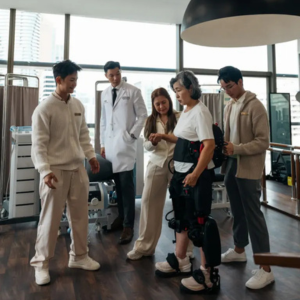
Overground Wearable Exoskeleton (Robotic Gait Training) at PYONG Rehabilitation Penthouse The Overground Wearable Exoskeleton is a robotic device desi
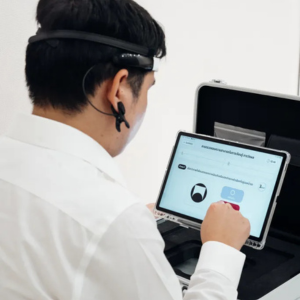
ဦးနှောက်လှိုင်း ခွဲခြမ်းစိတ်ဖြာခြင်းနှင့် လေ့ကျင့်ခြင်း
Brain Wave Analysis and Training at PYONG Rehabilitation Penthouse Brain Wave Analysis and Training is a brain rehabilitation approach that merges tec
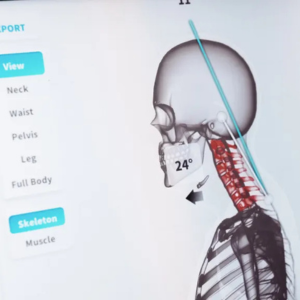
ခန္ဓာကိုယ်တစ်ခုလုံး ခွဲခြမ်းစိတ်ဖြာခြင်း
Full Body Analysis at PYONG Rehabilitation Penthouse At PYONG Rehabilitation Penthouse (11th Floor, Gaysorn Tower – BTS Chidlom), we offer Full Body A
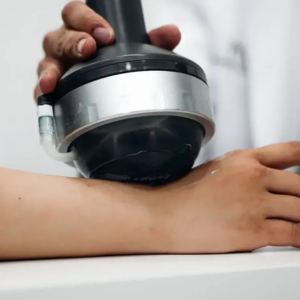
ပစ်မှတ်ထားသော ရှော့ခ်ဝေဗ် ကုထုံး
Focused Shockwave Therapy at PYONG Rehabilitation Clinic A New Alternative for Pain Relief and Tissue Regeneration At PYONG Rehabilitation Clinic, we
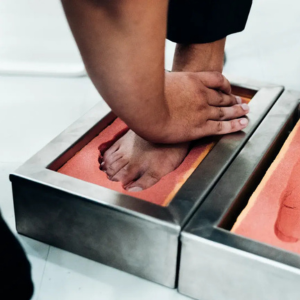
စိတ်ကြိုက် ပြုလုပ်ထားသော ဖိနပ်အတွင်းခံပြား
PYONG Rehabilitation တွင် Customized Insole Customized Insoles ဆိုတာ ဘာလဲ? Customized Insoles သည် လူတစ်ဦးချင်းစီ၏ ခြေဖဝါးပုံသဏ္ဌာန်နှင့် ခန္ဓာဗေဒဆိုင်