Preimplantation Genetic Testing (PGT)
完全なサービス情報と詳細
説明
Preimplantation Genetic Testing (PGT) is a genetic analysis procedure used in conjunction with IVF.
This technology is developed to screen embryos for genetic abnormalities such as chromosome copy number gains or losses (PGT-A, aneuploidy screening), single gene disorders (PGT-M, monogenic or single-gene disease), or structural rearrangement (PGT-SR, structural rearrangement to identify embryos with chromosome imbalanced). Preimplantation Genetic Testing (PGT) helps identify embryos unaffected by genetic or chromosomal defects, which give us a higher chance for a successful pregnancy outcome.
PGT-A
PGT-A was previously known as preimplantation genetic screening (PGS) and can be used by individuals undergoing IVF/ICSI to improve the chances of a healthy pregnancy. Fifty percent or more of human embryos have an incorrect number of chromosomes (“Aneuploidy”) and older women are more likely to have eggs with an extra or missing chromosome. Embryos with an abnormal number of chromosomes usually end up in miscarriage or result in a baby with a disease such as Down’s Syndrome. PGT-A can help screening aneuploidy embryos in order to increase the chances of a successful pregnancy.
PGT-M
PGT-M was previously known as preimplantation genetic diagnosis (PGD). It is designed for patients who know they have a high risk of passing on a disease caused by single-gene mutation (“monogenic”) to their children. PGT-M can be performed for any single gene disorder, where the causative mutation has been identified. PGT-M greatly reduces the risk of giving birth of an affected child. PGT-M is performed on embryos created through IVF/ICSI. Aneuploidy screening is performing concurrently during PGT-M analysis.
PGT-SR (Structural Rearrangement)
Reciprocal chromosome translocation is form of chromosomal abnormality that occurs when a region from two or more chromosomes switched without adding or loosing genetic materials. Chromosome translocation carriers can produce unbalanced gametes that resulted in unbalanced embryos. PGT-SR is carried out to reduce miscarriage rate due to unbalanced chromosomes and increase the chance of successful pregnancy of euploid embryos.
Process
PGT-A
When the embryos created through an IVF/ICSI procedure have reached the blastocyst stage (day 5/6) it has grown to over 100 cells. About half of their cells will become the baby (called inner cell mass cells) and the other half will become the placenta (called trophectoderm cells). To analyze the genetic make-up of the embryos, a few cells are delicately removed (biopsy) from the trophectoderm layer (these cells will form the placenta). Biopsy does not harm the cells that will form the baby and the removal of small amount of cells for the analysis does not affect the development of the embryos. DNA is extracted from these cells, amplified and used for the analysis. We used Next Generation Sequencing (NGS), the most advanced technology based on the sequencing of the genome, to analyze genome component of the embryos. NGS- based PGT can examine all 24 types of chromosomes comprising of 22 autosome and 2 types of sex chromosome (X and Y). Chromosomally normal embryos are identified and selected for a transfer.
PGT-M
1.Case review
We will review your genetic testing records. Additional testing may be required to ensure that the specific condition can be tested for in your embryos.
2. Consultation with our team. If the case is accepted, our genetic counselor will guide you through the benefits and limitations of PGT-M testing specific to your condition. Parental saliva samples are collected to set up the testing process and additional relative’s samples may be requested.
3. IVF
Our doctor will notify you when the test set-up is complete to begin your IVF/ICSI cycle. Embryos are produced.
4. Embryo culture and embryo biopsy
Your embryos are grown under controlled conditions until they reach the blastocyst state at day 5 or day 6 of development. A few cells from the trophectoderm layer, that will become the placenta, are removed by an experienced embryologist. Embryos are frozen for future transfer.
5. Genetic Testing
The Genetic material of each embryo is analyzed for the specific mutation(s) by SNPs linkage analysis and chromosome copy numbers of the embryos are determined by NGS technologies.
6. Transfer of the embryo
Unaffected embryos will be selected by the doctor for a transfer in the subsequent cycle.
Advantages of PGT-A
• Increase chances of a successful, healthy pregnancy
• Reduce the time to get pregnant
• Higher success rate, may help reduce additional costs of an extra IVF cycle
• Reduce risk of failed implantation
• Reduce risk of miscarriage
Recommended for
PGT-A is recommended for
• Women who are over 35 years old
• Women who have had repeated failed IVF/ICSI cycles
• Women who have had repeated miscarriages
• A family with a history of chromosome abnormalities
PGT-M is recommended for a couple known to be carrier for, or had a child affected with:
• Autosomal recessive condition (e.g. alpha-thalassemia, beta-thalassemia)
• Autosomal dominant condition (e.g. achondrophasia)
• X-linked monogenic (e.g. Duchene/Becker muscular dystrophy, color blindness)
At Jetanin
All our laboratory processes conform to ISO 15189.
We incorporate double-witnessing in all testing steps to ensure the correctness of the results.
As part of the Quality Assurance program, we participate in External Quality Assessment annually with Genomic quality assessment (GENQA) from UK and the European Molecular Quality Network (EMQN)
概要
含まれるもの
- 初回相談
- 治療手順
- フォローアップケア
- 医療報告書
価格
価格についてはお問い合わせください
最終価格はお客様の具体的な要件によります
Tags
お問い合わせ
以下のいずれかの方法でご連絡ください:

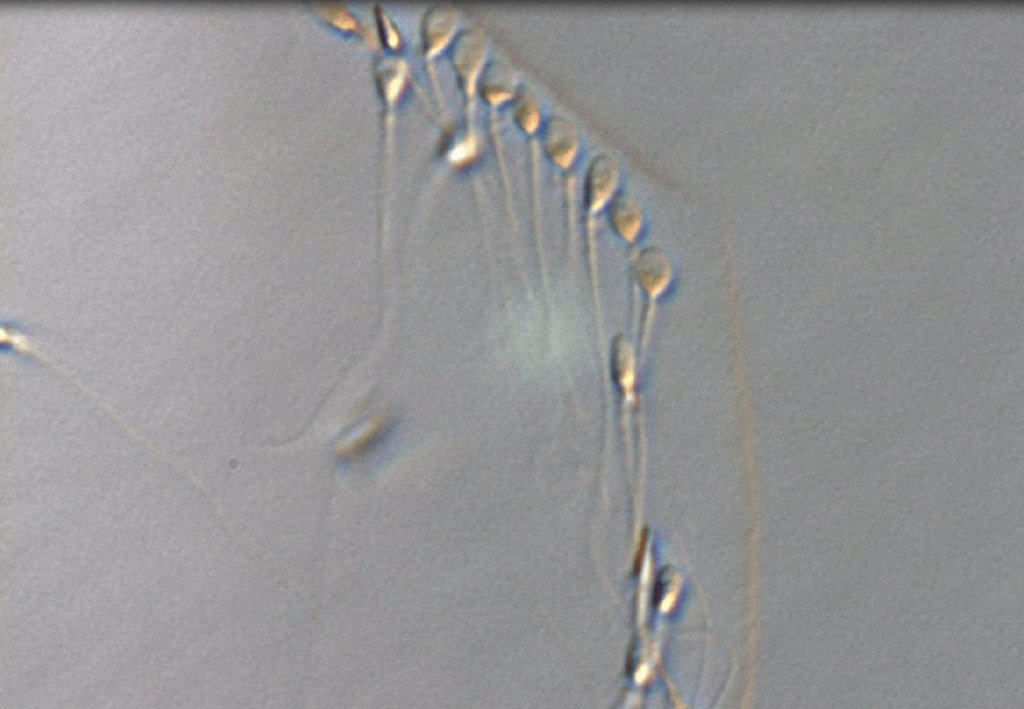
IMSI
IMSI (Intracytoplasmic Morphologically Selected Sperm Injection) is used to select sperm before fertilizing eggs. Embryologist will use microscopes wi
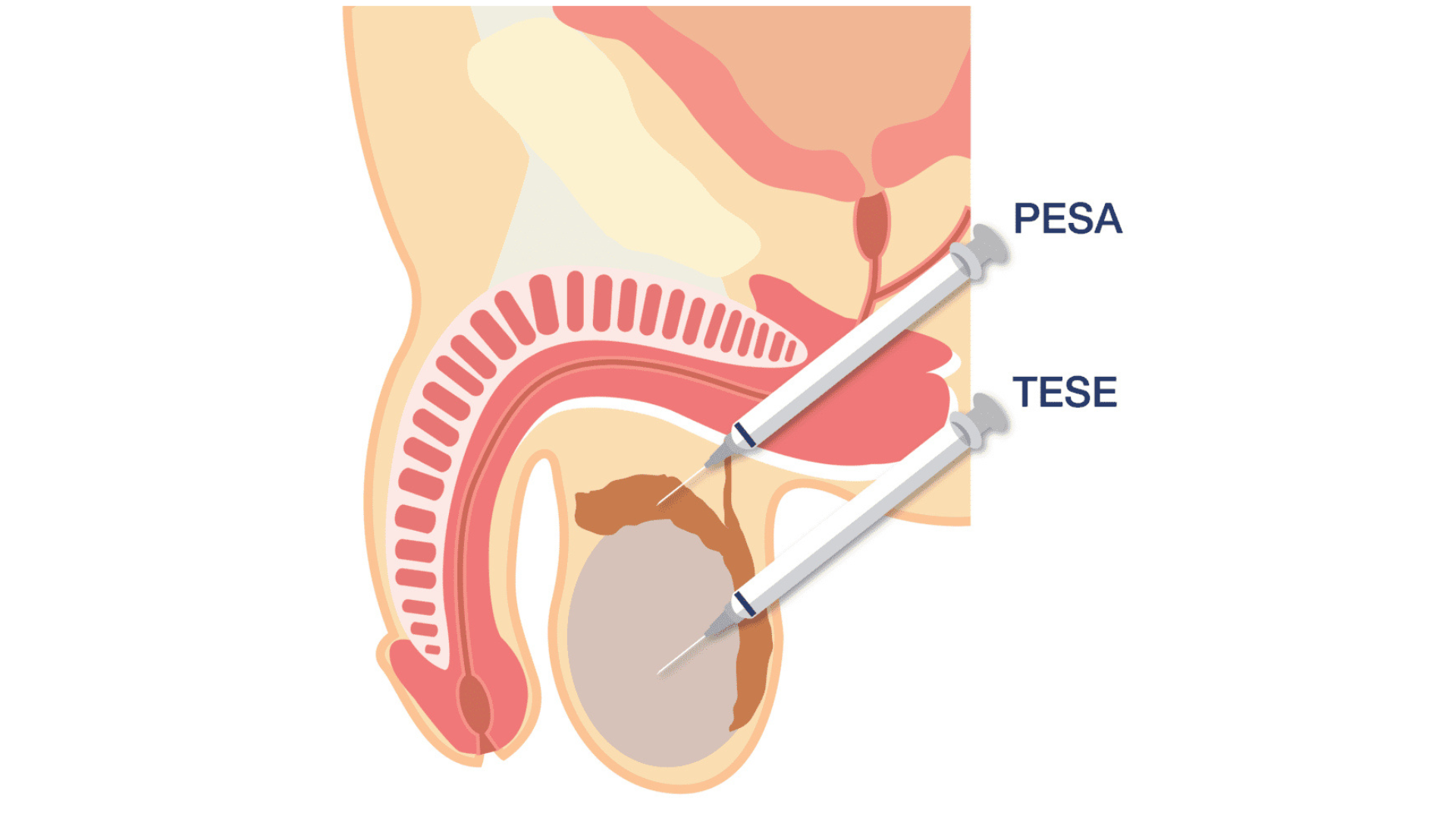
PESA/TESE
PESA/TESE can be used in cases involving male sterility with an absence of sperm in semen. Possible causes are from occlusion of the vas deferens, con
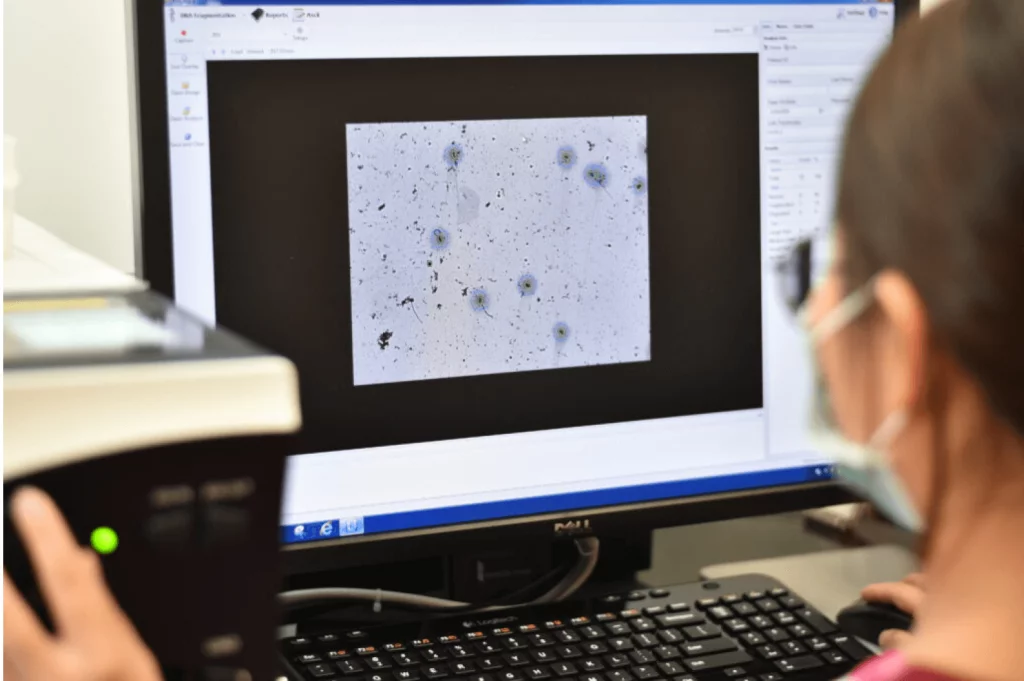
Sperm DNA Fragmentation
To assess quality of sperm DNA by sperm chromatin dispersion technique using Halosperm G2 test kit from Spain. Process When sperm with complete DNA un
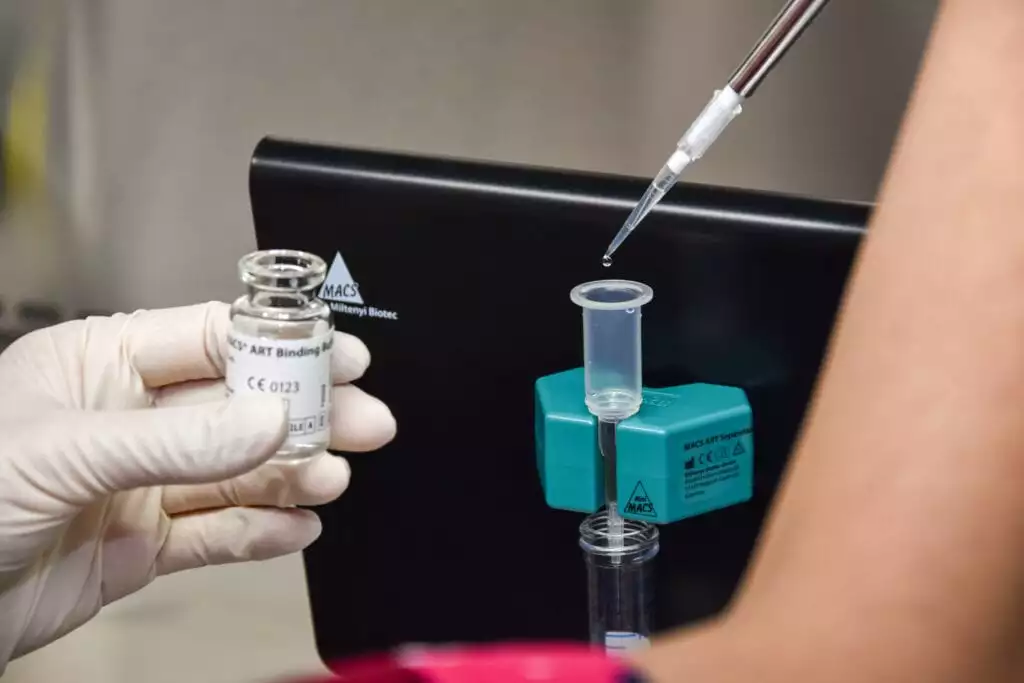
MACs sperm selection
New techniques for sperm selection in fertility treatment. Using the principle of separating sperm that is undergoing apoptosis process (programmed ce
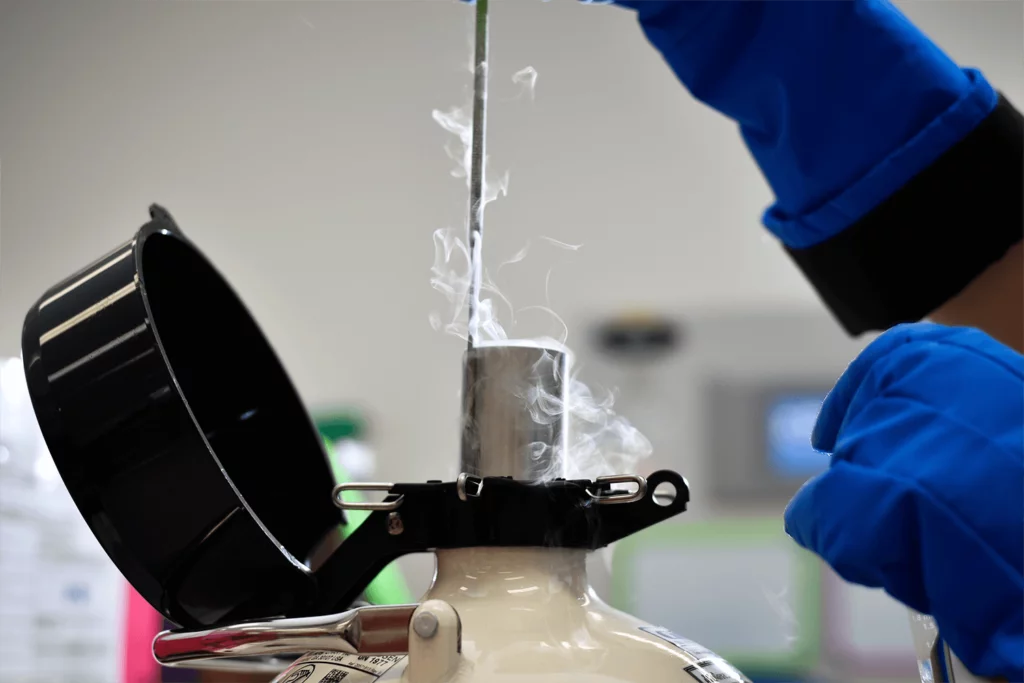
Sperm Freezing
A technique for storing sperm at freezing temperature at –196 degree Celsius. Sperm can be stored for long by dehydrating cells to reduce ice crystal
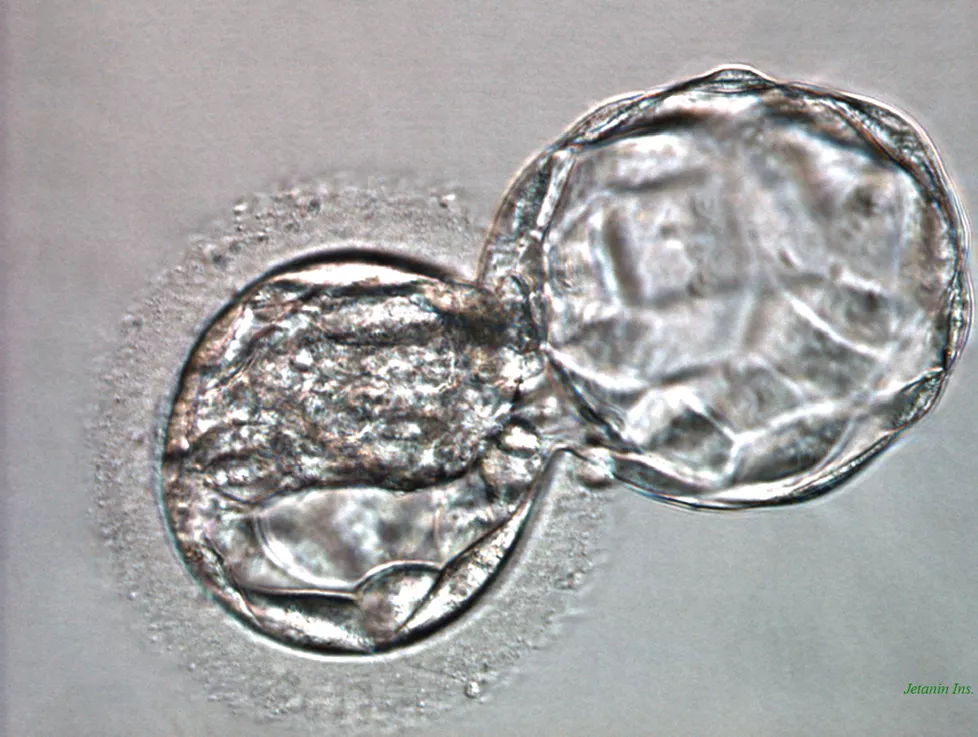
Blastocyst Culture
Blastocyst culture is the process of culturing embryos to the blastocyst stage outside the human body. Once fertilization occurs, an embryo is formed.