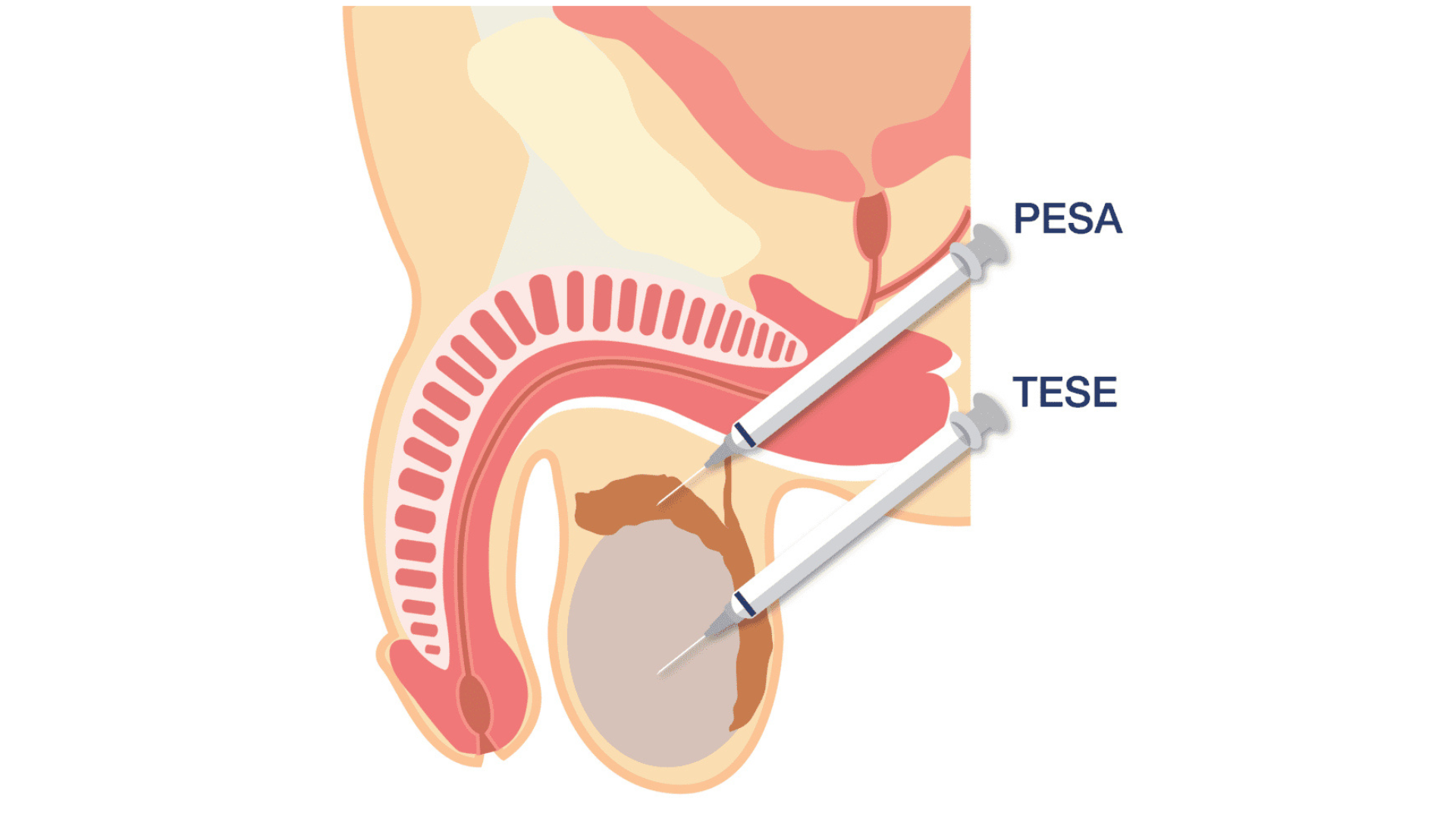
PESA/TESE
Complete service information and details
Description
PESA/TESE can be used in cases involving male sterility with an absence of sperm in semen.
Possible causes are from occlusion of the vas deferens, congenital absence of the vas deferens, problems with ejaculation, previous testicular inflammation due to mumps virus.
Persons with the mentioned problems are unable to have children, except by using donated sperm. With highly advanced technology, we can help men with these problems to have children by perform percutaneous epididymal sperm aspiration (PESA) or testicular epididymal sperm extraction (TESE) to obtain sperm directly from testis for ICSI
Process
PESA is the method of aspiration using small needle piercing through skin onto epididymis to extract sperm.
TESE is performed to obtain small piece(s) of testicular tissue and using microscope to find sperm in the testicular tissue.
After acquiring viable sperm, sperm will be used to fertilize egg by using a micromanipulator by ICSI (Intracytoplasmic Sperm Injection) technique.
Overview
What's Included
- Initial Consultation
- Treatment Procedure
- Follow-up Care
- Medical Report
Pricing
Contact for pricing
Final price depends on your specific requirements
Tags
Contact Us
Reach out through any of these channels:
Provider Information

Jetanin Hospital
Bangkok, Thailand

Embryoscope
Embryoscope is a special incubator equipped with an internal imaging system using Time-Lapse system technology combined with software development so t
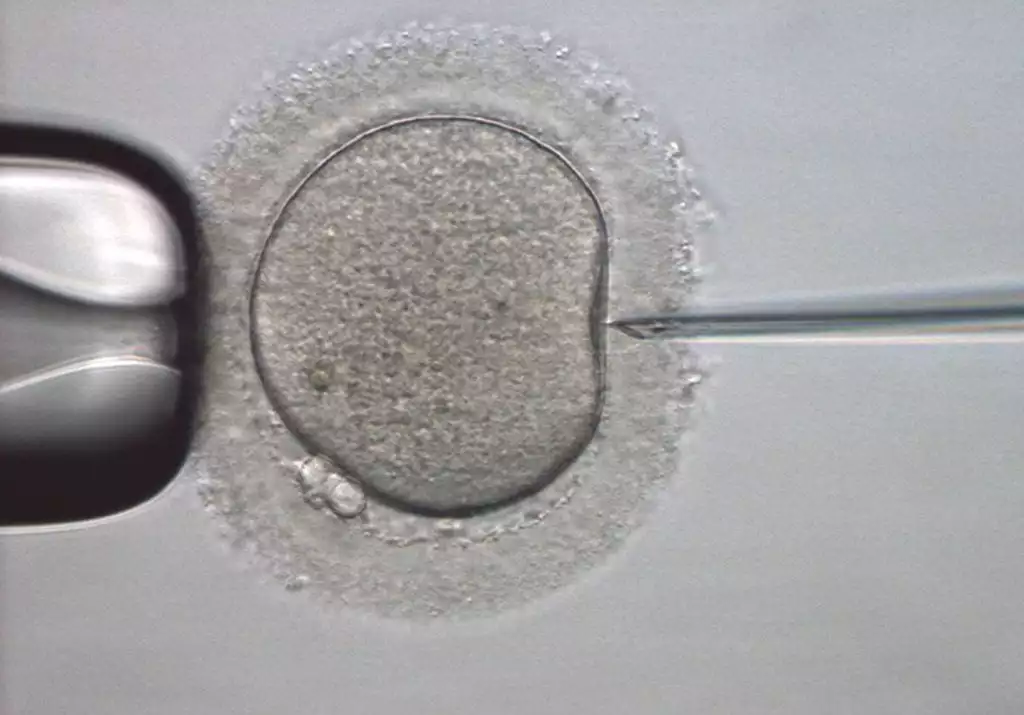
IVF/ICSI
IVF/ICSI, is a method of fertilization that takes place outside the body and in a laboratory dish. The key difference between IVF and ICSI is how the

Semen Analysis
An analysis of the quality and quantity of sperm according to WHO (World Health Organisation) criteria. Process Tests include volume, pH, viscosity, a
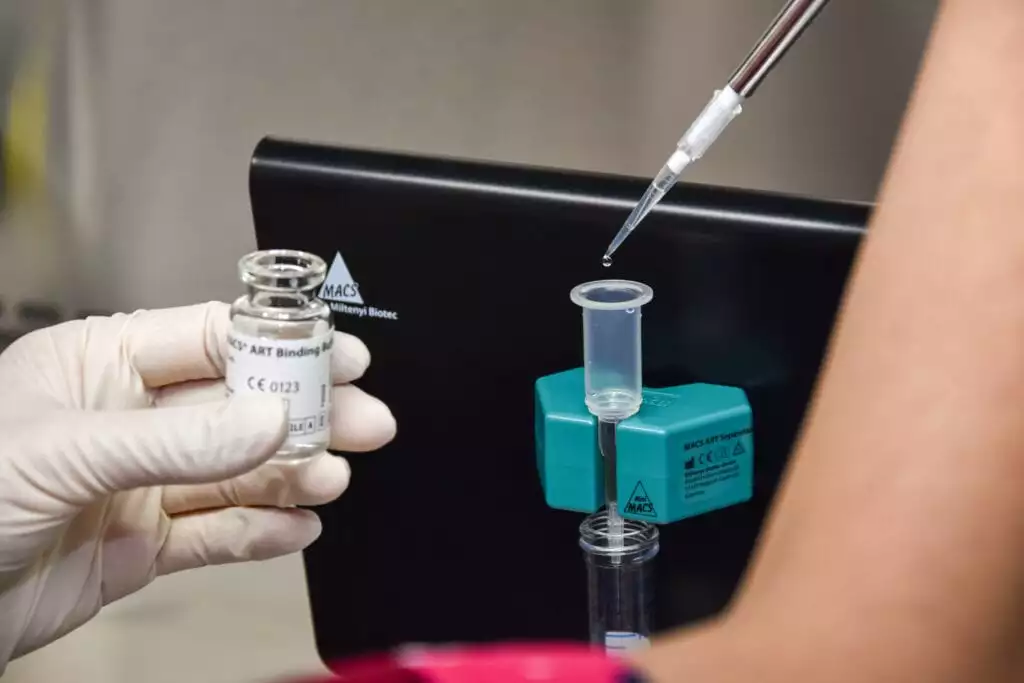
MACs sperm selection
New techniques for sperm selection in fertility treatment. Using the principle of separating sperm that is undergoing apoptosis process (programmed ce
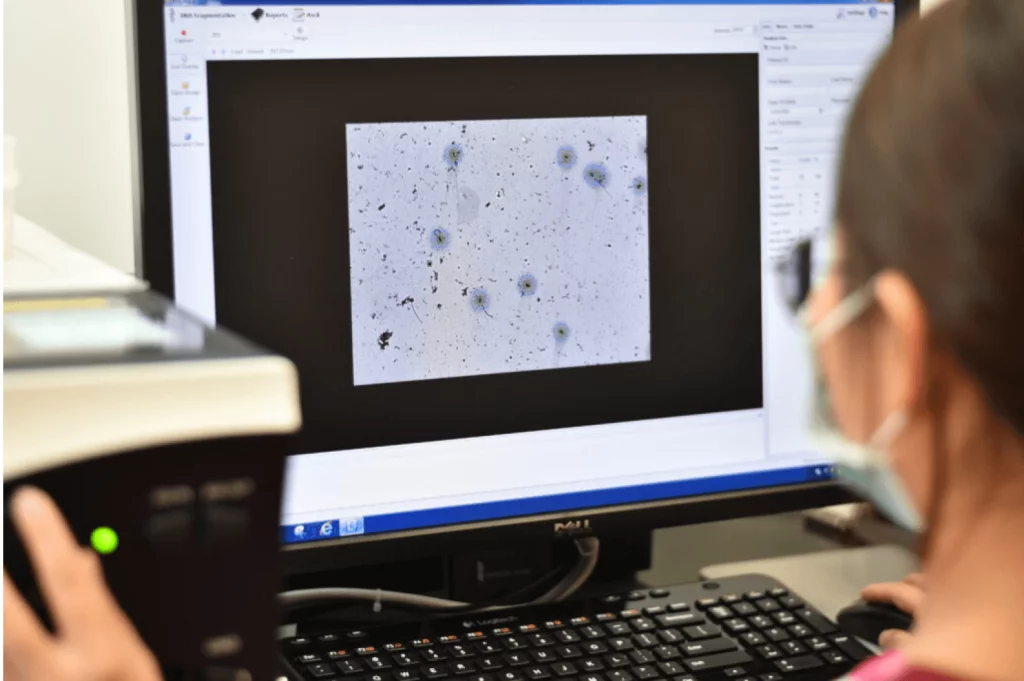
Sperm DNA Fragmentation
To assess quality of sperm DNA by sperm chromatin dispersion technique using Halosperm G2 test kit from Spain. Process When sperm with complete DNA un

Preimplantation Genetic Testing (PGT)
Preimplantation Genetic Testing (PGT) is a genetic analysis procedure used in conjunction with IVF. This technology is developed to screen embryos for