Warning! Stress from Political News Can Harm Your Health
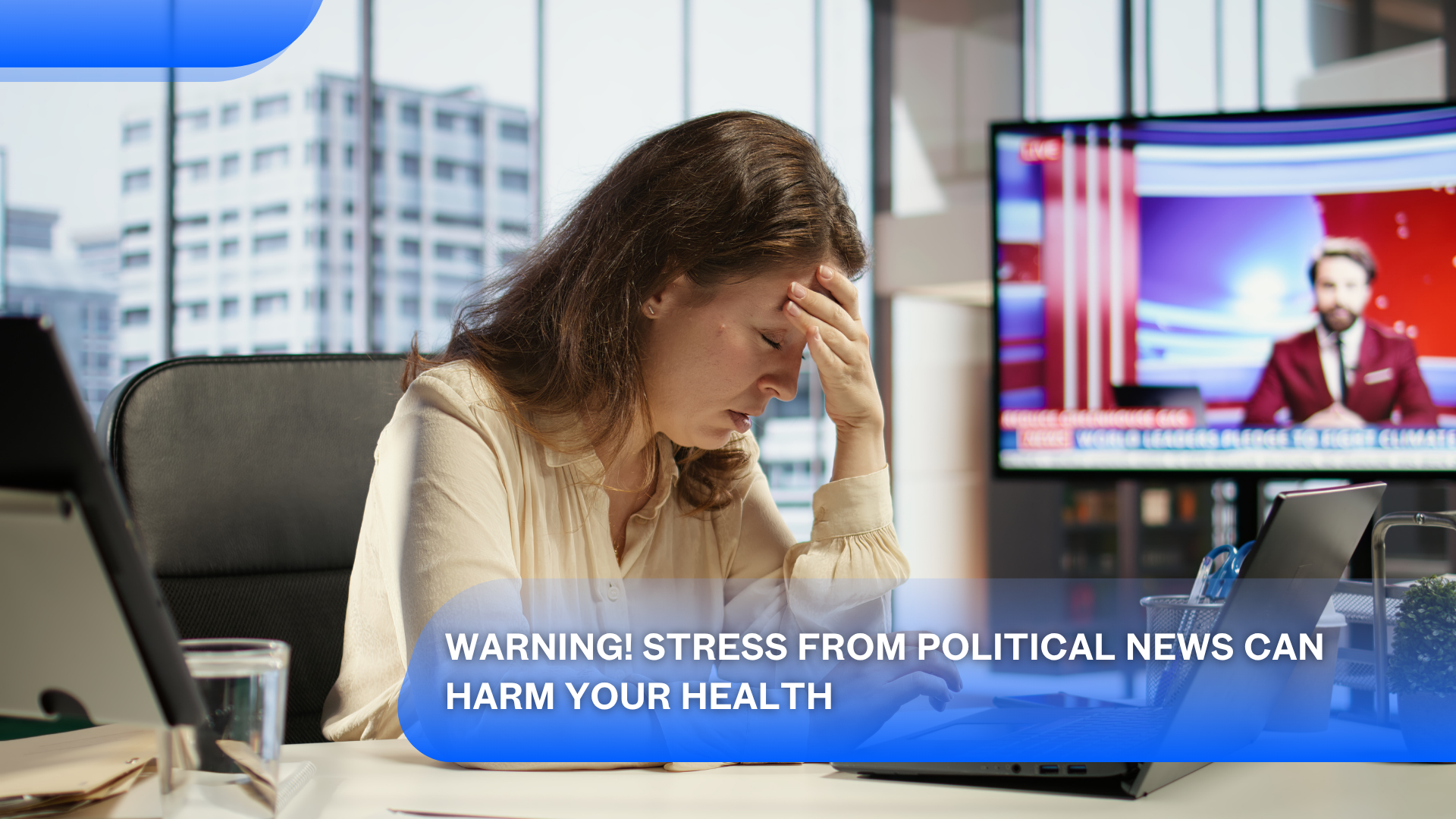
On June 19, the Department of Mental Health under the Ministry of Public Health issued a warning about the health risks associated with stress from consuming political news. The agency noted that fast-moving developments in international relations and domestic politics, along with sharply divided public opinions, have led many people to experience what's referred to as Political Stress Syndrome (PSS). While not a formal psychiatric disorder, PSS is an emotional and psychological reaction to political events—especially among individuals who closely follow political news or strongly align with a particular side. This can lead to physical symptoms, mental distress, and strained relationships.
Department of Mental Health Recommends 5 Coping Strategies
On June 19, the Department of Mental Health under the Ministry of Public Health issued a warning about the health risks associated with stress from consuming political news. The agency noted that fast-moving developments in international relations and domestic politics, along with sharply divided public opinions, have led many people to experience what's referred to as Political Stress Syndrome (PSS). While not a formal psychiatric disorder, PSS is an emotional and psychological reaction to political events—especially among individuals who closely follow political news or strongly align with a particular side. This can lead to physical symptoms, mental distress, and strained relationships.
The department outlined three main signs of PSS:
1.Physical symptoms such as tension headaches, neck stiffness, shortness of breath, heart palpitations, insomnia, or abdominal discomfort.
2.Psychological symptoms like irritability, anger, restlessness, fatigue, intrusive thoughts, or obsession with political content that leads to increased stress.
3.Behavioral issues, including emotionally charged arguments—particularly within families—or even acts of aggression that negatively affect interpersonal relationships.
The department urged the public to stay mindful when consuming political content and to consider the possible impacts of expressing extreme opinions or using aggressive language. Even well-intentioned communication can spark hostility or heighten social tensions if delivered without care.
In today’s digital age, especially on social media, unfiltered emotional expression and harsh words can have widespread effects on three key groups:
1.The speaker or sender – Acting on emotion rather than reason may result in defamatory or provocative comments, unintentionally escalating conflict.
2.The listener or recipient – Exposure to intense or polarizing content can trigger dissatisfaction, anxiety, or psychological distress.
3.The broader community – Widespread, unmindful communication filled with conflict may foster a tense and unwelcoming social atmosphere.
To help people cope, the Department of Mental Health recommends five strategies for emotional self-care:
1.Be aware of your emotions while consuming news.
2.Limit the time spent following news updates.
3.Maintain balance in daily routines and responsibilities.
4.Respect differing opinions and be open to listening.
5.Make time for relaxation and stress relief—such as getting enough sleep, exercising, meditating, or practicing deep breathing.
If stress symptoms become severe and begin to interfere with daily life or relationships, the department advises seeking help from a mental health professional at a nearby public health facility or by calling the 24-hour mental health hotline at 1323.
Source:
Articles in this category are written by our editorial team to keep you informed about the latest healthcare and medical tourism news.