Osteoporosis: Causes, Symptoms, and Prevention
Osteoporosis is a condition that significantly increases the risk of bone fractures and may lead to severe complications, especially in the elderly. Prevention, regular bone health check-ups, and early treatment if osteoporosis is detected can help reduce risks and slow down bone deterioration. Ensuring an adequate intake of calcium and vitamin D, maintaining regular exercise, and avoiding risky behaviors are crucial factors in maintaining bone health and reducing the risk of osteoporosis.
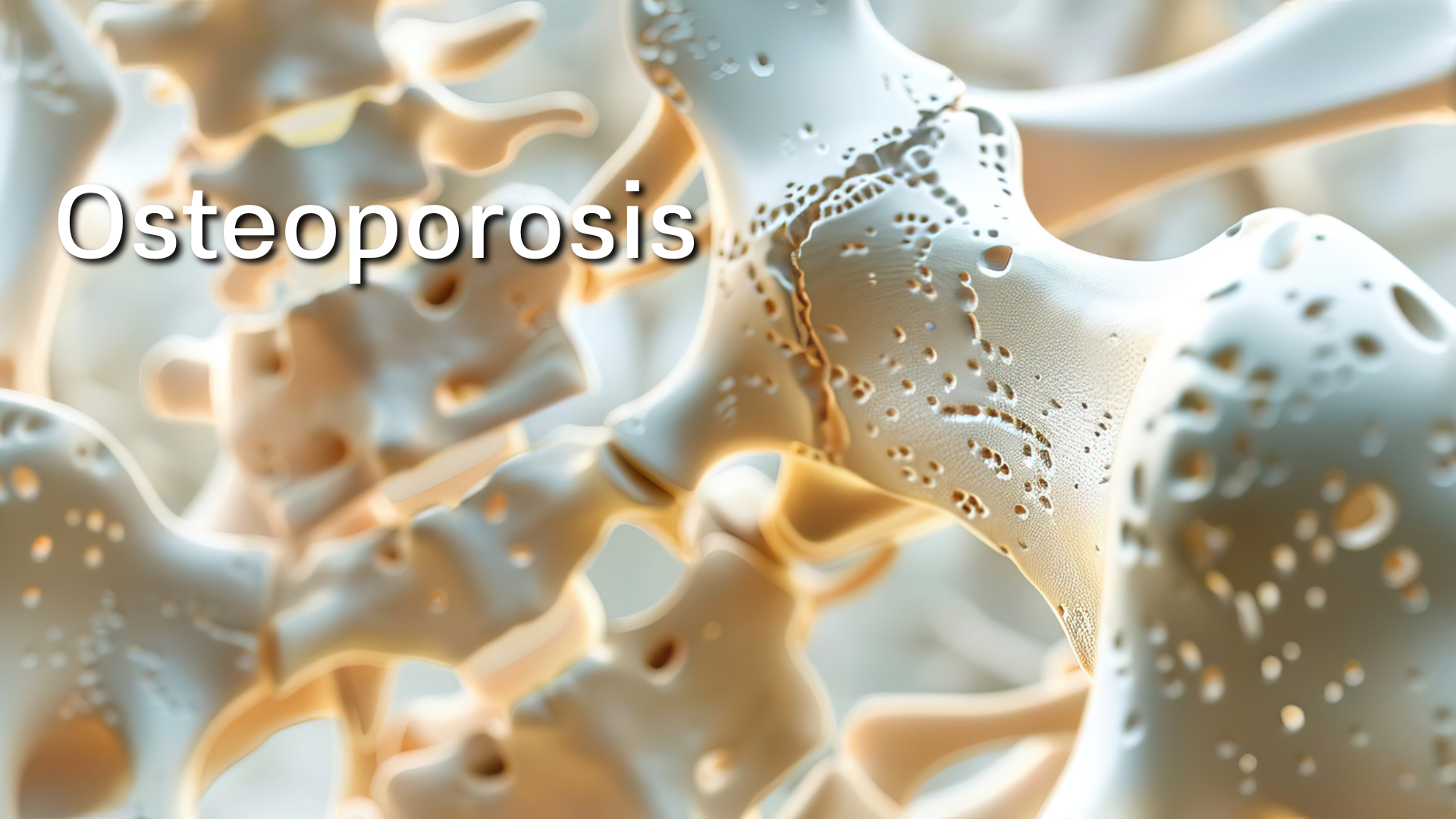
What is Osteoporosis? Osteoporosis is a condition where bone density and mass decrease, leading to reduced bone strength. Bones in our body consist of bone tissue and various minerals, particularly calcium, which contributes to bone strength. As we age, or due to other risk factors, the process of forming new bone slows down while the breakdown of old bone accelerates. This results in gaps within the bone tissue, causing the bones to thin and increasing the risk of fractures.
Types of Osteoporosis:
- Primary Osteoporosis: This type occurs due to the natural aging process, such as women entering menopause or older adults.
- Secondary Osteoporosis: This type is caused by diseases or external factors that affect bone mass and density, such as prolonged use of certain medications or conditions that impair calcium absorption in the body.
Symptoms of Osteoporosis:
- Easily fractured bones: Bones, particularly in the wrist, hip, and spine, may fracture easily from minor impacts.
- Back pain: Fractures or compression in the spine may cause sudden or chronic back pain.
- Loss of height: Compression of the spine due to bone thinning can result in a decrease in height.
- Stooped posture: Compression in the spine may lead to changes in body shape or a stooped posture.
Causes of Osteoporosis:
1. Uncontrollable factors:
- Age: As we age, bone formation decreases while bone resorption increases.
- Gender: Women are more prone to osteoporosis due to the decline in estrogen levels after menopause.
- Family history: A family history of osteoporosis increases the risk of developing the condition.
2. Controllable factors:
- Calcium and vitamin D deficiency: Lack of essential nutrients for bones, such as calcium and vitamin D.
- Lack of exercise: Not exercising regularly can lead to a reduction in bone mass.
- Smoking and alcohol consumption: These habits can weaken bones.
- Medication use: Certain medications, like steroids, can affect calcium absorption and increase the risk of osteoporosis.
Prevention and Treatment of Osteoporosis:
- Medication: Treatment may involve medications that inhibit bone resorption and increase bone mass or supplements of vitamin D and calcium.
- Exercise: Regular activities like brisk walking, weight lifting, or yoga can help strengthen bones.
- Diet: Consuming sufficient calcium and vitamin D through diet is crucial.
- Quit smoking and reduce alcohol consumption: To maintain bone health.
- Regular health check-ups: Regular bone density tests are important, especially for those at high risk.
Prevention should begin in childhood and continue throughout life to maintain strong bones and reduce the risk of osteoporosis in the future.
Source: Praram 9 Hospital
Source: Arokago Health Library.
Articles in this category are written by our editorial team to keep you informed about the latest healthcare and medical tourism news.