Why is colon cancer being found more in younger people?
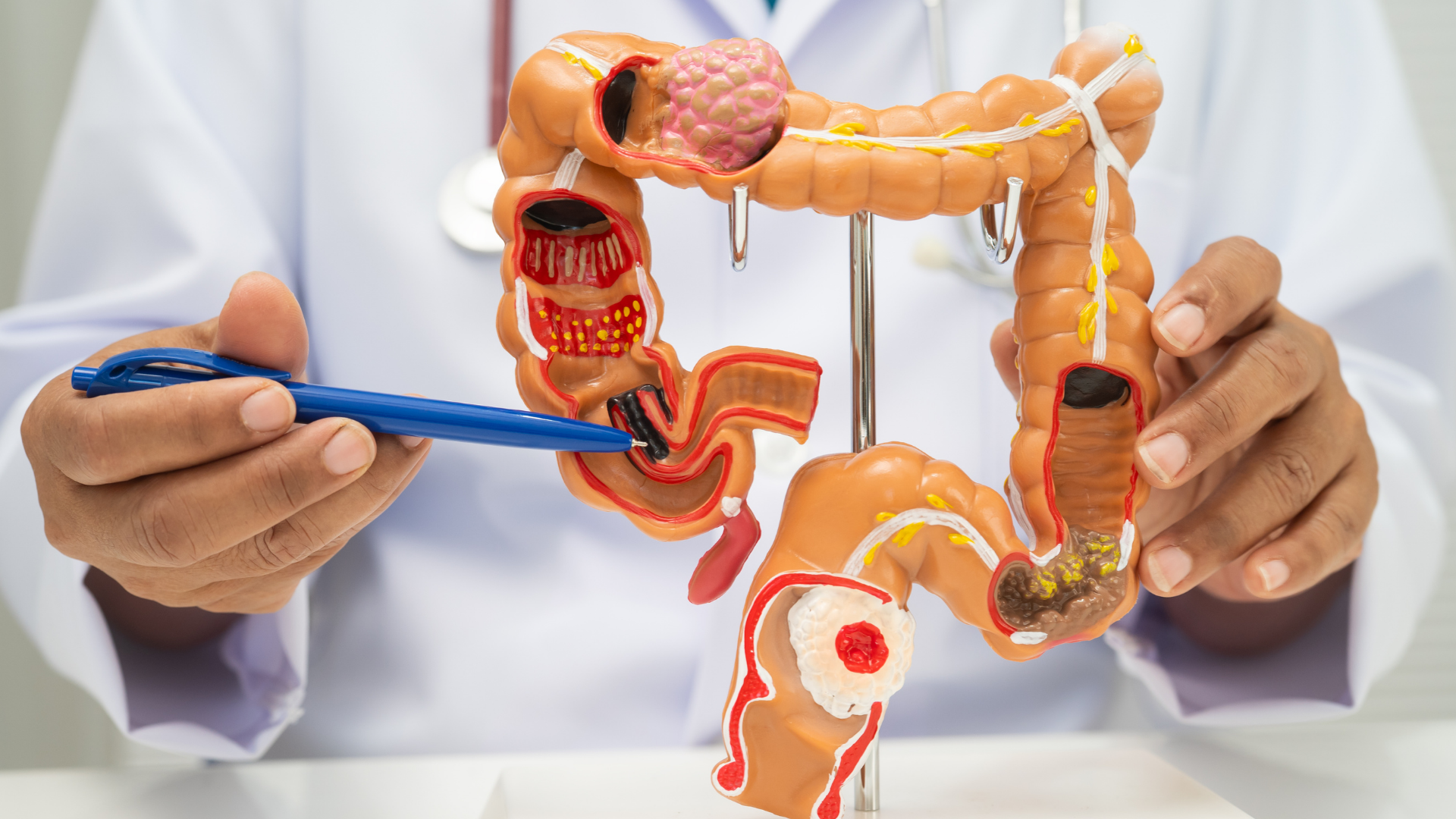
In recent years, a trend has been observed where the average age of colon cancer patients is continuously decreasing. Many cases are in their late 20s to 30s without a family history of colon cancer, without being obese, and without drinking alcohol heavily. However, when looking closely at lifestyle habits, it is found that several behaviors common among the younger generation can gradually increase the long-term risk of colon cancer.
1. Chronic constipation but thinking it is normal
Many people do not have a bowel movement every day, have hard stools, incomplete evacuation, or go only 2–3 times per week without seeing it as a problem. In reality, stool remaining in the intestines for a long time causes the intestinal walls to be exposed to toxins and carcinogens longer, increasing the chance of chronic inflammation and potentially affecting cell mutations in the long run.
2. Eating low fiber but consuming processed foods regularly
The eating patterns of many young people consist of snacks, bakeries, sausages, grilled foods, shabu, and sweet drinks, while the consumption of vegetables, fruits, and whole grains is low.
Fiber plays a crucial role in increasing stool volume, stimulating intestinal movement, and helping reduce the time carcinogens are in contact with the intestinal walls. Meanwhile, processed meats and certain processed foods contain substances directly linked to increased colon cancer risk according to several research studies.
3. Leading a sedentary lifestyle and moving little
Sitting at work for long periods, using screens for several hours a day, and lacking exercise result in decreased intestinal contractions, making excretion slower and causing chronic constipation.
Research has found that those with low physical activity have a higher risk of colon cancer than those who move their bodies regularly, as movement helps stimulate intestinal function and strengthens the immune system in the digestive tract.
4. Habitually holding back bowel movements
Many people feel the urge to go but choose to hold it in because it is inconvenient or they are busy with work. This behavior disrupts the rhythm of the intestinal system. When repeated often, it can lead to a condition called "slow transit colon," resulting in hard stools, long retention, and increased irritation of the intestinal walls in the long run.
5. Misunderstanding that being young means no need for screening
A common misconception is "still young, unlikely to have cancer," causing many to overlook warning signs such as:
- Bloody stools
- Constipation alternating with diarrhea
- Unexplained weight loss
- Easy fatigue
- Chronic bloating
Ignoring these signs causes colon cancer to be detected in advanced stages, even though if detected in the early stages, the chance of recovery is very high.
How to effectively restore the gut and reduce cancer risk
The gut is an organ that can recover well if cared for properly and consistently, which can start from these 4 key principles
- Increase fiber in every meal
Choose colorful vegetables, whole grains, nuts, and high-fiber fruits. Fiber helps increase stool volume, reduces the duration of waste buildup, and minimizes contact between carcinogens and the intestinal wall
- Supplement good microbes
Eating natural flavored yogurt, kimchi, or unsweetened fermented foods helps balance gut microbes, which play a crucial role in reducing chronic inflammation and boosting immunity
- Move your body every day
Just a brisk walk for 20 - 30 minutes a day helps stimulate gut function, reduces constipation, and helps the excretory system work more rhythmically
- Practice timely excretion and do not hold it in
Going to the bathroom at regular times, especially in the morning after waking up or after meals, will help train the excretory system to work systematically
Summary
Colon cancer is no longer a disease of the elderly alone. Small daily habits we repeat, such as eating, bowel movements, sitting for long periods, and ignoring warning signs, all accumulate risk unconsciously.
Starting to take care of your intestines today by increasing fiber, moving your body, and not overlooking abnormal symptoms can truly reduce the long-term risk of colon cancer.
Reference :
Thonburi Rajyindee Hospital Why is colon cancer being found more in younger people?
Independent Writer
Share this article
More Articles
Discover more insights on health care and medical tourism.

Medical Wellness by Hertitude: Longevity Medicine at Aman Nai Lert Bangkok
On the 8th floor of Aman Nai Lert Bangkok, within the seven-acre green seclusion of Nai Lert Park in the heart of the city's Lumphini district, sits Medical Wellness by Hertitude Clinic a physician-led longevity and wellness practice built into one of Bangkok's most private luxury addresses. The clinic occupies part of the hotel's 1,500-square-metre Aman Spa & Wellness centre, positioned on its own floor alongside the Aman Spa above it, forming what the hotel describes as a seamless synthesis of advanced medical wellness and traditional Thai healing.
Genetic Testing for Cancer Risk: Understanding Your Inherited Blueprint for Prevention
Cancer develops through a complex combination of genetic, environmental and lifestyle factors. While behaviors such as smoking, alcohol consumption, diet, physical activity and exposure to certain harmful substances can influence cancer risk, inherited genetic variants can also make some individuals more susceptible to certain types of cancer.

Behind the Surgery: Getting to Know Dr. Tanongsak Panyawirunroj of Asia Cosmetic Hospital
When people think of plastic surgery, they often focus first on what can be seen after a procedure the shape of the face, the nose, the eyes, the breasts, or the contours of the body. Yet behind every visible change lies a far more complex process involving anatomical knowledge, surgical experience, patient assessment, and a series of medical decisions made before, during, and after surgery.