Why Do We Get Shorter as We Age?

Why Do We Get Shorter as We Age? Here Are 3 Ways to Help Prevent It
Did you know that once you reach your 40s, your height may begin to decrease by an average of about 1 centimeter every 10 years? This happens because the body is constantly undergoing changes in the bones, muscles, and joints. By the time people reach their 70s, height loss often becomes more noticeable and may progress more rapidly. One of the main reasons is compression of the spine, which is commonly associated with osteoporosis.
In some cases, a person may not feel any pain or notice any unusual symptoms, even when the spinal bones have already begun to collapse. In more severe cases, however, pain may occur at the site of the compression. If the affected bone presses on nearby nerves, it may lead to muscle weakness and, in serious situations, even partial paralysis.
That is why it is important not to wait until it is too late. If you notice that you have become more than 4 centimeters shorter compared with your younger years, or if your height continues to decrease year after year, you should consult a doctor to determine whether osteoporosis may be the cause.
Doctors at KDMS also recommend starting osteoporosis prevention early, even from a young age, through the following three approaches.
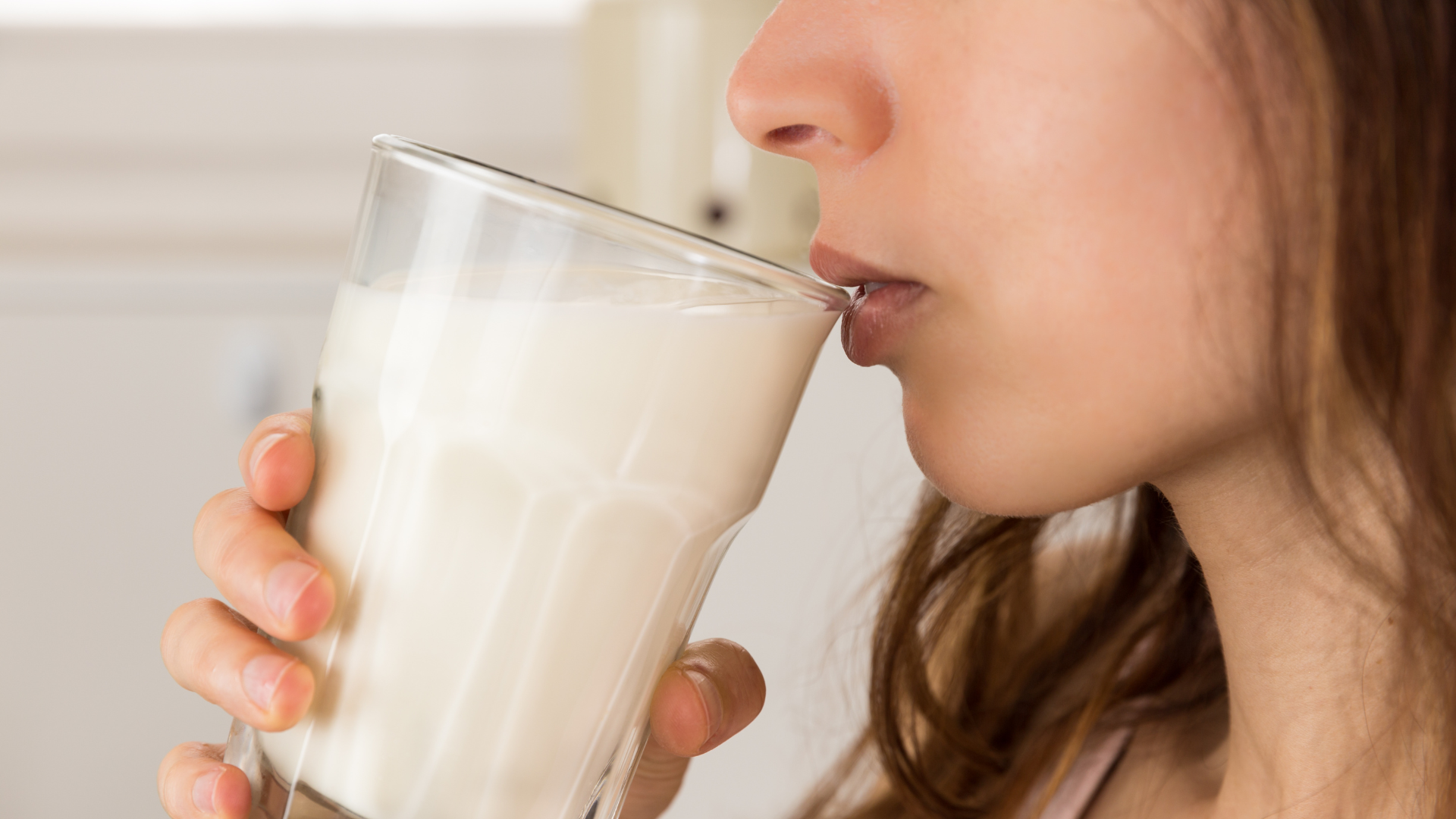
1. Consume Milk and Dairy Products Regularly
Calcium is essential for maintaining strong bones throughout life. Older adults are generally advised to choose low-fat or skim milk and to include foods rich in vitamin D, such as sea fish and egg yolks, to support calcium absorption and bone health.
2. Exercise Regularly
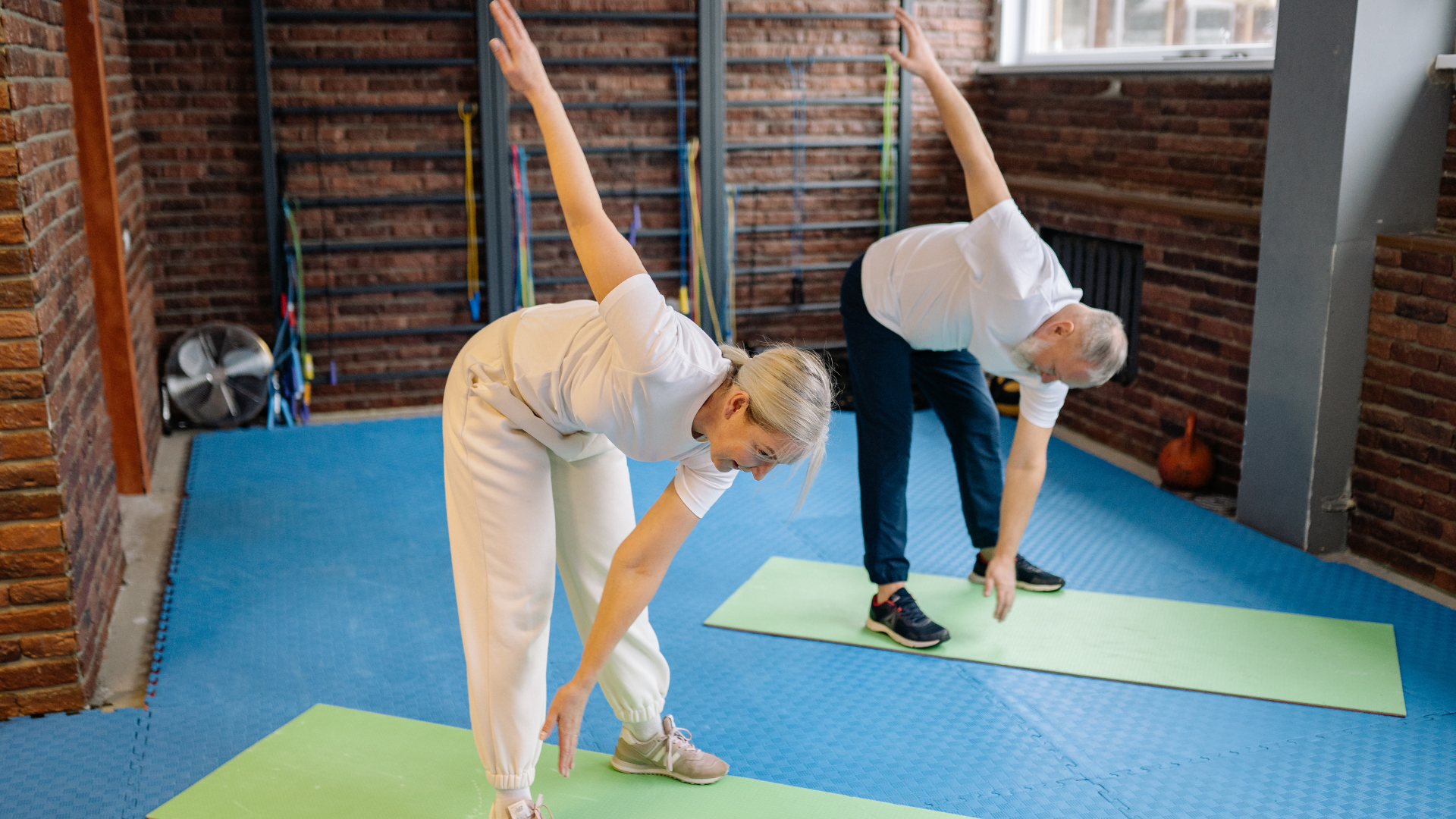
Regular exercise plays an important role in maintaining bone strength. Activities such as walking, running, cardio, aerobics, and various sports that involve body movement and weight transfer through the skeletal system can help stimulate and preserve bone density.
3. Practice Balance Training
Balance training is another important way to reduce the risk of falls and fractures later in life. Activities and exercises that involve movement and weight shifting, such as dancing, ballroom dancing, yoga, Pilates, ice skating, surf skating, or surfing, can improve balance and coordination while helping protect the bones as we age.
Start Taking Care of Your Bones Early
Once you enter your 30s, it is wise to begin protecting and nourishing your bones. Taking care of bone health early is far better than discovering osteoporosis later, when even a minor stumble or slip could result in a fracture.
source : KDMS Hospital
**Translated and compiled by ArokaGO Content Team
Independent Writer
Share this article
More Articles
Discover more insights on health care and medical tourism.

Wellness Tourism in Thailand | Why Travelers Come for More Than a Holiday
When people think about Thailand, beaches, street food, temples, and vibrant city life usually come to mind. But in recent years, something has changed. More travelers are arriving with a different purpose — not only to explore, but to improve their wellbeing, reduce stress, undergo preventive health screening, or simply take better care of themselves.

Medical Tourism in Thailand: Where Getting Well Feels Like the Trip of a Lifetime
Imagine waking up in Bangkok, overlooking the Chao Phraya River as long-tail boats drift past your window. Hours later, you've completed a full health screening at a world-class hospital, reviewed your results, and are enjoying iced coffee by a rooftop pool before dinner at Asiatique.
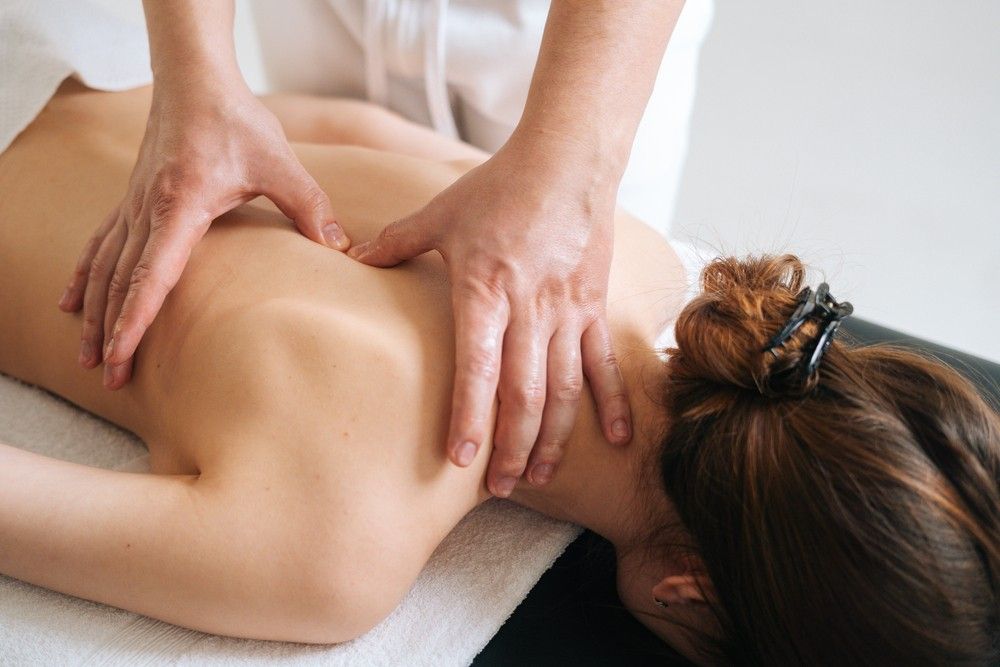
Difference Between “General Massage” and “Anatomy & Wellness Massage”
Anatomy & Wellness Massage combines relaxation with an understanding of muscle structure and body balance. It helps relieve tension, muscle pain, and stiffness, restore movement, and address the root causes of discomfort. Suitable for people with Office Syndrome or chronic muscle pain.