Why Do Children Walk with In-Toeing (Pigeon-Toed Walking)?
What Is In-Toeing in Children?
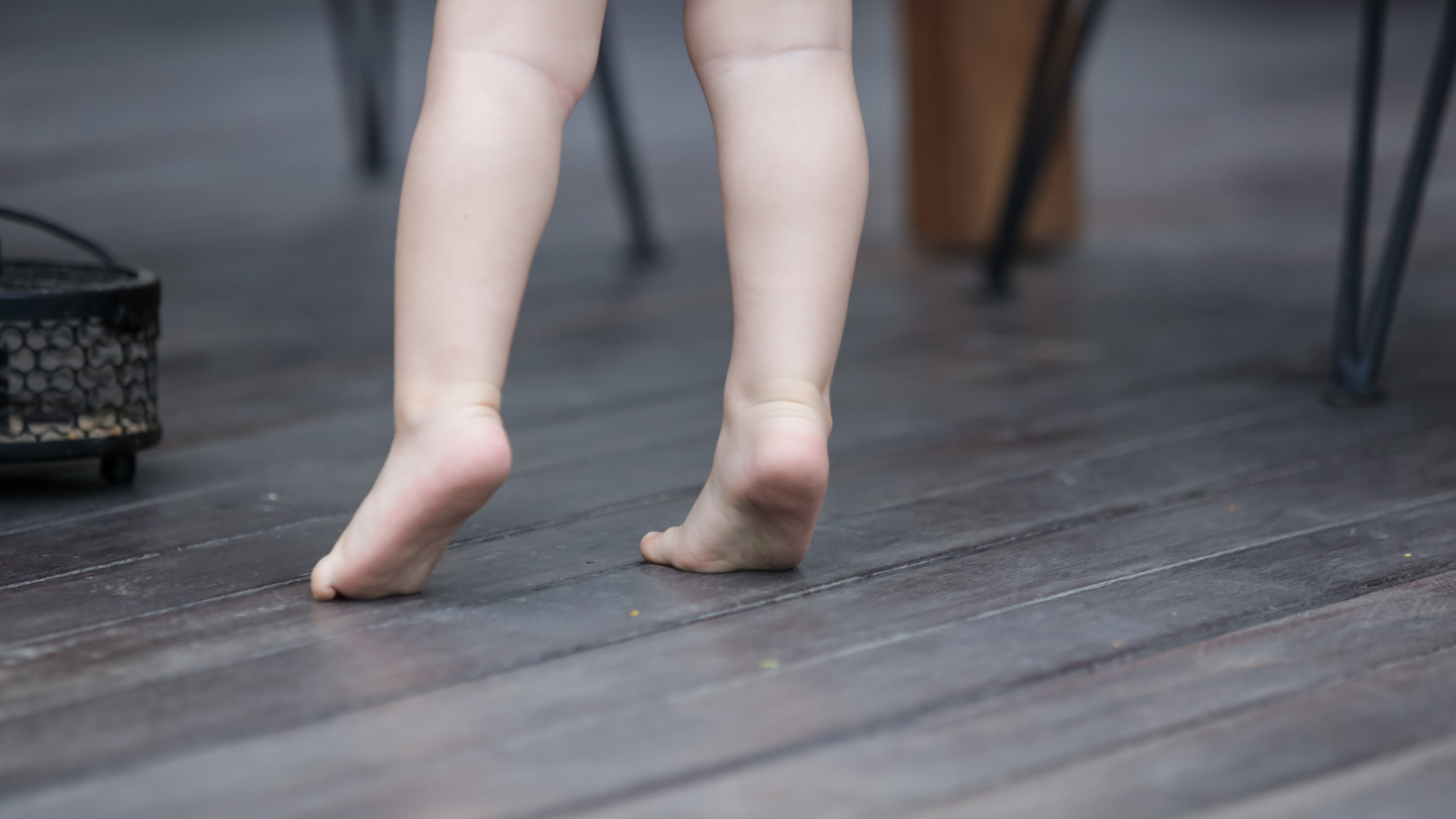
In-toeing (pigeon-toed walking) is a condition where a child’s feet turn inward while walking. It is commonly observed when children begin to stand and walk, often causing concern for parents.
Why Do Children Walk In-Toeing?
Children may walk with their feet turned inward due to normal developmental variations in their bones and joints.
Common causes include:
๐ Bone rotation from birth:
During fetal development, the bones of the hips, thighs, and lower legs may rotate inward.
๐ Femoral or tibial torsion:
The thigh bone (femur) or shin bone (tibia) may rotate inward, causing the feet to point inward while walking.
๐ Foot positioning:
The shape or position of the feet themselves may contribute to in-toeing.
Why Does It Appear When a Child Starts Walking?
While in the womb, babies are in a confined position, which can affect bone alignment.
After birth, as children begin to stand and walk:
๐ The hip joints, muscles, and ligaments gradually adjust
๐ The inward rotation becomes more noticeable during walking
In many cases, this improves naturally as the child grows, especially after 1 year of age.
Is It Normal or Abnormal?
In-toeing is very common in young children and is usually not a cause for concern.
๐ Most children improve naturally without treatment
๐ The severity may vary from child to child
๐ Some children may appear more noticeable than others
When Should Parents Be Concerned?
Seek medical advice if your child shows:
๐ Persistent or worsening in-toeing
๐ Asymmetry (only one side affected)
๐ Difficulty walking, frequent falling, or limping
๐ Delayed motor development
๐ Pain or limited joint movement
Do Children Need Special Shoes or Treatment?
๐ There is no strong scientific evidence that corrective shoes improve outcomes
๐ Most cases resolve naturally without intervention
Parents should focus on normal activity and development.
Do Additional Tests Need to Be Done?
Diagnosis is usually based on physical examination.
Additional tests may be required only in certain cases, such as:
๐ X-rays
๐ MRI (if neurological or structural abnormalities are suspected)
How Is In-Toeing Treated?
1. Observation (Most Common Approach)
๐ The majority of cases improve naturally
๐ Regular monitoring is recommended
2. Natural Correction Over Time
๐ Bone alignment gradually improves as the child grows
๐ Most children improve significantly by age 4-5 years
๐ Continued improvement may occur until around 10-12 years
3. Surgical Treatment (Rare Cases)
Surgery is considered only if:
๐ The condition is severe
๐ It persists beyond childhood
๐ It affects walking or quality of life
Conclusion
In-toeing in children is usually a normal developmental condition that resolves on its own. Parents should monitor their child’s development and seek medical advice only if there are concerning signs. Avoid unnecessary treatments, as most children will naturally outgrow this condition.
FAQ
Is in-toeing dangerous?
No, it is usually harmless and part of normal development.
Will my child grow out of it?
Yes, most children improve naturally without treatment.
Do special shoes help?
No, there is no strong evidence that special shoes correct in-toeing.
When should I see a doctor?
If symptoms are severe, uneven, painful, or affect walking ability.
source : Synphaet Children's Hospital
**Translated and compiled by ArokaGO Content Team
Independent Writer
Share this article
More Articles
Discover more insights on health care and medical tourism.

Wellness Tourism in Thailand | Why Travelers Come for More Than a Holiday
When people think about Thailand, beaches, street food, temples, and vibrant city life usually come to mind. But in recent years, something has changed. More travelers are arriving with a different purpose — not only to explore, but to improve their wellbeing, reduce stress, undergo preventive health screening, or simply take better care of themselves.

Medical Tourism in Thailand: Where Getting Well Feels Like the Trip of a Lifetime
Imagine waking up in Bangkok, overlooking the Chao Phraya River as long-tail boats drift past your window. Hours later, you've completed a full health screening at a world-class hospital, reviewed your results, and are enjoying iced coffee by a rooftop pool before dinner at Asiatique.
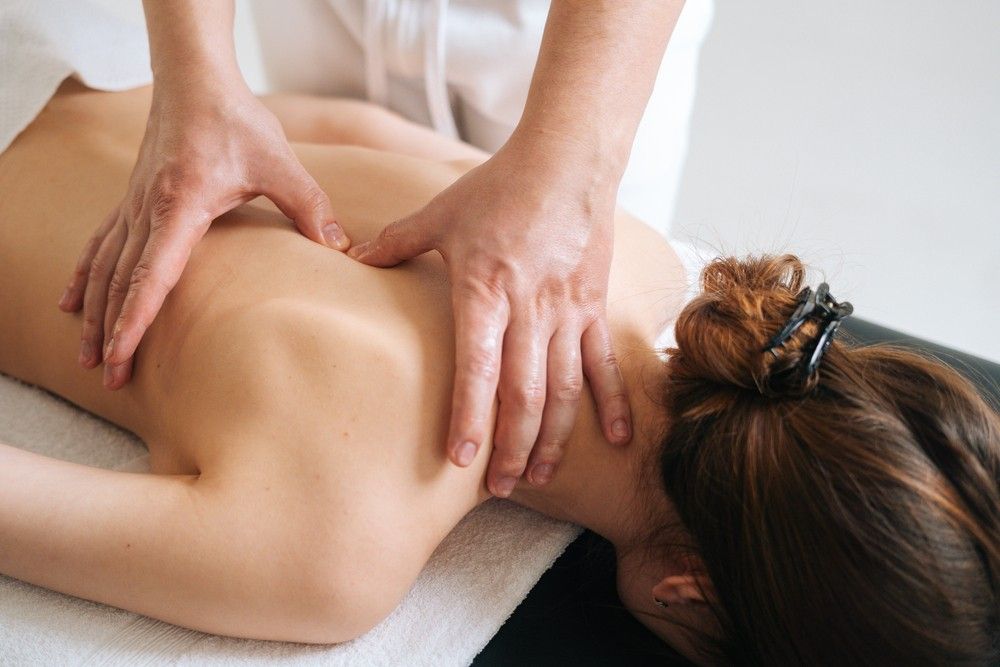
Difference Between “General Massage” and “Anatomy & Wellness Massage”
Anatomy & Wellness Massage combines relaxation with an understanding of muscle structure and body balance. It helps relieve tension, muscle pain, and stiffness, restore movement, and address the root causes of discomfort. Suitable for people with Office Syndrome or chronic muscle pain.