What Is Office Syndrome ?

Have you ever felt exhausted after a week of work, only to wake up the next morning with neck pain, shoulder pain, headache, or stiffness that makes it difficult to move? These symptoms are not simply due to fatigue but may be early warning signs of Office Syndrome, a group of disorders commonly affecting working-age adults in modern society.
What Is Office Syndrome?
Office Syndrome is a group of disorders affecting the muscles and connective tissues of the body. It results from repetitive activities over a prolonged period, accumulated stress, and inadequate muscle stretching.
Although it commonly affects the neck, shoulders, upper back, and lower back, it may also cause symptoms involving the arms, hands, head, and nervous system.
Traditional Thai Medicine Perspective
From the perspective of Traditional Thai Medicine, Office Syndrome is not merely muscle pain. It is classified as a disorder related to "Lom Plai Pat Khat" (imbalanced wind element), in which the flow of wind energy in the body becomes impaired. This results in muscle tightness, reduced blood circulation, and chronic pain.
Traditional Thai Medicine explains Office Syndrome based on the Four Elements Theory:
- Earth Element (muscles and tendons): Muscles become tense, stiff, and develop palpable knots.
- Water Element (blood): Poor circulation reduces blood supply to the extremities.
- Wind Element: Excessive stagnation of wind causes numbness.
- Fire Element: Increased heat within the muscles leads to inflammation.
When the four elements become imbalanced, the body manifests warning signs in the form of pain.
Common Symptoms of Office Syndrome
Neck and Shoulder Region
- Persistent neck and shoulder pain with a constant feeling of heaviness
- Difficulty turning the head or stiffness of the neck
- Tenderness over the neck and shoulder muscles
- Pain radiating to the upper arm, shoulder blade, or upper back
Head and Facial Region
- Headache, especially after prolonged work
- Pain around the eye socket, blurred vision
- Dizziness, vertigo, or nausea
Arm and Hand Region
- Pain radiating down the arm
- Numbness of the hand or fingers, especially the thumb, index finger, and middle finger
- Weakness of the arm
Lower Back and Hip Region
- Persistent lower back pain, particularly after prolonged work
- Hip pain or pain radiating to the buttocks and legs
Major Causes of Office Syndrome
1. Work-related behavior: Prolonged sitting without changing position, poor posture (e.g., slouching or leaning forward), and repetitive movements.
2. Improper work environment: Inappropriate desk and chair height, computer monitor positioned too high or too low, and incorrect use of computer accessories.
3. Chronic stress: Stress causes unconscious muscle tension, resulting in persistent muscle contraction, referred to in Traditional Thai Medicine as "Lom Plai Pat."
4. Lack of exercise and stretching: Muscles that are not stretched regularly become tight and stiff.
5. Personal factors: Increasing age, inadequate sleep, and poor dietary habits.
Can Office Syndrome Be Left Untreated?
Many people underestimate Office Syndrome, believing it is only muscle soreness that will resolve on its own. In reality, if left untreated, it may progress to:
- Chronic pain affecting work performance and sleep
- Herniated cervical intervertebral disc
- Cervical spondylosis with nerve compression
- Chronic muscle inflammation and movement disorders
When Should You Seek Treatment?
You should seek medical attention if you experience:
- Persistent pain lasting more than 2 weeks despite rest
- Symptoms that interfere with work or sleep
- Numbness or weakness that does not improve
- Pain radiating to the arms or legs
- A significant decline in quality of life
Office Syndrome is not simply fatigue from work. It is a warning sign that your body is becoming imbalanced. The earlier it is recognized and treated, the easier it is to manage and the better the long-term outcome
Reference :
ABHAI WELLNESS What Is Office Syndrome?
ArokaGO Providers ABHAI WELLNESS
.
ABHAI WELLNESS
Share this article
More Articles
Discover more insights on health care and medical tourism.

Medical Wellness by Hertitude: Longevity Medicine at Aman Nai Lert Bangkok
On the 8th floor of Aman Nai Lert Bangkok, within the seven-acre green seclusion of Nai Lert Park in the heart of the city's Lumphini district, sits Medical Wellness by Hertitude Clinic a physician-led longevity and wellness practice built into one of Bangkok's most private luxury addresses. The clinic occupies part of the hotel's 1,500-square-metre Aman Spa & Wellness centre, positioned on its own floor alongside the Aman Spa above it, forming what the hotel describes as a seamless synthesis of advanced medical wellness and traditional Thai healing.

Genetic Testing for Cancer Risk: Understanding Your Inherited Blueprint for Prevention
Cancer develops through a complex combination of genetic, environmental and lifestyle factors. While behaviors such as smoking, alcohol consumption, diet, physical activity and exposure to certain harmful substances can influence cancer risk, inherited genetic variants can also make some individuals more susceptible to certain types of cancer.
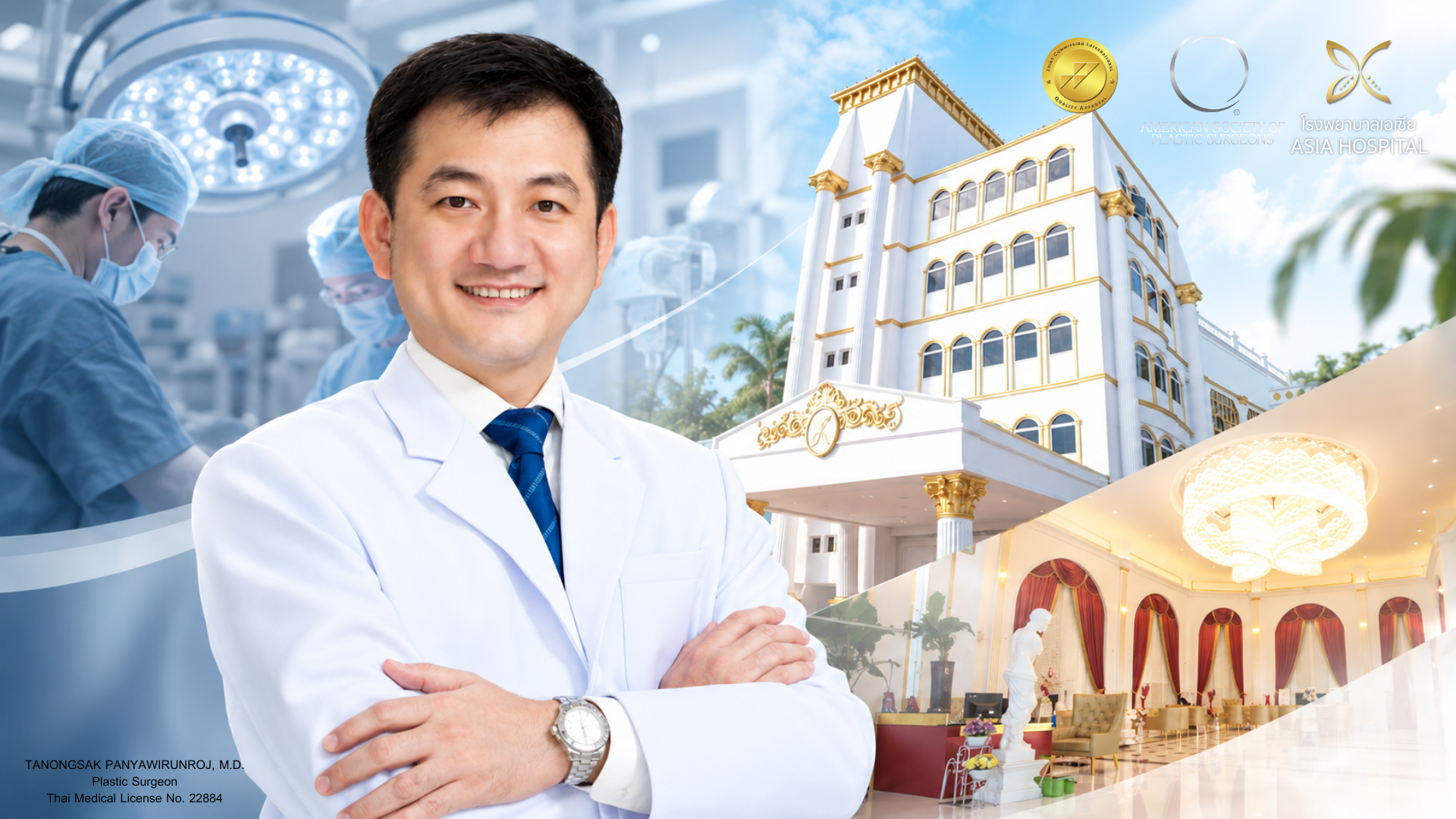
Behind the Surgery: Getting to Know Dr. Tanongsak Panyawirunroj of Asia Cosmetic Hospital
When people think of plastic surgery, they often focus first on what can be seen after a procedure the shape of the face, the nose, the eyes, the breasts, or the contours of the body. Yet behind every visible change lies a far more complex process involving anatomical knowledge, surgical experience, patient assessment, and a series of medical decisions made before, during, and after surgery.