What Is Cystic Acne (Acne Conglobata)?
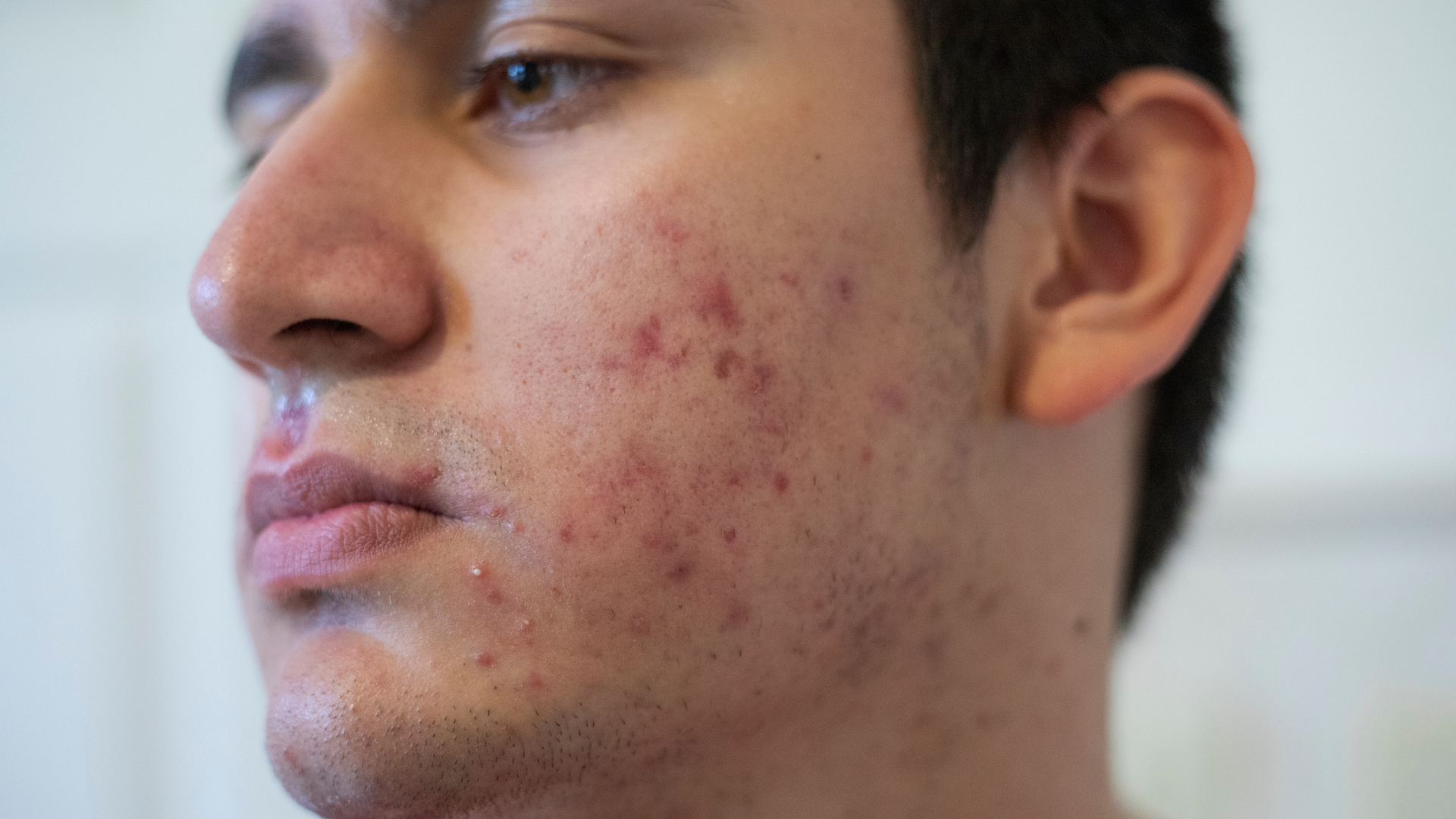
What Is Cystic Acne?
Cystic acne (Acne Conglobata) is a severe form of acne that develops deep within the skin layers. It is characterized by:
๐ Large, inflamed lumps
๐ Severe swelling and redness
๐ Pain or tenderness
๐ Often no visible “head,” or multiple pus-filled heads within one lesion
What Causes Cystic Acne?
Cystic acne typically begins as clogged pores that become infected and develop into severe inflammation. Key contributing factors include:
๐ Hormonal changes that increase oil (sebum) production
๐ Clogged pores due to dead skin cell buildup
๐ Overgrowth of Cutibacterium acnes
๐ Strong immune response leading to deep inflammation
๐ Lifestyle habits, such as touching the face with unclean hands or using unsuitable skincare products
Common Areas Where Cystic Acne Occurs
๐ Cheeks - most common, often severe
๐ Chin - frequently linked to hormonal changes
๐ Back - common in individuals who sweat heavily
๐ Chest - often occurs alongside back acne
๐ Neck - less common but typically severe
๐ Forehead - often related to oily skin or hair products
How Is Cystic Acne Different from Other Acne Types?
Cystic acne differs significantly from common acne types such as blackheads, whiteheads, or pustules:
๐ Larger in size
๐ Deeper inflammation
๐ More painful
๐ Higher risk of permanent scarring
How to Treat Cystic Acne
Treatment for cystic acne must be comprehensive and supervised by a dermatologist to prevent complications and recurrence.
1. Topical Treatments
These are often the first step in managing cystic acne:
๐ Benzoyl peroxide - kills bacteria and reduces inflammation
๐ Retinoids - prevent clogged pores and promote skin renewal
๐ Azelaic acid - inhibits bacterial growth and reduces redness
2. Oral Medications
For moderate to severe cases, oral treatments may be required:
๐ Antibiotics - control bacterial infection
๐ Isotretinoin - used for severe or treatment-resistant acne
๐ Hormonal therapy - especially effective for women with hormonal acne
3. Professional Extraction or Drainage
This can worsen inflammation and increase the risk of scarring.
๐ Sterile drainage procedures
๐ Combined with anti-inflammatory treatment
4. Laser Treatment
Laser therapy is an effective option that can:
๐ Reduce oil gland activity
๐ Kill acne-causing bacteria
๐ Decrease inflammation
๐ Stimulate collagen production to repair the skin
5. Consult a Dermatologist
Because cystic acne is more complex than common acne, professional evaluation is essential.
๐ Diagnose the condition accurately
๐ Create a personalized treatment plan
๐ Monitor progress to prevent recurrence and scarring
Conclusion
Cystic acne is a serious skin condition that requires early and proper treatment. With the right approach-whether topical, oral, or advanced treatments like laser therapy-it can be effectively managed.
source :
Arokago Providers Doctor Nat Clinic
**Translated and compiled by ArokaGO Content Team
Independent Writer
Share this article
More Articles
Discover more insights on health care and medical tourism.

Wellness Tourism in Thailand | Why Travelers Come for More Than a Holiday
When people think about Thailand, beaches, street food, temples, and vibrant city life usually come to mind. But in recent years, something has changed. More travelers are arriving with a different purpose — not only to explore, but to improve their wellbeing, reduce stress, undergo preventive health screening, or simply take better care of themselves.

Medical Tourism in Thailand: Where Getting Well Feels Like the Trip of a Lifetime
Imagine waking up in Bangkok, overlooking the Chao Phraya River as long-tail boats drift past your window. Hours later, you've completed a full health screening at a world-class hospital, reviewed your results, and are enjoying iced coffee by a rooftop pool before dinner at Asiatique.
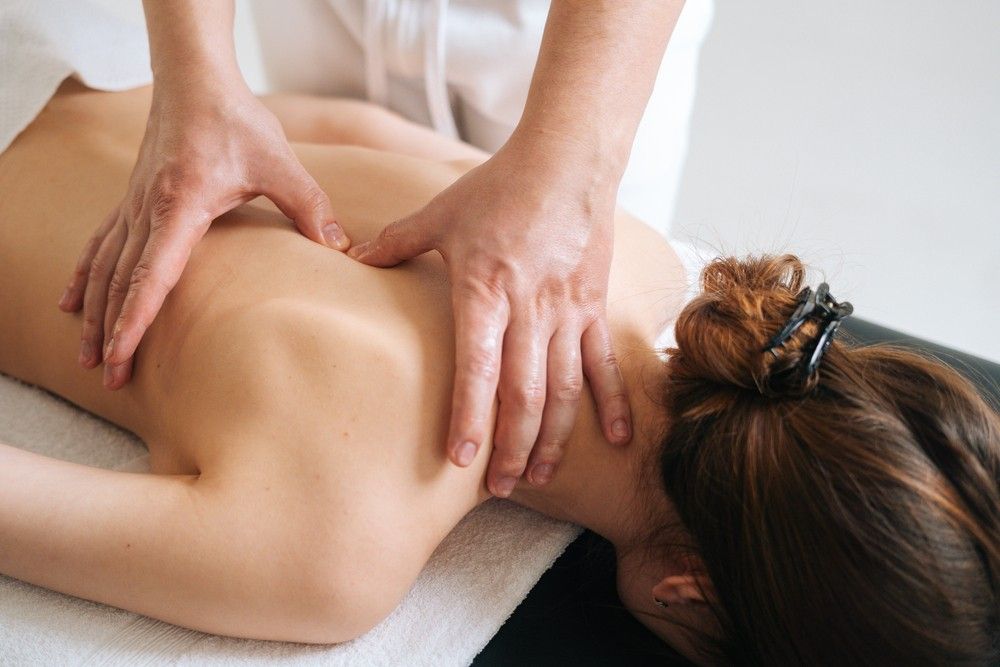
Difference Between “General Massage” and “Anatomy & Wellness Massage”
Anatomy & Wellness Massage combines relaxation with an understanding of muscle structure and body balance. It helps relieve tension, muscle pain, and stiffness, restore movement, and address the root causes of discomfort. Suitable for people with Office Syndrome or chronic muscle pain.