What Causes Snoring?
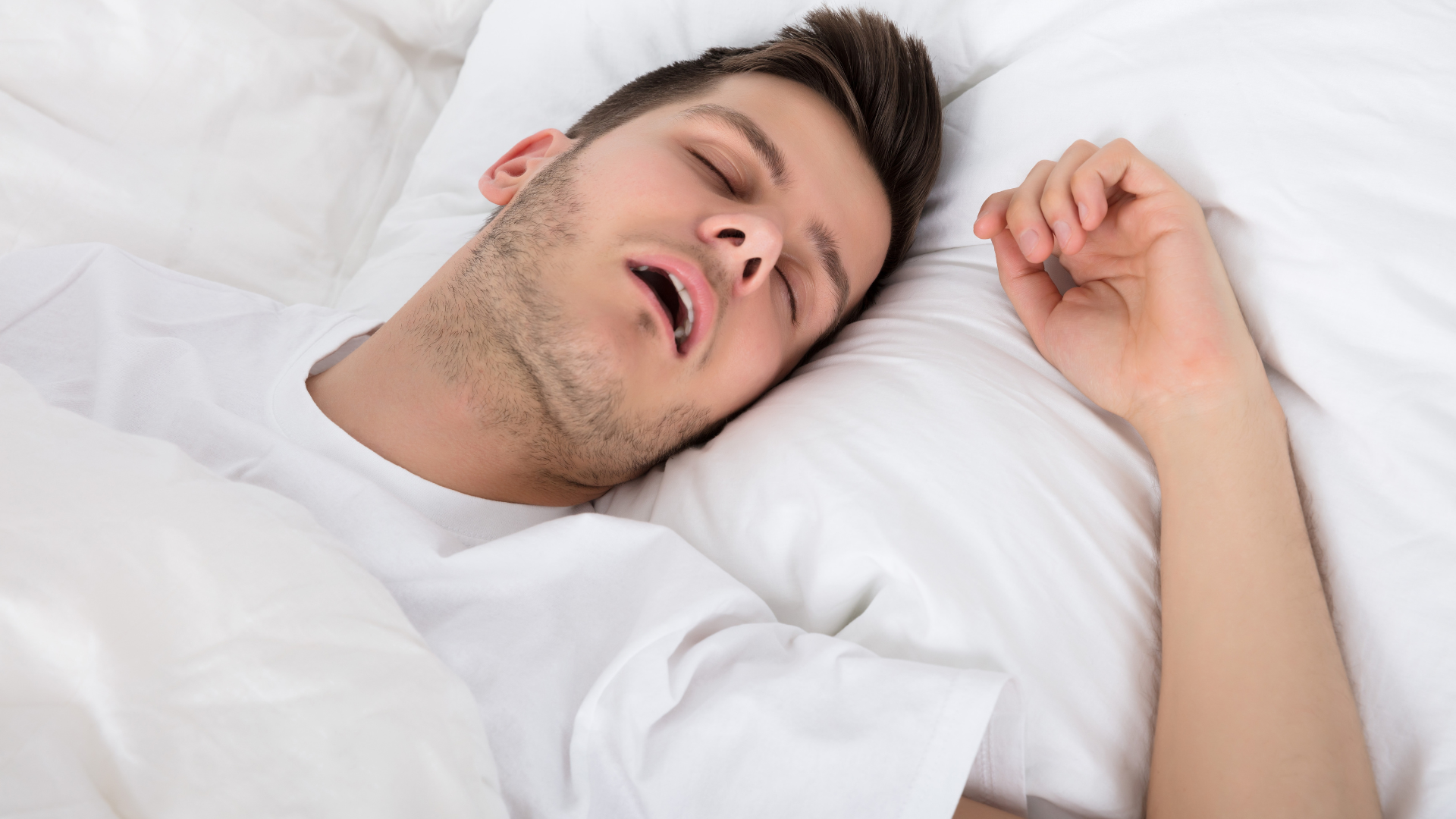
When air cannot pass smoothly into the windpipe and lungs, the narrowed upper airway causes soft tissues-such as the soft palate, throat walls, and epiglottis-to vibrate, producing the sound of snoring.
Which Type of Snoring Can Affect Your Health?
Snoring can occur in the general population. When a person snores without experiencing pauses in breathing during sleep, the main effects may be disturbance to people nearby or embarrassment from being teased.
However, when snoring occurs together with obstructive sleep apnoea, it can have a significant impact on health.
During pauses in breathing, the oxygen level in the blood decreases. This condition is known as hypoxia, meaning that cells throughout the body do not receive enough oxygen.
People with this condition may feel that they have not had enough sleep even after sleeping for many hours. Other noticeable symptoms may include:
๐ Irritability
๐ Poor concentration
๐ Daytime tiredness
๐ Feeling unrefreshed after waking
Another important concern is that repeated drops in blood oxygen can increase the production of free radicals and contribute to oxidative stress.
This may cause inflammation in small blood vessels throughout the body and interfere with normal blood circulation to different organs. Over time, it may accelerate cellular deterioration and premature ageing.
Long-term sleep apnoea may also be associated with an increased risk of degenerative and chronic conditions, including:
๐ Diabetes
๐ High blood pressure
๐ Cardiovascular disease
๐ Memory impairment or Alzheimer’s disease
๐ Degenerative joint disease
๐ Glaucoma
๐ Cataracts
Anyone who snores and suspects that they may also have pauses in breathing during sleep should consult a doctor for examination, assessment, and an appropriate treatment plan.
Treating Snoring and Sleep Apnoea Caused by a Relaxed Soft Palate
More than 80% of the loudness of snoring may result from vibration of the soft palate.
A relaxed or sagging soft palate can also contribute to narrowing of the upper airway and may lead to obstructive sleep apnoea, or OSA.
Traditional Surgery for Snoring
When snoring is caused by a sagging soft palate and an elongated uvula, surgery may be considered.
The traditional procedure is known as uvulopalatopharyngoplasty, or UPPP. It involves cutting and reshaping the soft palate and uvula using conventional surgical instruments and sutures.
Possible disadvantages include:
๐ A longer operating time
๐ Blood loss of approximately 50-100 cc
๐ Significant pain after surgery
๐ A hospital stay of two to three nights
๐ A longer recovery period
๐ Less aesthetically pleasing surgical wounds inside the throat
A Newer Surgical Technique for Snoring
A newer technique known as the Modified CAPSO technique, or Modified Cautery-Assisted Palatal Stiffening Operation, has been developed and is now recognised internationally.
It may be combined with reshaping and suturing of the soft palate and uvula in a procedure called Modified CAPSO and Uvulopalatoplasty.
Advantages include:
๐ A shorter operating time
๐ Minimal blood loss of approximately 1-2 cc
๐ Less postoperative pain
๐ A hospital stay of only one to two nights
๐ Faster recovery
๐ Better-looking surgical wounds inside the throat
This procedure may be suitable for patients with mild to moderate obstructive sleep apnoea.
For patients with moderate to severe OSA, it may be combined with other treatments, such as:
๐ Laser tonsilloplasty, which uses a laser to reduce tonsil tissue and reshape the tonsils
๐ A spring pillar implant
The combined technique is known as Hybrid Modified CAPSO, which consists of Modified CAPSO together with a spring pillar implant. This approach may be used to treat patients with moderate to severe obstructive sleep apnoea.
Reference :
Independent Writer
Share this article
More Articles
Discover more insights on health care and medical tourism.
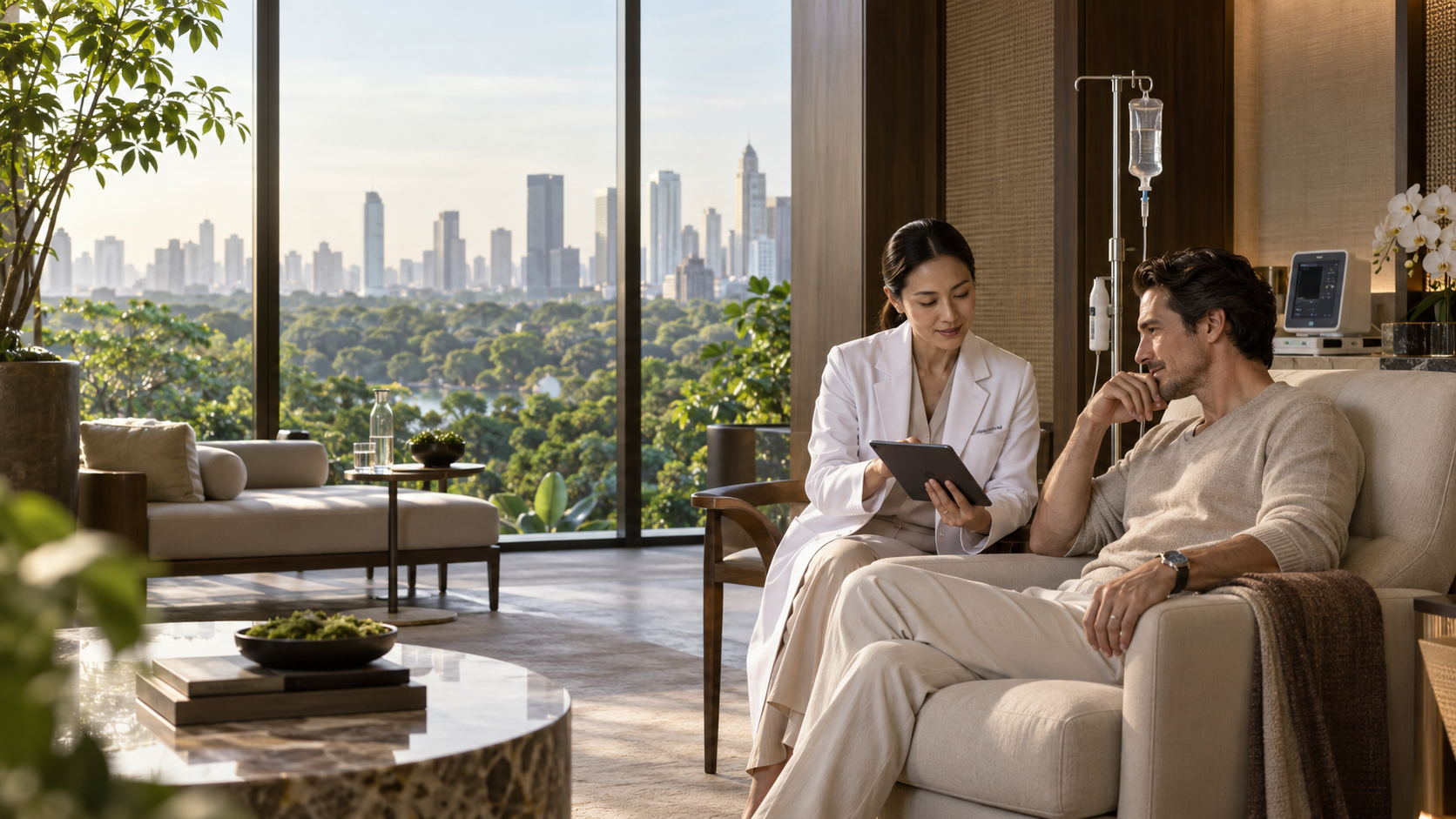
Medical Wellness by Hertitude: Longevity Medicine at Aman Nai Lert Bangkok
On the 8th floor of Aman Nai Lert Bangkok, within the seven-acre green seclusion of Nai Lert Park in the heart of the city's Lumphini district, sits Medical Wellness by Hertitude Clinic a physician-led longevity and wellness practice built into one of Bangkok's most private luxury addresses. The clinic occupies part of the hotel's 1,500-square-metre Aman Spa & Wellness centre, positioned on its own floor alongside the Aman Spa above it, forming what the hotel describes as a seamless synthesis of advanced medical wellness and traditional Thai healing.

Genetic Testing for Cancer Risk: Understanding Your Inherited Blueprint for Prevention
Cancer develops through a complex combination of genetic, environmental and lifestyle factors. While behaviors such as smoking, alcohol consumption, diet, physical activity and exposure to certain harmful substances can influence cancer risk, inherited genetic variants can also make some individuals more susceptible to certain types of cancer.
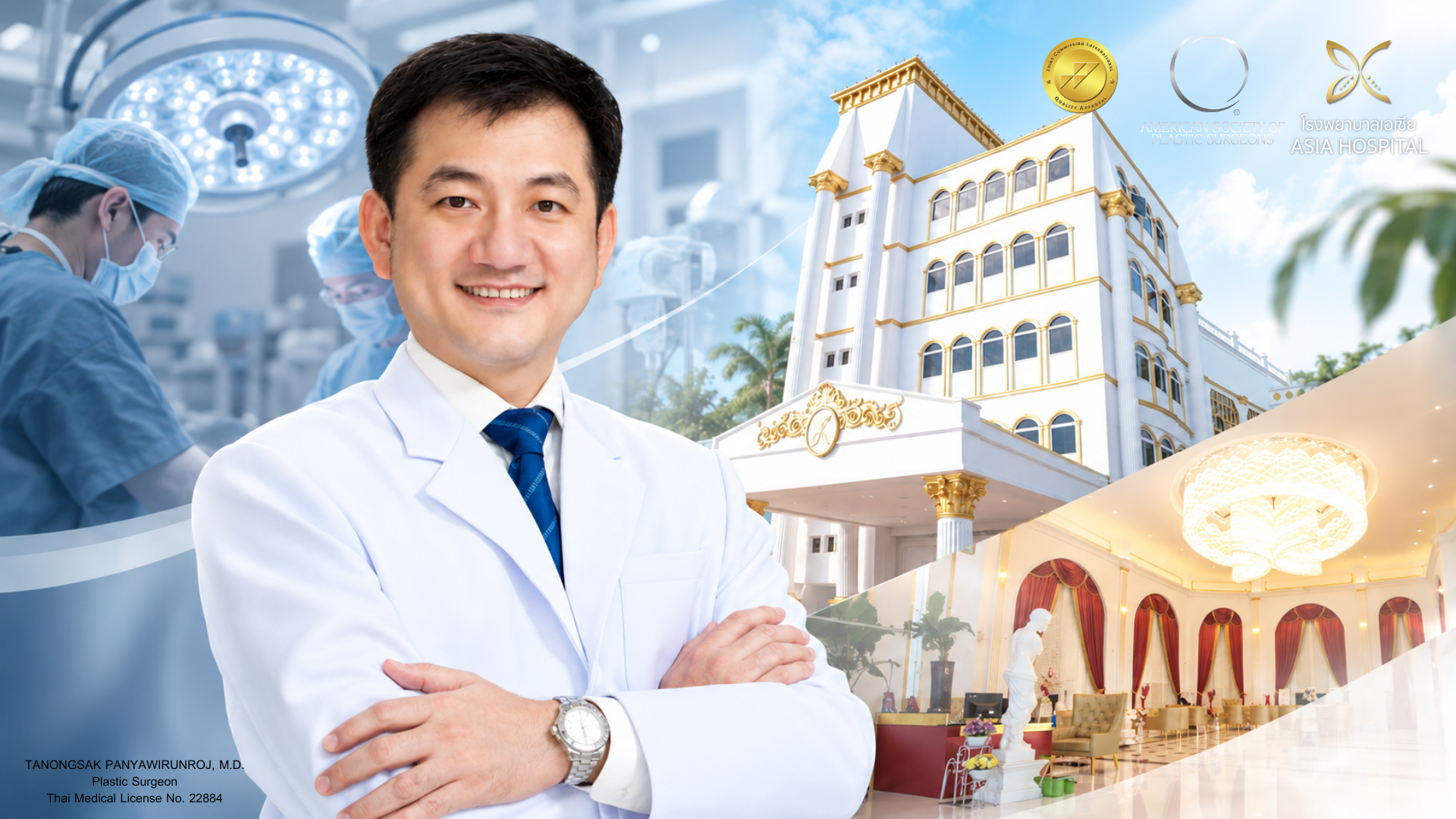
Behind the Surgery: Getting to Know Dr. Tanongsak Panyawirunroj of Asia Cosmetic Hospital
When people think of plastic surgery, they often focus first on what can be seen after a procedure the shape of the face, the nose, the eyes, the breasts, or the contours of the body. Yet behind every visible change lies a far more complex process involving anatomical knowledge, surgical experience, patient assessment, and a series of medical decisions made before, during, and after surgery.