What are the benefits of getting dental treatment at a hospital?
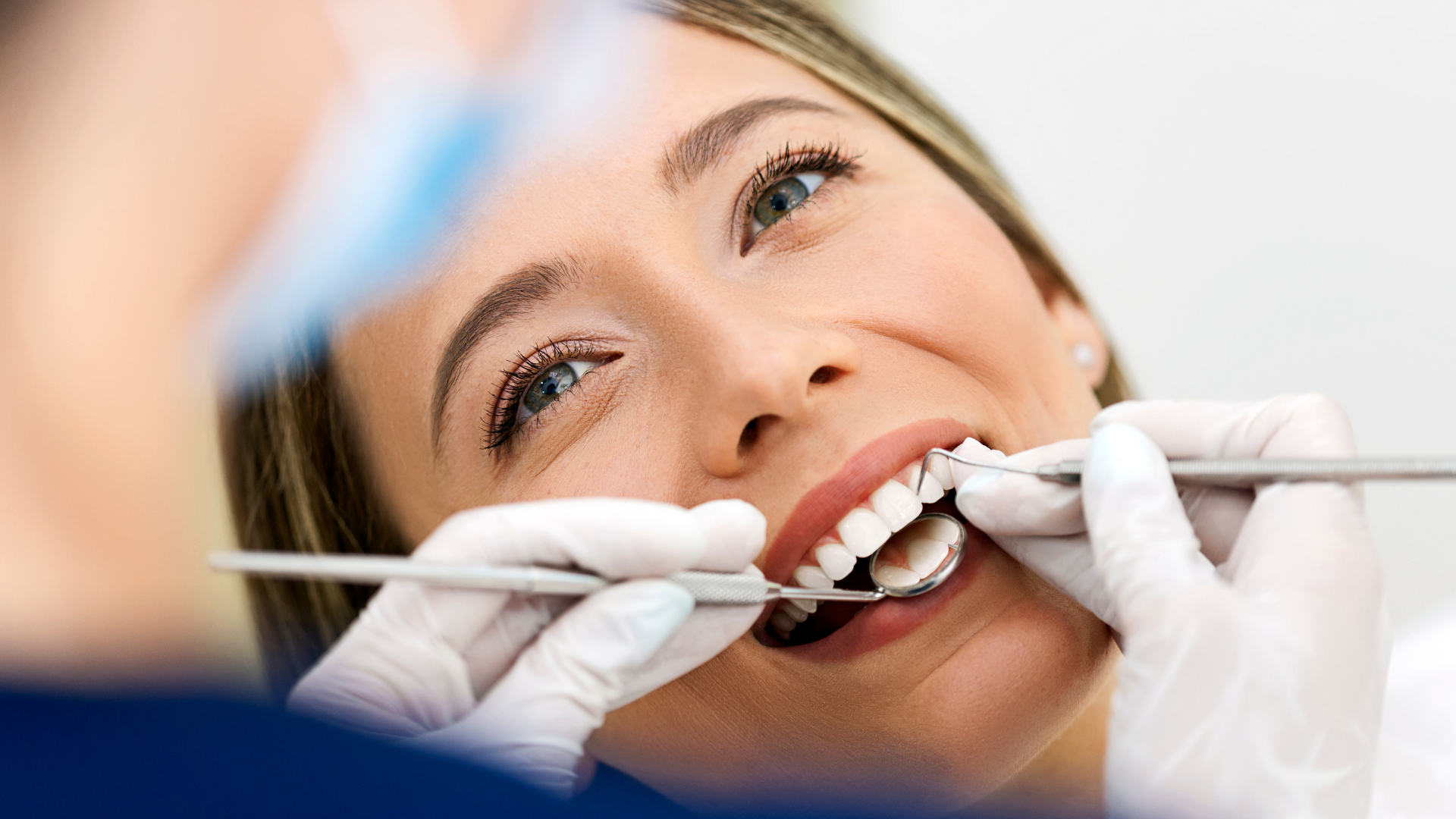
Taking care of your oral and dental health is important because it affects your overall well-being, including your ability to chew, speak, and feel confident in daily life. Today, people have more options for dental treatment, including private dental clinics and hospitals.
One common question is: “What are the advantages of receiving dental treatment in a hospital, and how is it different from visiting a general dental clinic?”
1. High Standards of Safety, Sterilisation, and Emergency Preparedness
Hospitals follow established safety and infection-control standards covering medical instruments, sterilisation procedures, treatment environments, and healthcare personnel.
If an emergency or complication occurs, such as:
๐ An allergic reaction to local anaesthetic
๐ Fainting
๐ Abnormal blood pressure
๐ Complications during or after surgery
The hospital’s medical team can provide immediate assistance. This level of emergency readiness is an important advantage, particularly for patients undergoing complex procedures or those with underlying health conditions.
2. Access to Dentists from Multiple Specialities
Hospitals often have dental specialists covering a wide range of fields, including:
๐ Oral and maxillofacial surgery
๐ Endodontics or root canal treatment
๐ Periodontics and periodontal surgery
๐ Orthodontics
๐ Prosthodontics
๐ Dental implant treatment
๐ Cosmetic dentistry
๐ Occlusion and temporomandibular joint care for people with teeth grinding or jaw-joint problems
๐ Geriatric dentistry
๐ Dentistry for patients with special healthcare needs
The main benefit is that several specialists can work together and develop a comprehensive treatment plan in one location.
This is particularly suitable for patients with complicated dental conditions or those requiring several stages of treatment.
3. Comprehensive Dental Equipment and Accurate Diagnosis
Hospitals are generally equipped with advanced diagnostic and treatment technology, such as:
๐ Cone Beam Computed Tomography, or CBCT
๐ Standardised operating rooms
๐ Specialised equipment for complex or high-risk procedures
These technologies help dentists diagnose conditions more accurately and reduce treatment risks.
They are especially useful for difficult wisdom-tooth surgery, implant treatment, and procedures performed close to important nerves or anatomical structures.
4. Suitable for Older Adults and Patients with Underlying Conditions
People with underlying health conditions may have a greater risk of complications during dental treatment.
These conditions may include:
๐ Diabetes
๐ High blood pressure
๐ Heart disease
๐ Other chronic medical conditions
Older adults may also require additional assessment before receiving dental treatment.
In a hospital, dentists can consult doctors from other medical departments, evaluate the patient’s overall health, and adjust the treatment plan accordingly. This helps reduce risks and improves the safety of treatment.
5. Standardised Medical Records and Follow-Up Systems
Hospital dental departments use organised medical-record systems to store information about diagnoses, treatment plans, procedures, medicines, and follow-up appointments.
This makes it easier to monitor treatment results over the long term.
Even when the patient changes dentists, the new dentist can review previous records and continue the treatment appropriately. This supports greater continuity and efficiency of care.
6. Reasonable Costs and Access to Healthcare Benefits
Many hospitals accept a wide range of healthcare and payment benefits, including:
๐ Private health and dental insurance
๐ Social Security benefits
๐ Hospital birthday-month promotions
๐ Discount coupons and special seasonal offers
These benefits may help make treatment costs more manageable, particularly for expensive or complicated procedures such as surgery and multi-stage dental treatment.
Summary
Hospital-based dental care offers several advantages, including strong safety systems, high sterilisation standards, emergency support, access to multiple dental specialists, advanced diagnostic technology, and coordinated care with other medical departments.
It may be especially suitable for:
๐ Patients with complicated dental conditions
๐ People who require treatment from several dental specialists
๐ Older adults
๐ Patients with chronic medical conditions
๐ People undergoing surgery or other high-risk dental procedures
Choosing the most appropriate dental facility should depend on the complexity of the condition, the patient’s overall health, the required treatment, and personal preferences.
Reference :
Independent Writer
Share this article
More Articles
Discover more insights on health care and medical tourism.

Medical Wellness by Hertitude: Longevity Medicine at Aman Nai Lert Bangkok
On the 8th floor of Aman Nai Lert Bangkok, within the seven-acre green seclusion of Nai Lert Park in the heart of the city's Lumphini district, sits Medical Wellness by Hertitude Clinic a physician-led longevity and wellness practice built into one of Bangkok's most private luxury addresses. The clinic occupies part of the hotel's 1,500-square-metre Aman Spa & Wellness centre, positioned on its own floor alongside the Aman Spa above it, forming what the hotel describes as a seamless synthesis of advanced medical wellness and traditional Thai healing.
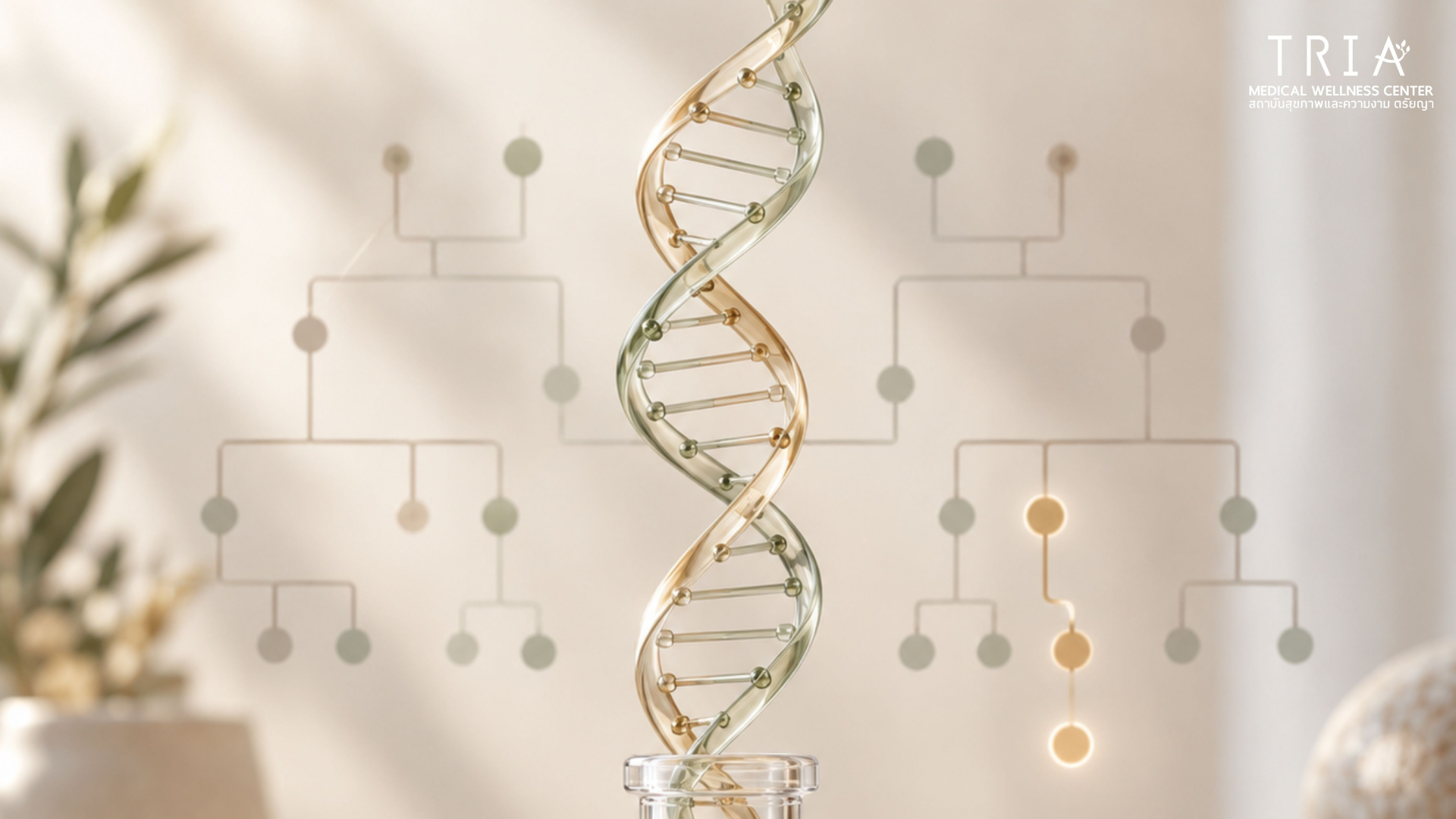
Genetic Testing for Cancer Risk: Understanding Your Inherited Blueprint for Prevention
Cancer develops through a complex combination of genetic, environmental and lifestyle factors. While behaviors such as smoking, alcohol consumption, diet, physical activity and exposure to certain harmful substances can influence cancer risk, inherited genetic variants can also make some individuals more susceptible to certain types of cancer.
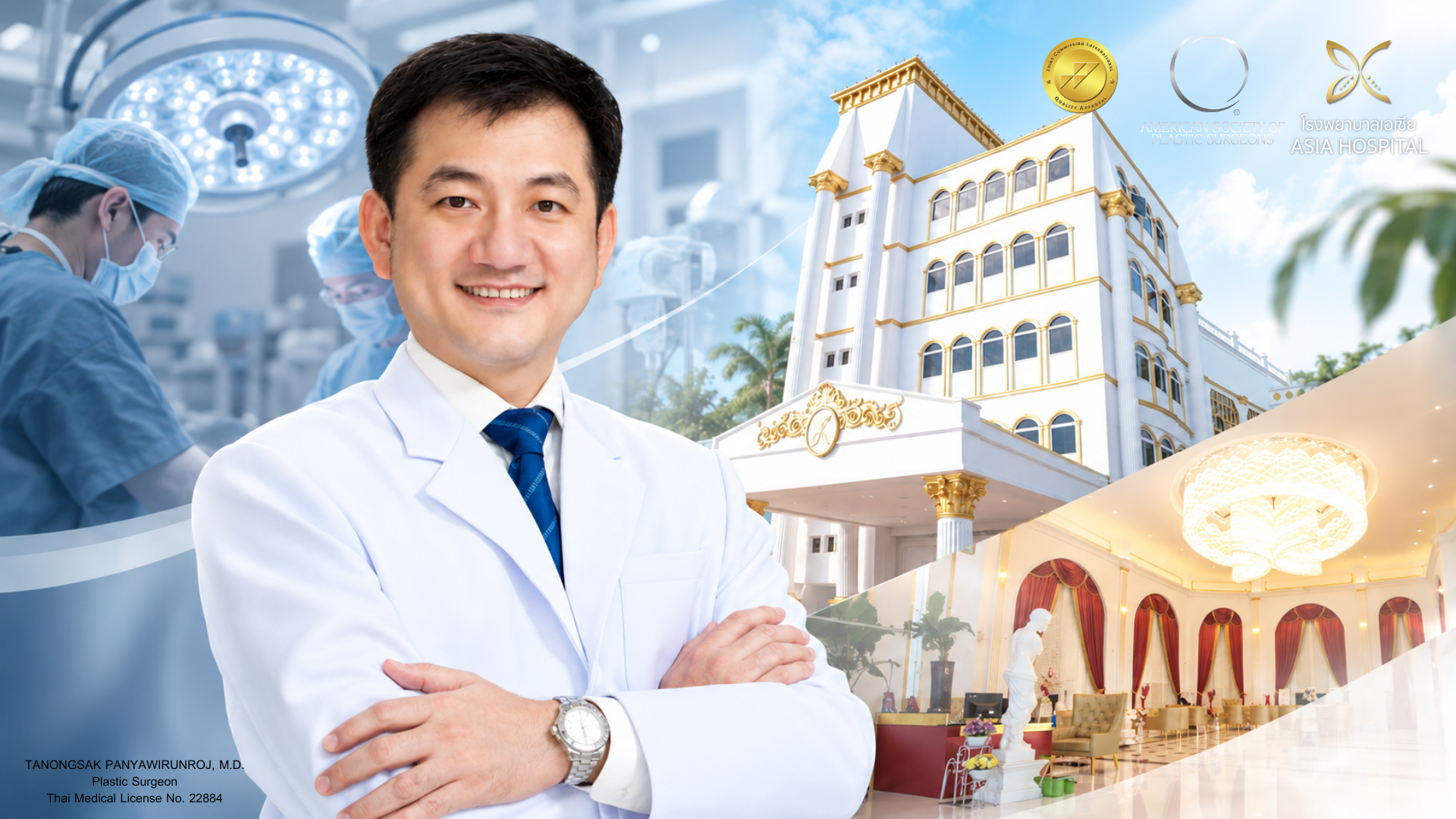
Behind the Surgery: Getting to Know Dr. Tanongsak Panyawirunroj of Asia Cosmetic Hospital
When people think of plastic surgery, they often focus first on what can be seen after a procedure the shape of the face, the nose, the eyes, the breasts, or the contours of the body. Yet behind every visible change lies a far more complex process involving anatomical knowledge, surgical experience, patient assessment, and a series of medical decisions made before, during, and after surgery.