Treating Depression with Transcranial Magnetic Stimulation (TMS)

Depression is a mental health condition that can significantly affect a person’s quality of life. Although medication and psychotherapy are widely used treatments, some patients may not experience sufficient improvement, may respond slowly, or may develop side effects from medication.
Transcranial Magnetic Stimulation, or TMS, is therefore another safe and promising treatment option, particularly for people who have not responded well to conventional treatment.
What Is TMS?
TMS uses low- or high-frequency magnetic pulses to stimulate areas of the brain involved in mood regulation.
The treatment commonly targets the left dorsolateral prefrontal cortex, an area in the front-left part of the brain that has been found to show reduced activity in people with depression.
TMS has been studied for many years. Research from organisations such as the United States National Institute of Mental Health and studies published in journals including JAMA Psychiatry have found that TMS can significantly improve symptoms in patients with depression who have not responded adequately to medication.
Possible side effects are generally mild, such as a slight headache, which often resolves on its own.
Benefits of TMS Treatment
๐ It does not require surgery.
๐ It does not require medication.
๐ Each treatment session takes a relatively short time.
๐ Patients can usually return to their normal daily activities after each session.
๐ It is supported by clinical research.
๐ It may be suitable for patients who have not responded to conventional depression treatments.
TMS may therefore be an appropriate option for people seeking a safe, research-supported treatment that causes minimal disruption to their daily routine.
For anyone experiencing depression, or supporting someone close to them with the condition, consulting a doctor about TMS may be an important step towards emotional recovery and an improved quality of life.
Reference :
Independent Writer
Share this article
More Articles
Discover more insights on health care and medical tourism.
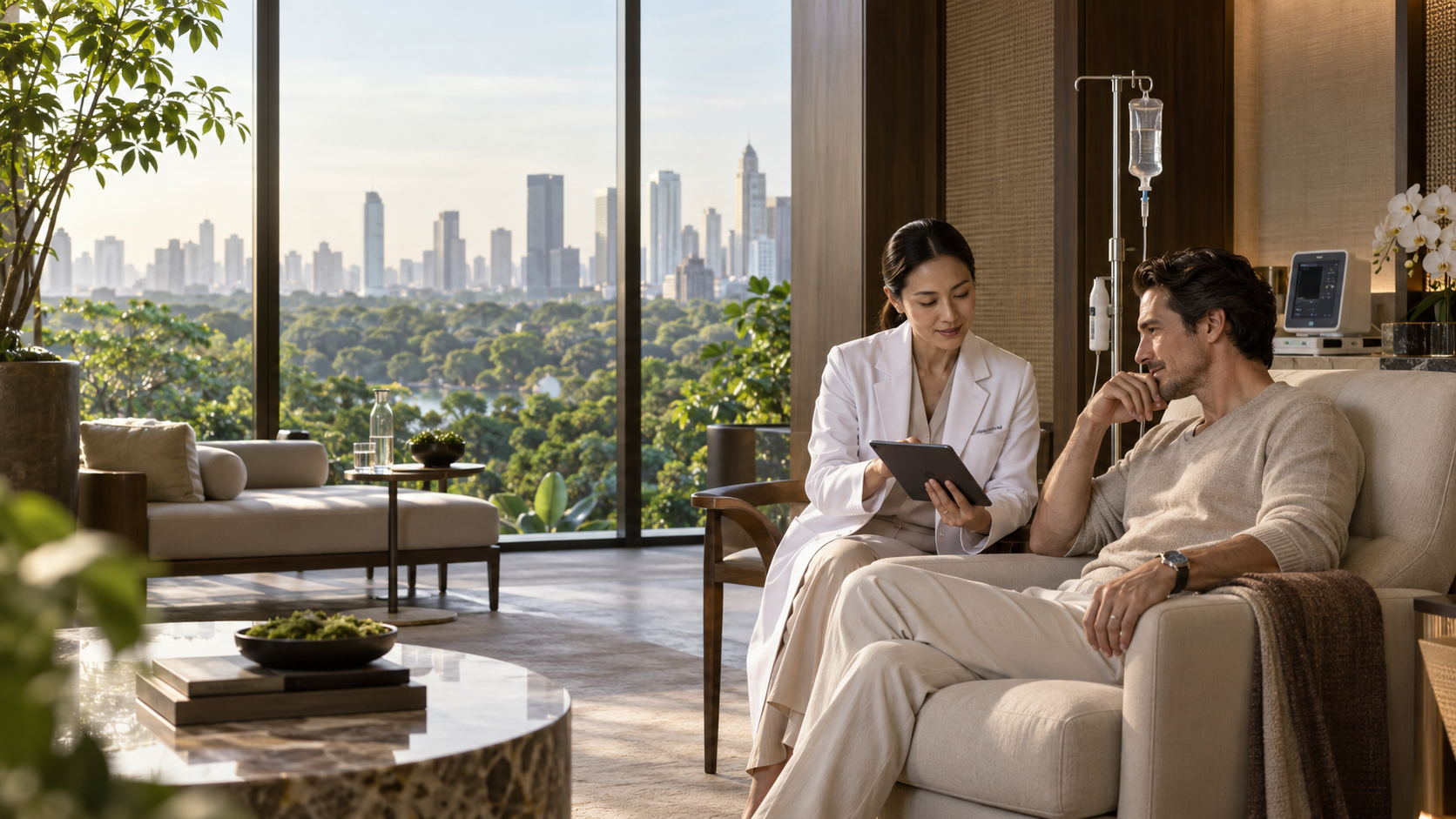
Medical Wellness by Hertitude: Longevity Medicine at Aman Nai Lert Bangkok
On the 8th floor of Aman Nai Lert Bangkok, within the seven-acre green seclusion of Nai Lert Park in the heart of the city's Lumphini district, sits Medical Wellness by Hertitude Clinic a physician-led longevity and wellness practice built into one of Bangkok's most private luxury addresses. The clinic occupies part of the hotel's 1,500-square-metre Aman Spa & Wellness centre, positioned on its own floor alongside the Aman Spa above it, forming what the hotel describes as a seamless synthesis of advanced medical wellness and traditional Thai healing.
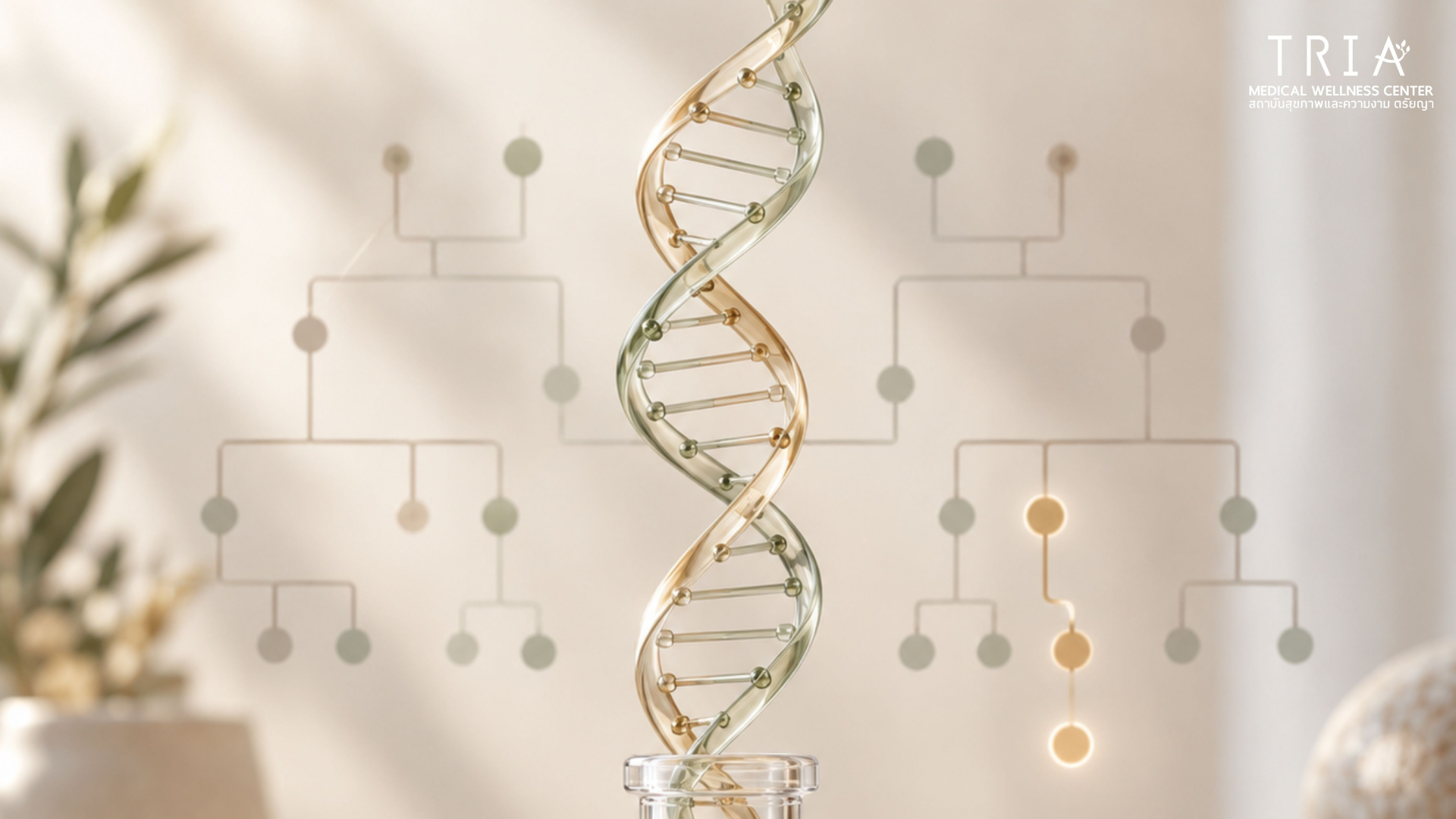
Genetic Testing for Cancer Risk: Understanding Your Inherited Blueprint for Prevention
Cancer develops through a complex combination of genetic, environmental and lifestyle factors. While behaviors such as smoking, alcohol consumption, diet, physical activity and exposure to certain harmful substances can influence cancer risk, inherited genetic variants can also make some individuals more susceptible to certain types of cancer.
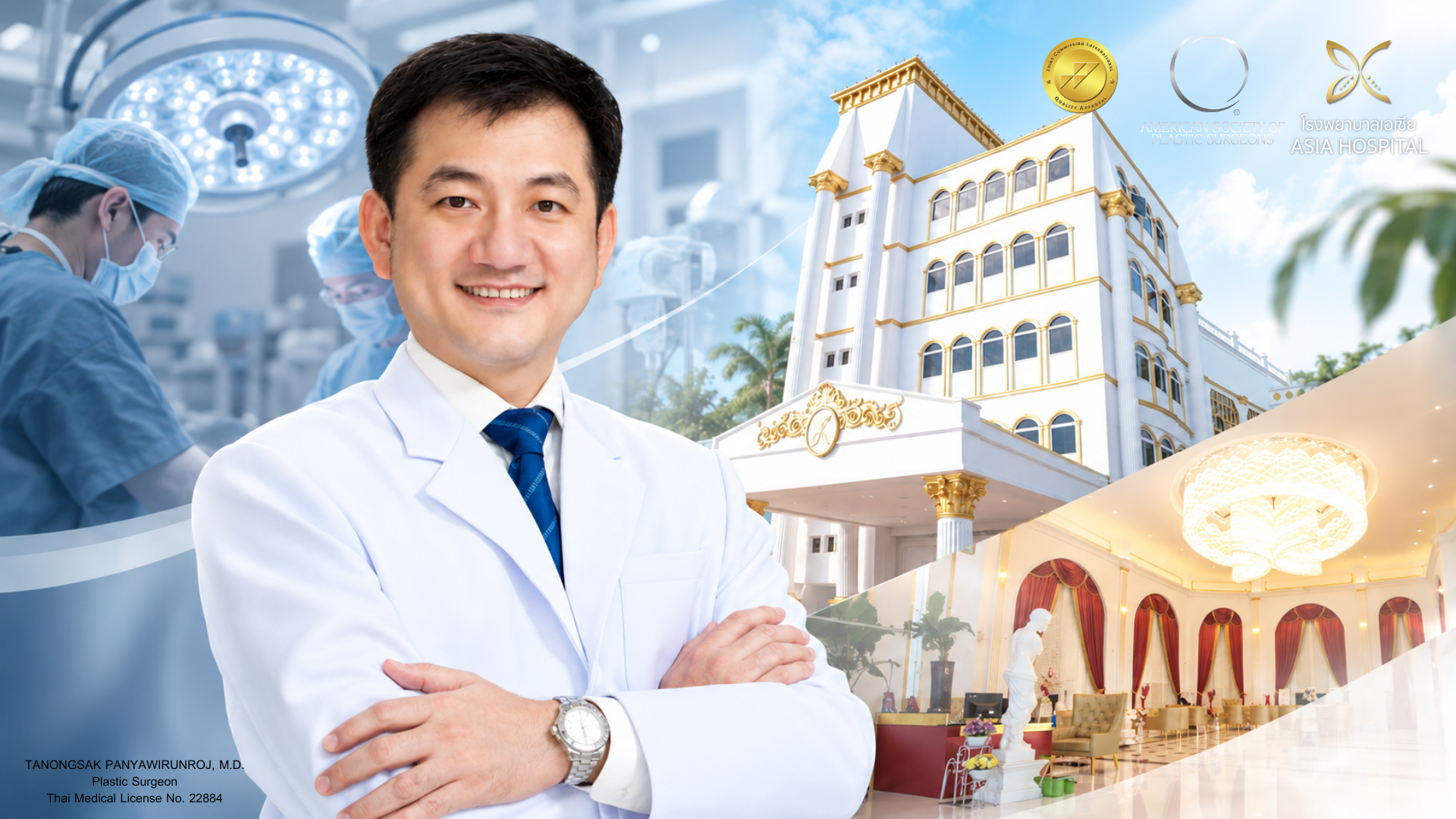
Behind the Surgery: Getting to Know Dr. Tanongsak Panyawirunroj of Asia Cosmetic Hospital
When people think of plastic surgery, they often focus first on what can be seen after a procedure the shape of the face, the nose, the eyes, the breasts, or the contours of the body. Yet behind every visible change lies a far more complex process involving anatomical knowledge, surgical experience, patient assessment, and a series of medical decisions made before, during, and after surgery.