Six Common Eye Diseases in Older Adults
The eye is one of the organs that deteriorates with age. Vision commonly begins to decline as people grow older, especially after the age of 40. Therefore, regular eye examinations are recommended at least once a year.
1. Cataracts - The lens becomes cloudy, causing blurred vision. Patients may see overlapping images and become sensitive to bright light.
2. Glaucoma - Increased intraocular pressure damages the optic nerve. The condition usually has no warning symptoms until vision loss occurs.
3. Presbyopia - The lens loses its elasticity, making distant vision unclear.
4. Age-related Macular Degeneration (AMD) - Degeneration of the macula causes loss of central vision, while peripheral vision remains intact.
5. Hypertensive Retinopathy - High blood pressure damages the blood vessels and nervous system of the eye, resulting in impaired vascular function.
6.Floaters - Appear as black spots or thread-like lines floating in the visual field and may be accompanied by flashes of light.
Reference :
Kasemrad Chachoengsao Hospital Six Common Eye Diseases in Older Adults
Independent Writer
Share this article
More Articles
Discover more insights on health care and medical tourism.

Medical Wellness by Hertitude: Longevity Medicine at Aman Nai Lert Bangkok
On the 8th floor of Aman Nai Lert Bangkok, within the seven-acre green seclusion of Nai Lert Park in the heart of the city's Lumphini district, sits Medical Wellness by Hertitude Clinic a physician-led longevity and wellness practice built into one of Bangkok's most private luxury addresses. The clinic occupies part of the hotel's 1,500-square-metre Aman Spa & Wellness centre, positioned on its own floor alongside the Aman Spa above it, forming what the hotel describes as a seamless synthesis of advanced medical wellness and traditional Thai healing.

Genetic Testing for Cancer Risk: Understanding Your Inherited Blueprint for Prevention
Cancer develops through a complex combination of genetic, environmental and lifestyle factors. While behaviors such as smoking, alcohol consumption, diet, physical activity and exposure to certain harmful substances can influence cancer risk, inherited genetic variants can also make some individuals more susceptible to certain types of cancer.
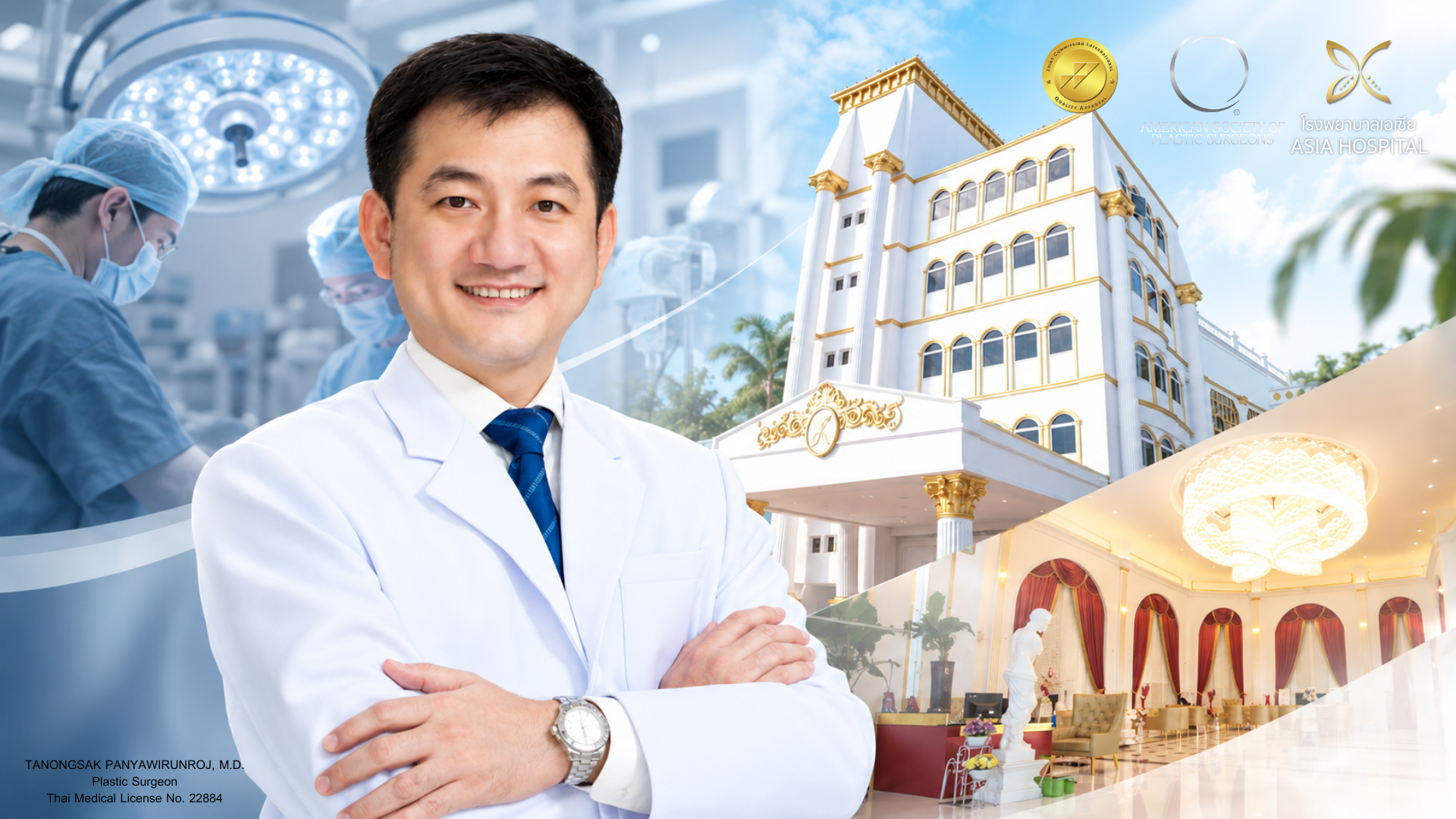
Behind the Surgery: Getting to Know Dr. Tanongsak Panyawirunroj of Asia Cosmetic Hospital
When people think of plastic surgery, they often focus first on what can be seen after a procedure the shape of the face, the nose, the eyes, the breasts, or the contours of the body. Yet behind every visible change lies a far more complex process involving anatomical knowledge, surgical experience, patient assessment, and a series of medical decisions made before, during, and after surgery.