Six Common Cancers Among Thai People
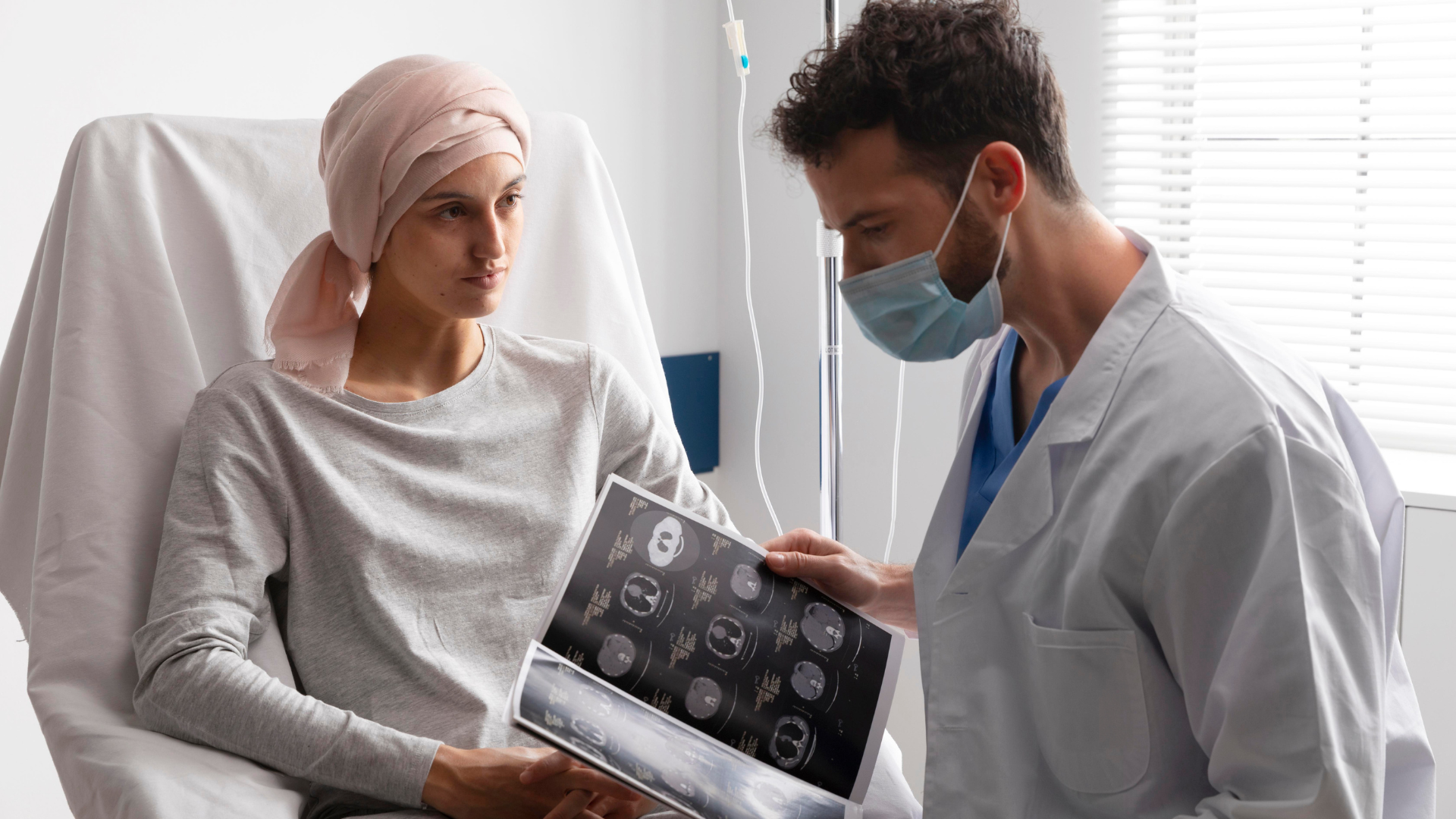
Cancer usually develops through a combination of internal and external factors. It is rarely possible to identify a single cause because each person has different genetics, health conditions, environmental exposures, and lifestyle habits.
Six Common Types of Cancer
The infographic highlights six groups of cancer commonly found among Thai people:
๐ Liver and intrahepatic bile duct cancer
๐ Colorectal cancer
๐ Cervical cancer
๐ Breast cancer
๐ Lung and bronchial cancer
๐ Prostate and testicular cancers
The frequency of each cancer differs between men and women because of biological, hormonal, behavioural, and environmental factors.
Common Cancer Risk Factors
Age
The risk of many cancers increases with age because cells accumulate genetic changes over time. However, cancer can also occur in younger people.
Genetics and Family History
Inherited genetic abnormalities may increase the risk of certain cancers. People with a strong family history of cancer may require earlier or more frequent screening.
Hormonal Imbalance
Hormones can influence the growth of certain cancers, particularly breast, uterine, ovarian, and prostate cancers.
Unhealthy Diet
Eating large amounts of high-fat, highly processed, smoked, salted, or preserved foods may increase the risk of some cancers.
A diet low in vegetables, fruit, and dietary fibre may also contribute to colorectal and other digestive cancers.
Alcohol Consumption
Regular or excessive alcohol consumption is associated with several cancers, including cancers of the:
๐ Liver
๐ Mouth and throat
๐ Oesophagus
๐ Breast
๐ Colon and rectum
Smoking
Smoking is strongly associated with lung cancer, but it can also increase the risk of many other cancers, including:
๐ Oral and throat cancer
๐ Oesophageal cancer
๐ Stomach cancer
๐ Liver cancer
๐ Pancreatic cancer
๐ Bladder cancer
Exposure to second-hand smoke may also increase health risks.
Regular Exposure to Chemicals
Repeated exposure to certain industrial chemicals, pesticides, asbestos, air pollution, or other carcinogenic substances may increase cancer risk, particularly when appropriate protective equipment is not used.
Lack of Physical Activity
Physical inactivity may contribute to obesity, hormonal changes, insulin resistance, and chronic inflammation. These conditions are associated with a greater risk of several cancers.
Reducing the Risk of Cancer
Although not every cancer can be prevented, the risk may be reduced by:
๐ Avoiding smoking and second-hand smoke
๐ Limiting alcohol consumption
๐ Maintaining a healthy body weight
๐ Exercising regularly
๐ Eating vegetables, fruit, whole grains, and fibre-rich foods
๐ Limiting processed meat, high-fat food, and heavily preserved food
๐ Using protective equipment when working with hazardous chemicals
๐ Receiving recommended hepatitis B and HPV vaccinations
๐ Attending age-appropriate cancer screening
Cancer screening can help detect some cancers or precancerous changes before symptoms develop. The appropriate screening programme depends on age, sex, medical history, and individual risk factors.
Early diagnosis and timely treatment can improve the chance of successful treatment and reduce the risk of serious complications.
Reference :
Independent Writer
Share this article
More Articles
Discover more insights on health care and medical tourism.
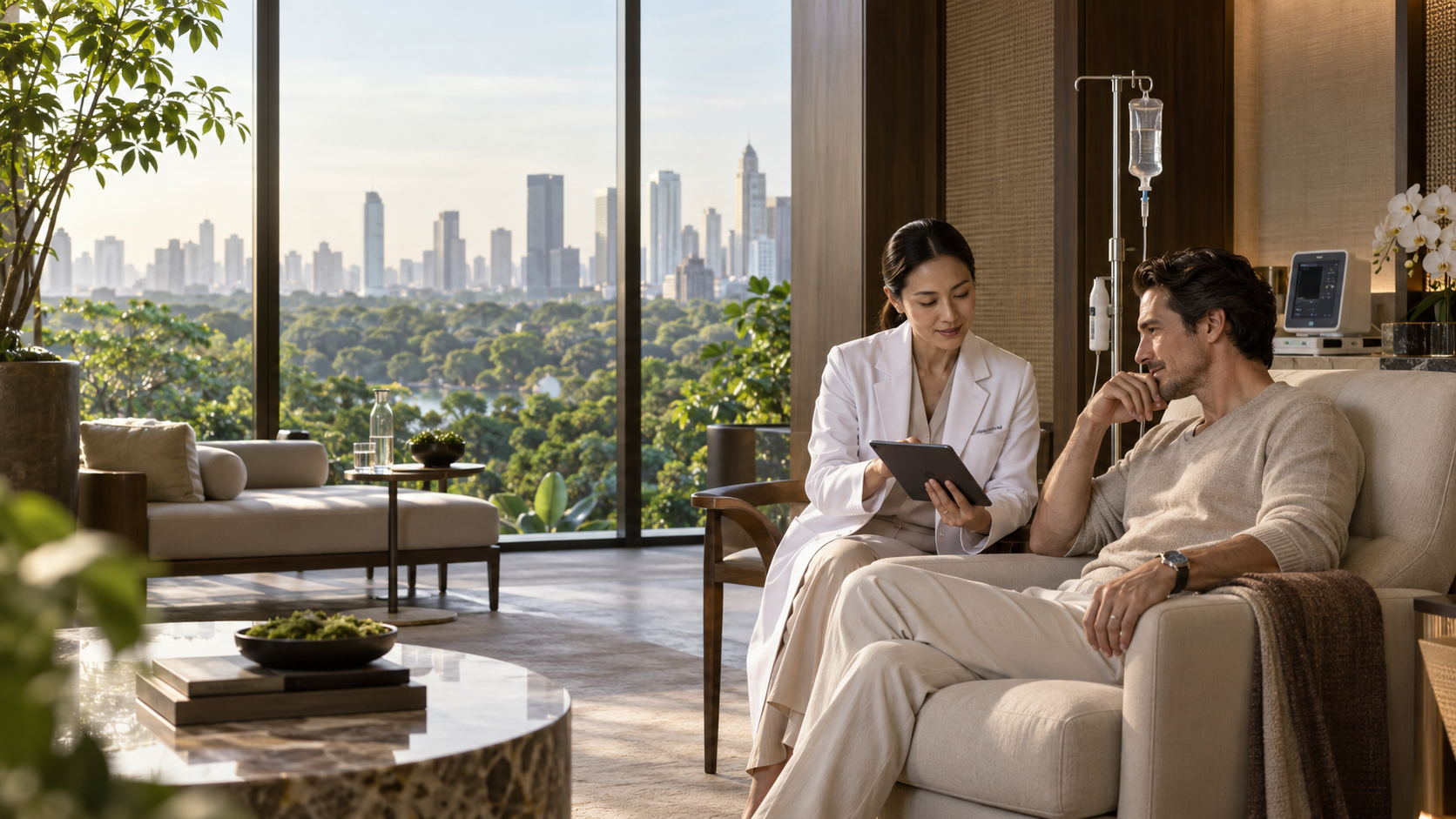
Medical Wellness by Hertitude: Longevity Medicine at Aman Nai Lert Bangkok
On the 8th floor of Aman Nai Lert Bangkok, within the seven-acre green seclusion of Nai Lert Park in the heart of the city's Lumphini district, sits Medical Wellness by Hertitude Clinic a physician-led longevity and wellness practice built into one of Bangkok's most private luxury addresses. The clinic occupies part of the hotel's 1,500-square-metre Aman Spa & Wellness centre, positioned on its own floor alongside the Aman Spa above it, forming what the hotel describes as a seamless synthesis of advanced medical wellness and traditional Thai healing.
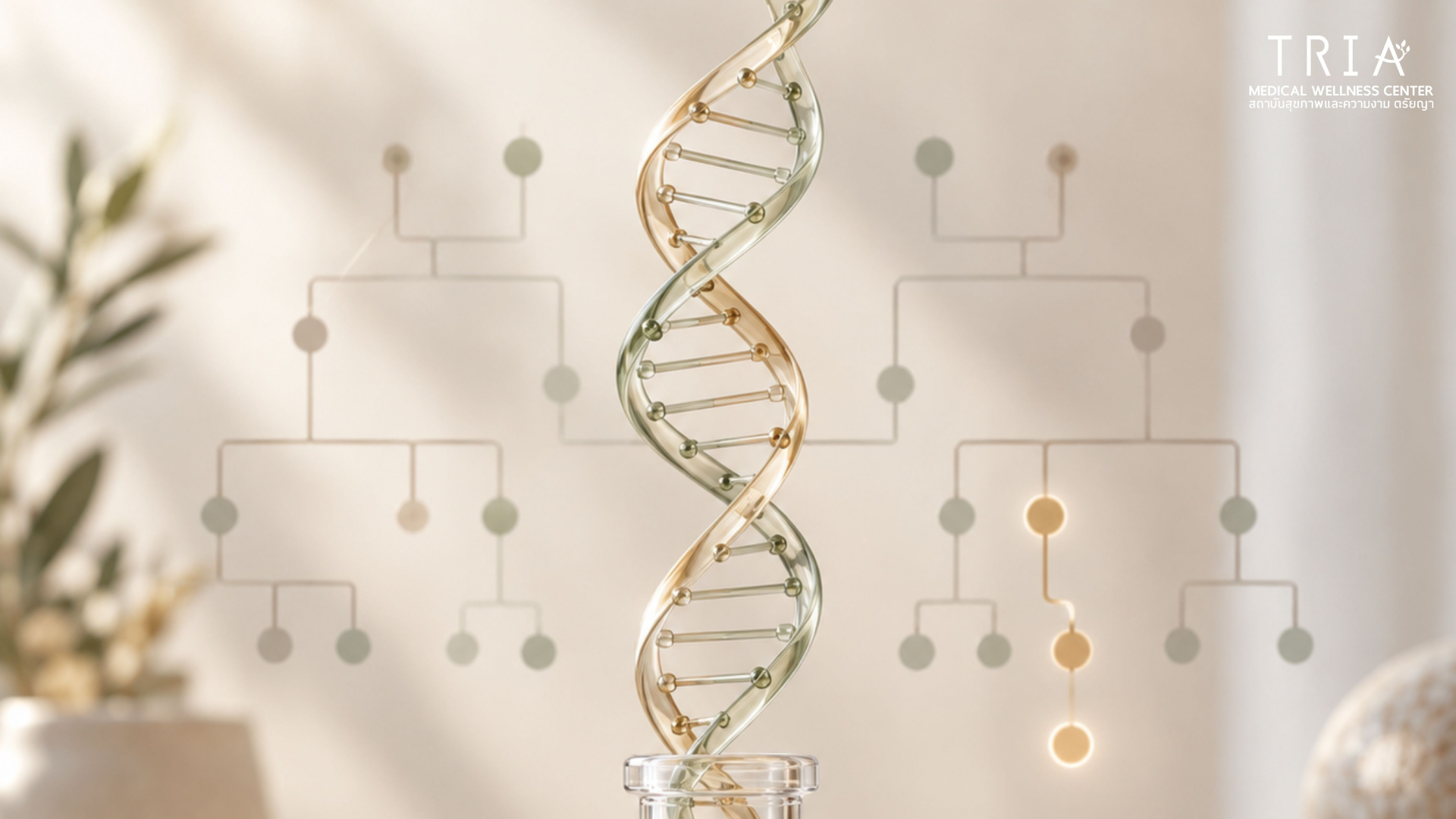
Genetic Testing for Cancer Risk: Understanding Your Inherited Blueprint for Prevention
Cancer develops through a complex combination of genetic, environmental and lifestyle factors. While behaviors such as smoking, alcohol consumption, diet, physical activity and exposure to certain harmful substances can influence cancer risk, inherited genetic variants can also make some individuals more susceptible to certain types of cancer.
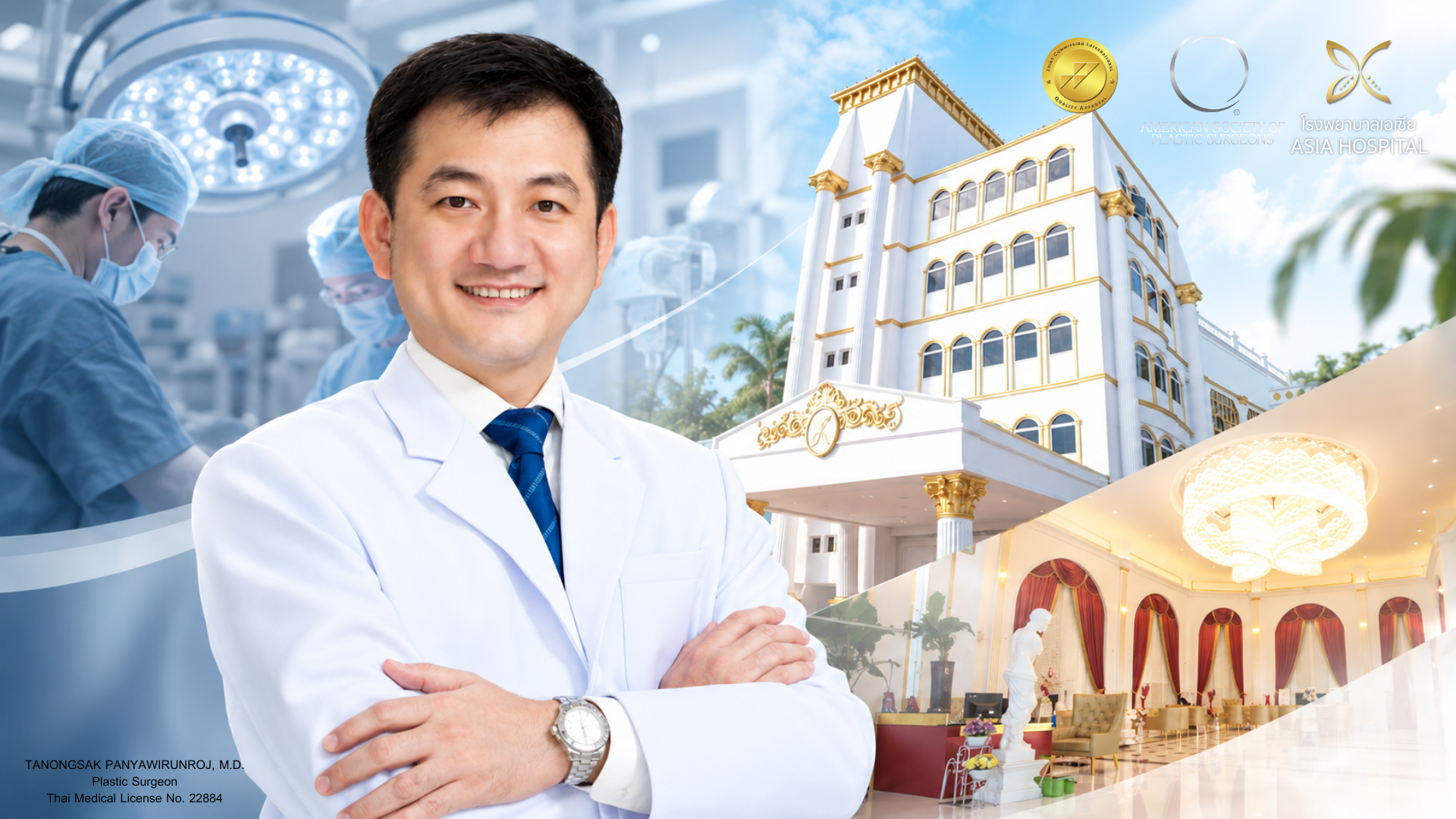
Behind the Surgery: Getting to Know Dr. Tanongsak Panyawirunroj of Asia Cosmetic Hospital
When people think of plastic surgery, they often focus first on what can be seen after a procedure the shape of the face, the nose, the eyes, the breasts, or the contours of the body. Yet behind every visible change lies a far more complex process involving anatomical knowledge, surgical experience, patient assessment, and a series of medical decisions made before, during, and after surgery.