Seven Stool Types and What They May Indicate About Your Health
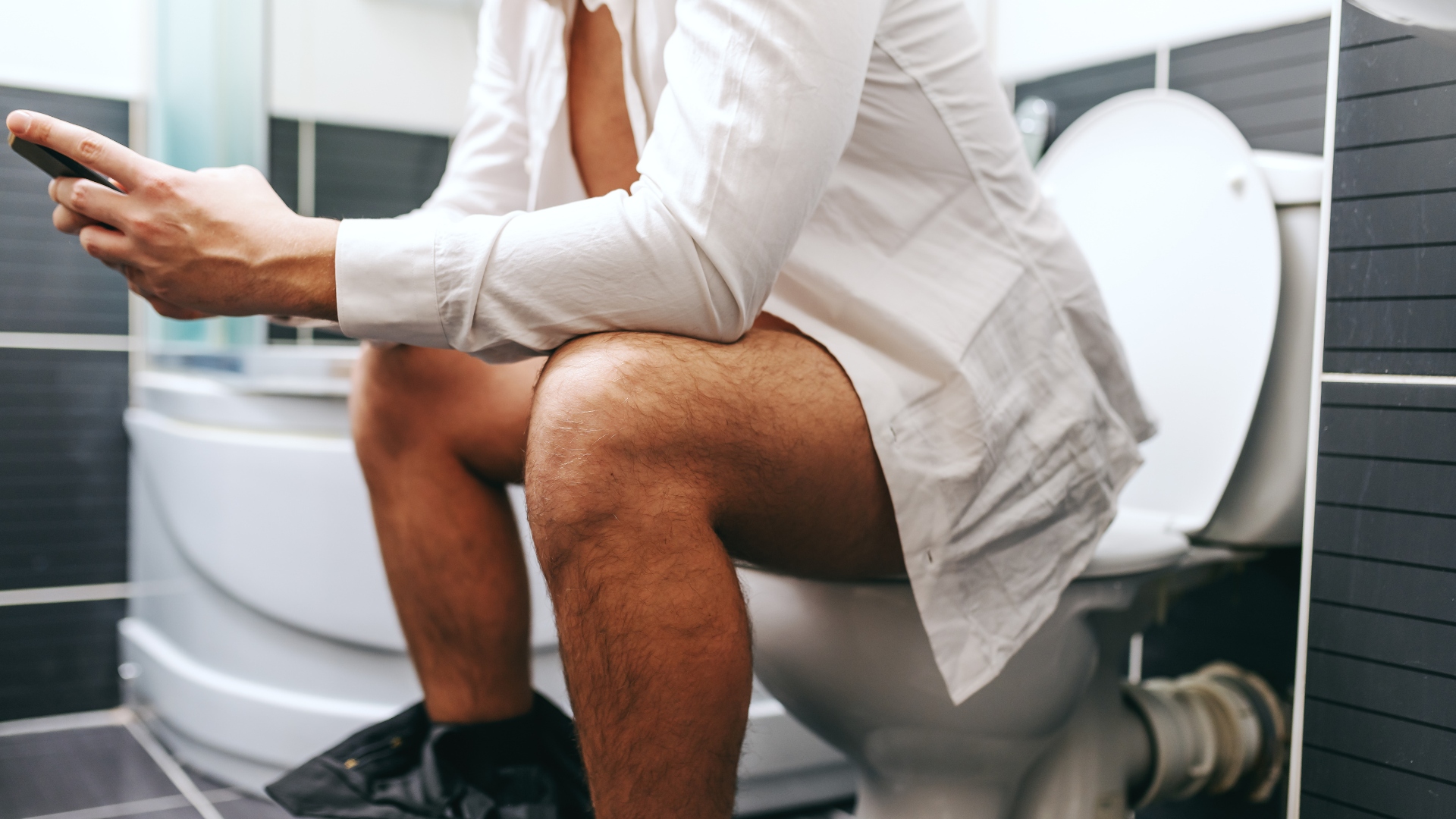
Changes in stool may sometimes occur together with abdominal pain, dizziness, fatigue, nausea, or other symptoms. However, stool appearance alone cannot confirm a diagnosis.
1. Separate Hard, Dry Lumps
Stool that appears as separate hard pellets is commonly associated with constipation.
This occurs when stool moves slowly through the large intestine, allowing too much water to be absorbed. The stool then becomes dry, hard, and difficult to pass.
Other symptoms may include:
๐ Straining during bowel movements
๐ Abdominal discomfort
๐ Pain while passing stool
๐ A sensation of incomplete emptying
๐ Fewer bowel movements than usual
Persistent constipation, significant bleeding, severe abdominal pain, or alternating constipation and diarrhoea should be assessed by a doctor.
2. Hard, Lumpy, Sausage-Shaped Stool
This type of stool forms one long piece but remains hard, dry, and lumpy.
It also suggests constipation, although it may be slightly less severe than separate hard pellets.
Possible contributing factors include:
๐ Insufficient dietary fibre
๐ Inadequate fluid intake
๐ Delaying bowel movements
๐ Limited physical activity
๐ Certain medicines
๐ Age-related changes in bowel function
Increasing fibre and fluid intake gradually may help, although persistent symptoms require medical assessment.
3. Sausage-Shaped Stool with Cracks on the Surface
Stool that is formed and relatively soft but has small cracks on the surface is generally considered close to normal.
It usually indicates that stool contains enough moisture to pass without significant difficulty, although it may be slightly firmer than ideal.
This pattern may reflect:
๐ Adequate hydration
๐ Reasonable fibre intake
๐ Normal movement through the intestines
๐ Effective bowel function
4. Smooth, Soft, Sausage- or Snake-Shaped Stool
Smooth, soft, well-formed stool is generally considered the ideal stool type.
It is usually easy to pass and may have a gently tapered end.
This type commonly suggests:
๐ Good hydration
๐ Adequate fibre intake
๐ Normal bowel transit time
๐ Balanced digestive function
A healthy bowel pattern does not require stool to look exactly the same every day, but this form is generally associated with comfortable bowel movements.
5. Soft Blobs with Clear Edges
Small, soft pieces that are easy to pass may occur when stool moves through the bowel slightly faster than normal.
This type may be associated with:
๐ Low fibre intake
๐ A change in diet
๐ Mild digestive irritation
๐ The beginning or end of a mild episode of diarrhoea
Although it is usually easy to pass, frequent stool of this type may indicate that the digestive system is not forming stool as effectively as usual.
6. Mushy Stool with Ragged Edges
Loose, mushy stool that is not completely watery may indicate mild diarrhoea or accelerated movement through the intestines.
Possible causes include:
๐ Gastrointestinal infection
๐ Food poisoning
๐ Spicy or irritating foods
๐ Excessive alcohol consumption
๐ Food intolerance
๐ Stress or anxiety
๐ Certain medicines, including antibiotics
Associated symptoms may include abdominal cramps, urgency, bloating, and frequent bowel movements.
7. Completely Watery Stool
Watery stool with no solid pieces is considered diarrhoea.
Diarrhoea is commonly defined as passing loose or watery stool three or more times in one day.
Possible symptoms include:
๐ Abdominal pain or cramping
๐ Nausea
๐ Vomiting
๐ Weakness
๐ Fever
๐ Dehydration
Many mild cases improve within two or three days. However, watery diarrhoea can cause significant fluid and electrolyte loss, particularly in infants, older adults, and people with chronic medical conditions.
When Should You See a Doctor?
Seek medical advice if changes in stool persist or occur with:
๐ Blood in the stool
๐ Black, tarry stool
๐ Pale or clay-coloured stool
๐ Severe or worsening abdominal pain
๐ High fever
๐ Persistent vomiting
๐ Unexplained weight loss
๐ Ongoing constipation or diarrhoea
๐ Signs of dehydration, such as dizziness, dry mouth, reduced urination, or unusual weakness
๐ Alternating constipation and diarrhoea
Supporting Healthy Bowel Movements
General measures that may support normal stool formation include:
๐ Drinking enough water
๐ Eating vegetables, fruit, whole grains, and other fibre-rich foods
๐ Increasing fibre gradually to reduce bloating
๐ Exercising regularly
๐ Avoiding prolonged delay when feeling the urge to pass stool
๐ Limiting excessive alcohol and highly processed foods
๐ Reviewing medicines with a doctor if bowel changes begin after starting a new treatment
Stool shape and consistency are useful for an initial assessment, but they do not identify the exact cause of a digestive problem. Persistent or concerning changes should be evaluated by a healthcare professional.
Reference :
Independent Writer
Share this article
More Articles
Discover more insights on health care and medical tourism.

Medical Wellness by Hertitude: Longevity Medicine at Aman Nai Lert Bangkok
On the 8th floor of Aman Nai Lert Bangkok, within the seven-acre green seclusion of Nai Lert Park in the heart of the city's Lumphini district, sits Medical Wellness by Hertitude Clinic a physician-led longevity and wellness practice built into one of Bangkok's most private luxury addresses. The clinic occupies part of the hotel's 1,500-square-metre Aman Spa & Wellness centre, positioned on its own floor alongside the Aman Spa above it, forming what the hotel describes as a seamless synthesis of advanced medical wellness and traditional Thai healing.

Genetic Testing for Cancer Risk: Understanding Your Inherited Blueprint for Prevention
Cancer develops through a complex combination of genetic, environmental and lifestyle factors. While behaviors such as smoking, alcohol consumption, diet, physical activity and exposure to certain harmful substances can influence cancer risk, inherited genetic variants can also make some individuals more susceptible to certain types of cancer.

Behind the Surgery: Getting to Know Dr. Tanongsak Panyawirunroj of Asia Cosmetic Hospital
When people think of plastic surgery, they often focus first on what can be seen after a procedure the shape of the face, the nose, the eyes, the breasts, or the contours of the body. Yet behind every visible change lies a far more complex process involving anatomical knowledge, surgical experience, patient assessment, and a series of medical decisions made before, during, and after surgery.