Sea Bather’s Eruption
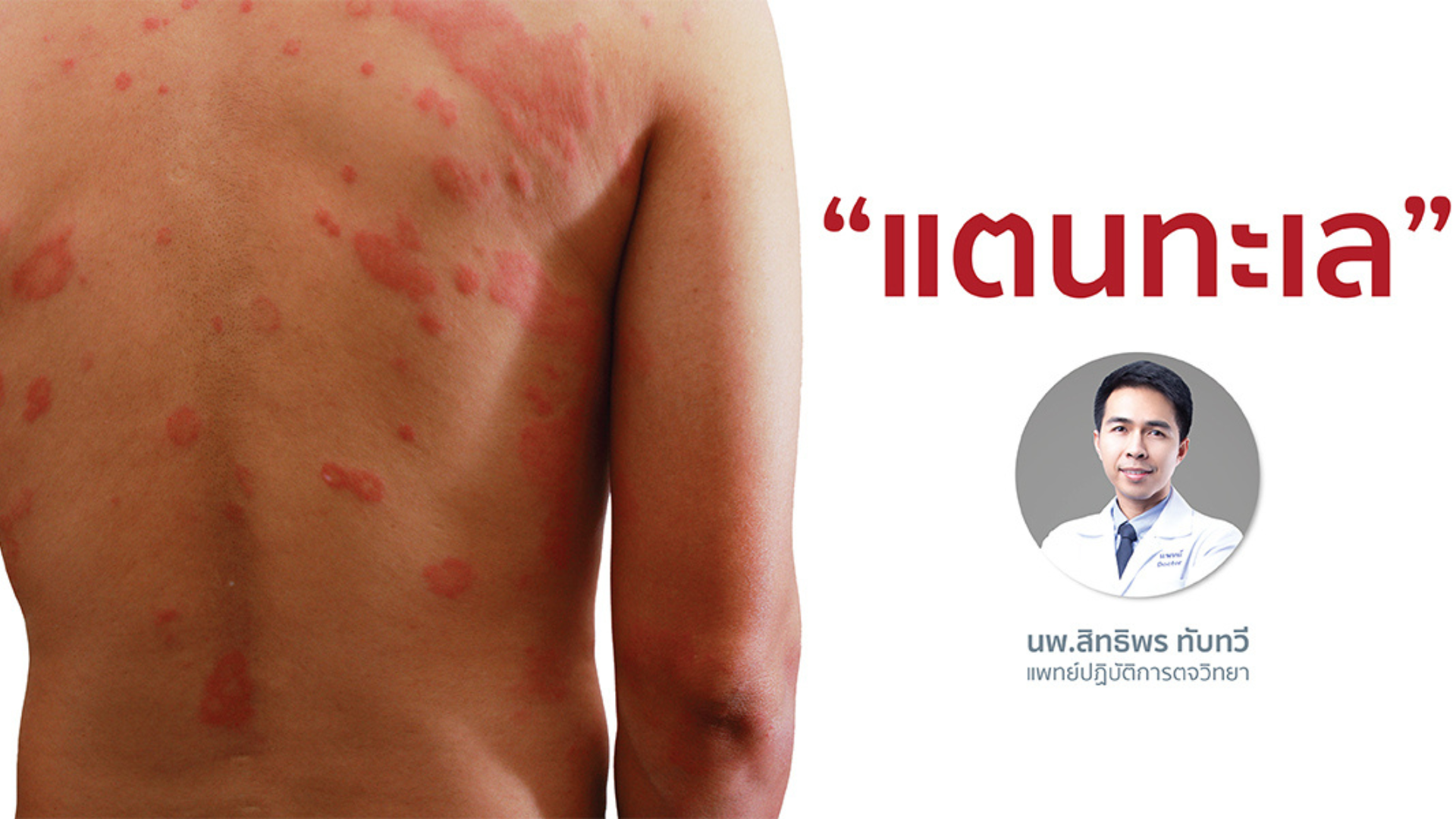
These larvae contain stinging cells called nematocysts, which can release venom when they become trapped against the skin. The condition may occur while swimming, diving, snorkelling, or participating in other seawater activities.
Symptoms of Sea Bather’s Eruption
Symptoms may begin while the person is still in the water or several hours afterwards.
Common signs include:
๐ Intense itching, stinging, or burning
๐ Small red bumps or raised spots
๐ A rash that may resemble insect bites
๐ Skin irritation beneath swimwear, wetsuits, straps, or areas where larvae become trapped
๐ Symptoms that worsen after rubbing the skin or rinsing with fresh water while contaminated clothing is still being worn
The rash and itching may continue for several days and occasionally for one or two weeks. The severity depends on the amount of exposure and the person’s sensitivity to the venom.
What to Do After Exposure
If itching or burning begins while swimming:
๐ Leave the water immediately.
๐ Remove swimwear or the wetsuit as soon as possible.
๐ Avoid rubbing or scratching the affected skin.
๐ Rinse the body with clean seawater before using fresh water, when possible.
๐ Wash contaminated clothing separately before wearing it again.
Fresh water may trigger remaining stinging cells while they are still attached to the skin. After the clothing and visible material have been removed, the person may shower and gently clean the skin.
Treatment
Mild symptoms may improve with simple supportive care.
Treatment may include:
๐ Applying a cool compress to reduce itching and discomfort
๐ Using a topical corticosteroid cream as advised by a doctor or pharmacist
๐ Taking an oral antihistamine to relieve itching
๐ Avoiding scratching, which can damage the skin and increase the risk of infection
๐ Keeping the affected area clean and dry
Young children, pregnant women, and people with underlying medical conditions should consult a healthcare professional before using medication.
When to Seek Immediate Medical Attention
Go to a hospital immediately if the person develops:
๐ Swelling of the face, lips, tongue, or eyelids
๐ Difficulty breathing or wheezing
๐ Dizziness or fainting
๐ Widespread hives
๐ Large, painful, or rapidly worsening skin lesions
๐ Persistent vomiting
๐ Severe weakness or reduced consciousness
These symptoms may indicate a serious allergic reaction requiring urgent treatment.
Prevention
The risk may be reduced by:
๐ Checking local beach warnings before entering the sea
๐ Avoiding swimming during reported jellyfish or sea-larvae outbreaks
๐ Removing swimwear promptly after leaving the water
๐ Washing swimwear thoroughly after use
๐ Avoiding rubbing the skin while still wearing wet swimwear
Sea bather’s eruption is usually not dangerous, but severe allergic symptoms require immediate medical attention.
Reference :
Independent Writer
Share this article
More Articles
Discover more insights on health care and medical tourism.

Medical Wellness by Hertitude: Longevity Medicine at Aman Nai Lert Bangkok
On the 8th floor of Aman Nai Lert Bangkok, within the seven-acre green seclusion of Nai Lert Park in the heart of the city's Lumphini district, sits Medical Wellness by Hertitude Clinic a physician-led longevity and wellness practice built into one of Bangkok's most private luxury addresses. The clinic occupies part of the hotel's 1,500-square-metre Aman Spa & Wellness centre, positioned on its own floor alongside the Aman Spa above it, forming what the hotel describes as a seamless synthesis of advanced medical wellness and traditional Thai healing.

Genetic Testing for Cancer Risk: Understanding Your Inherited Blueprint for Prevention
Cancer develops through a complex combination of genetic, environmental and lifestyle factors. While behaviors such as smoking, alcohol consumption, diet, physical activity and exposure to certain harmful substances can influence cancer risk, inherited genetic variants can also make some individuals more susceptible to certain types of cancer.

Behind the Surgery: Getting to Know Dr. Tanongsak Panyawirunroj of Asia Cosmetic Hospital
When people think of plastic surgery, they often focus first on what can be seen after a procedure the shape of the face, the nose, the eyes, the breasts, or the contours of the body. Yet behind every visible change lies a far more complex process involving anatomical knowledge, surgical experience, patient assessment, and a series of medical decisions made before, during, and after surgery.