Problem with an uneven face, can an overbite be corrected with braces?
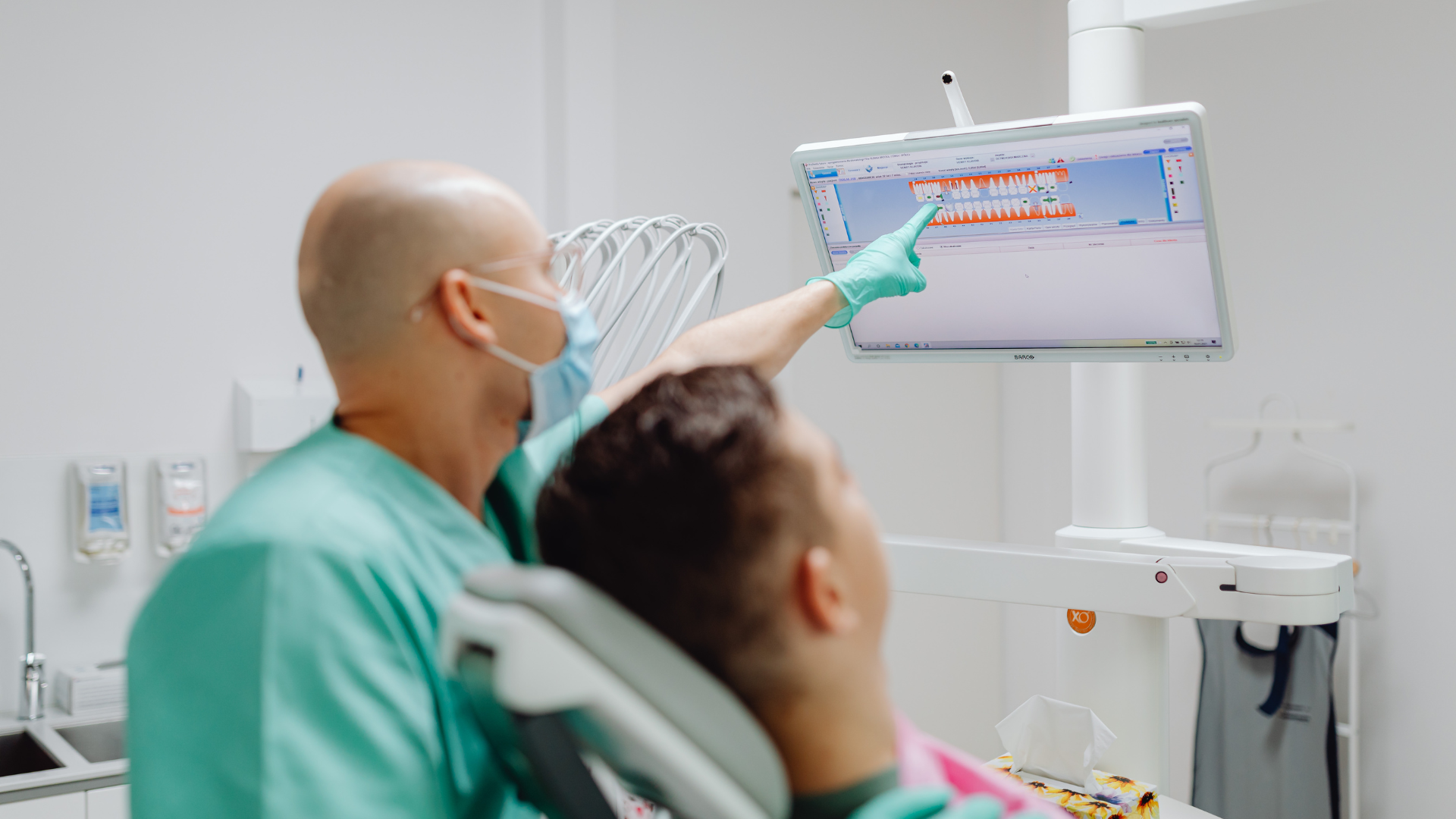
Facing issues with an uneven face that’s affecting your ability to bite properly? Wondering if an overbite can be corrected through braces? This article has answers.
What causes the problem of an uneven face? An uneven face and difficulty biting properly can stem from an overbite, where the lower front teeth protrude more than normal. So, how can this overbite be corrected? Can braces help address this issue? This article provides insights.
What causes an overbite?
An overbite, a bothersome condition, can have various causes. It can be due to genetics, a family history of protruding jaws or abnormalities, hormonal imbalances affecting growth, resulting in excessive jaw growth, leading to an overbite. This condition can range from mild, where daily life is relatively unaffected, to severe cases causing breathing difficulties, speech impediments, and challenges while chewing and speaking.
Can an overbite be corrected with braces?
Absolutely, an overbite can be corrected. The approach depends on the severity of the condition. Treatment may involve standard braces or braces in combination with jaw surgery, tailored to the patient’s needs and determined by a skilled orthodontist.
For milder cases : Traditional braces or clear aligners like Invisalign can be used to address the overbite. This focuses on correcting the lower jaw’s alignment to achieve a proper bite and a visually pleasing result.
For more severe cases : Treatment may require a combination of braces and jaw surgery to precisely target and visibly correct the overbite. The cost of treatment varies depending on the chosen approach, including the materials and tools used.
Before embarking on orthodontic treatment, a thorough examination by an experienced orthodontist is necessary. They will evaluate the severity of the condition and recommend a suitable treatment plan for the best possible outcome.
Three types of overbites that can be corrected with braces without surgery
1.Protruding front and side teeth with a normal bite: If you can still bite comfortably with your front and side teeth without any overlapping or misalignment, this condition is suitable for correction through braces without the need for surgery.
2.Assessment of the jaw’s alignment: An initial assessment by a dentist can determine if your jaw’s alignment is within normal ranges. If you can comfortably bite your lower teeth against your upper teeth, it indicates no significant jaw issues, making you a candidate for non-surgical orthodontic treatment.
3.X-ray showing appropriate jaw length: An X-ray can confirm whether your jaw length is within normal ranges. If the X-ray indicates no abnormalities and a comfortable bite is possible, non-surgical orthodontic correction can be pursued.
Source : DenTa Joy
Independent Writer
Share this article
More Articles
Discover more insights on health care and medical tourism.

Wellness Tourism in Thailand | Why Travelers Come for More Than a Holiday
When people think about Thailand, beaches, street food, temples, and vibrant city life usually come to mind. But in recent years, something has changed. More travelers are arriving with a different purpose — not only to explore, but to improve their wellbeing, reduce stress, undergo preventive health screening, or simply take better care of themselves.

Medical Tourism in Thailand: Where Getting Well Feels Like the Trip of a Lifetime
Imagine waking up in Bangkok, overlooking the Chao Phraya River as long-tail boats drift past your window. Hours later, you've completed a full health screening at a world-class hospital, reviewed your results, and are enjoying iced coffee by a rooftop pool before dinner at Asiatique.
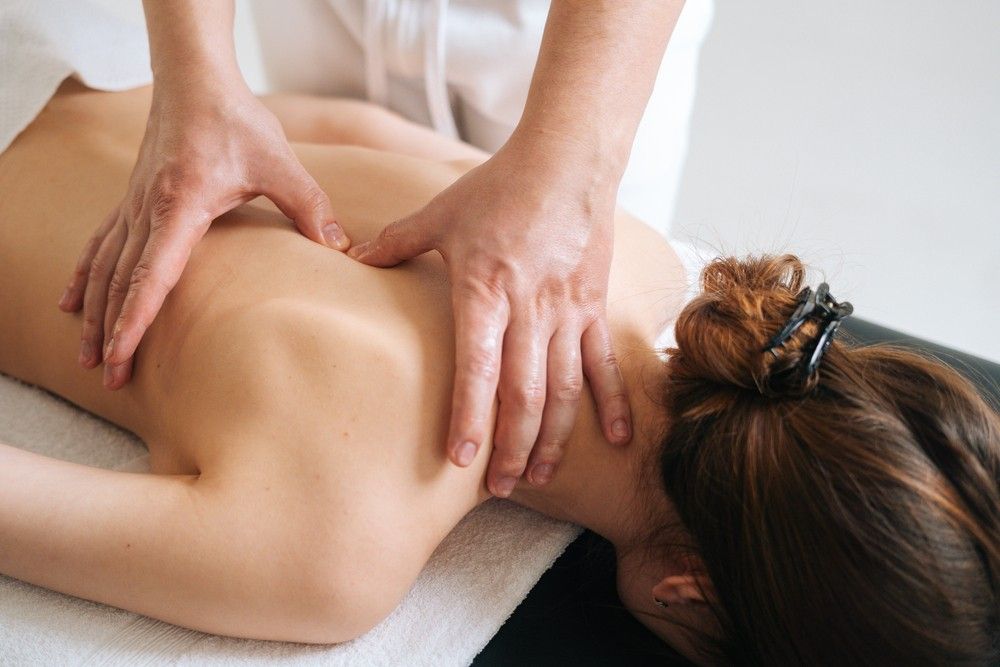
Difference Between “General Massage” and “Anatomy & Wellness Massage”
Anatomy & Wellness Massage combines relaxation with an understanding of muscle structure and body balance. It helps relieve tension, muscle pain, and stiffness, restore movement, and address the root causes of discomfort. Suitable for people with Office Syndrome or chronic muscle pain.