Plank Exercises: More Than Abdominal Training
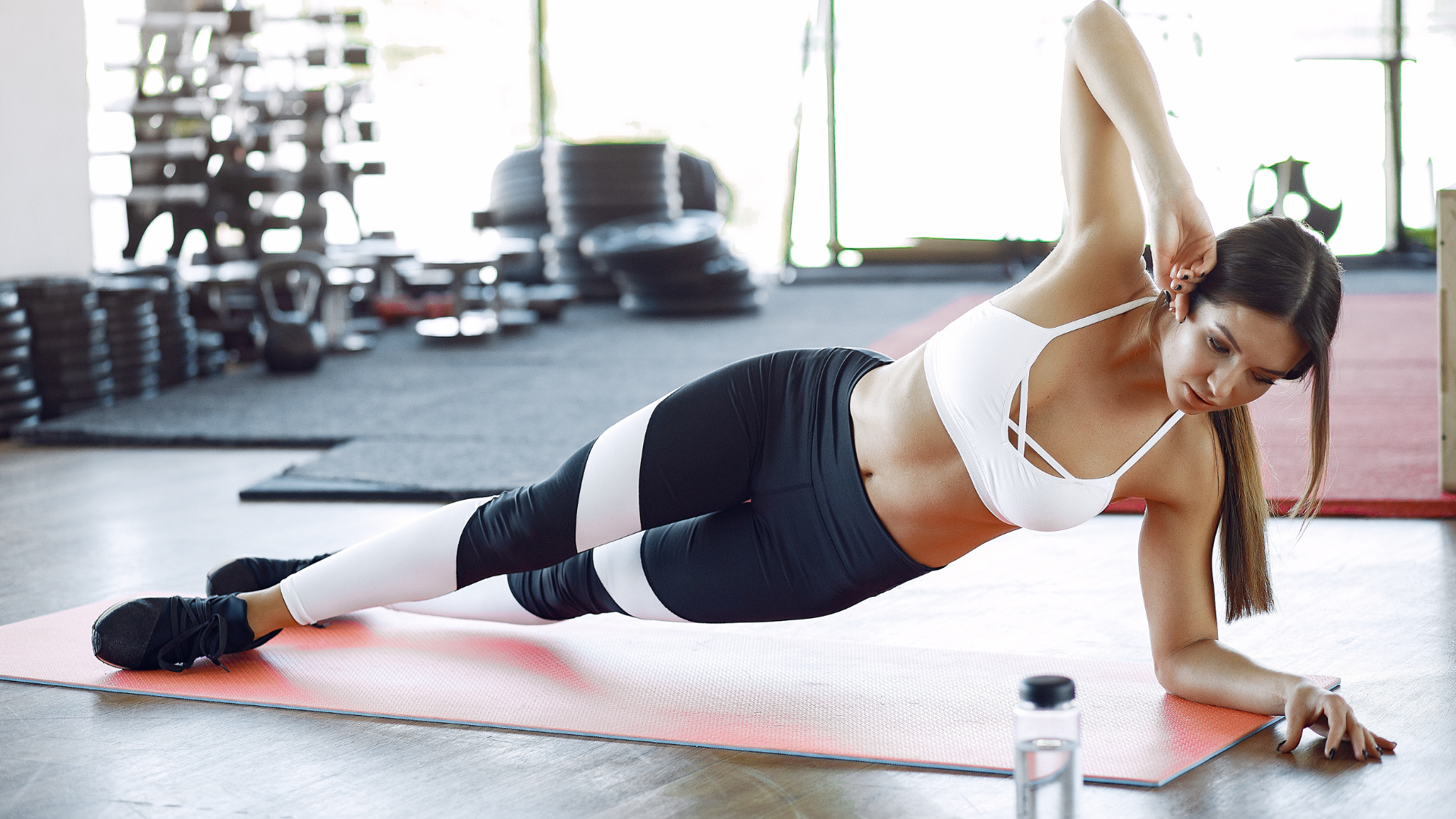
A stronger core may reduce unnecessary strain on the lower back during daily activities. However, planks cannot guarantee that a herniated disc or nerve compression will be prevented, as these conditions may result from ageing, injury, genetics, repetitive loading, and other factors.
How Planks Support the Spine
Planks activate several muscle groups simultaneously, including:
๐ Abdominal muscles
๐ Deep core muscles
๐ Lower-back muscles
๐ Shoulder and upper-back muscles
๐ Hip and gluteal muscles
These muscles work together to stabilise the trunk and keep the spine in a neutral position.
Possible benefits include:
๐ Improved core strength
๐ Better posture
๐ Greater spinal stability
๐ Reduced excessive movement of the lower back
๐ Improved balance and body control
๐ Better support during lifting, walking, and exercise
Planks may be useful as part of a wider exercise programme, but they should not be considered a direct treatment for a herniated spinal disc.
Standard Forearm Plank
Starting Position
๐ Lie face down.
๐ Place both forearms on the floor.
๐ Position the elbows directly beneath the shoulders.
๐ Extend the legs and support the body on the toes.
How to Perform It
๐ Lift the body from the floor.
๐ Keep the head, neck, back, hips, and legs in one straight line.
๐ Tighten the abdominal and gluteal muscles.
๐ Look towards the floor rather than lifting the head excessively.
๐ Hold the position for approximately 20 seconds.
๐ Rest and repeat two to three times.
Avoid allowing the hips to drop or rise too high, as this may increase strain on the lower back.
Side Plank
Starting Position
๐ Lie on the left side.
๐ Place the left elbow directly beneath the shoulder.
๐ Keep the legs extended or bend the lower knee for an easier variation.
How to Perform It
๐ Lift the hips from the floor.
๐ Keep the head, shoulders, hips, and legs aligned.
๐ Tighten the abdominal and hip muscles.
๐ Place the upper hand on the hip or extend it upwards.
๐ Hold for approximately 20 seconds.
๐ Repeat two to three times before changing sides.
The side plank strengthens the muscles along the sides of the abdomen, hips, and lower back.
Tips for Beginners
Beginners should focus on correct technique rather than holding the position for a long time.
A suitable starting programme may include:
๐ One plank variation per day
๐ Holding each position for 10-20 seconds
๐ Repeating two or three times
๐ Resting between each repetition
๐ Gradually increasing the duration as strength improves
A modified plank with the knees on the floor may be more appropriate for people who cannot maintain proper alignment in a full plank.
Common Mistakes to Avoid
๐ Holding the breath
๐ Lifting the head too high
๐ Allowing the lower back to sag
๐ Raising the hips excessively
๐ Placing the elbows too far in front of the shoulders
๐ Continuing despite sharp or radiating pain
๐ Increasing the duration before mastering correct form
Slow, controlled exercise is more beneficial than forcing the body to hold an incorrect position.
When to Avoid or Modify Planks
Consult a doctor or physiotherapist before performing planks if you have:
๐ A current herniated disc
๐ Severe neck or back pain
๐ Pain radiating into an arm or leg
๐ Numbness or muscle weakness
๐ A recent spinal, shoulder, or abdominal injury
๐ A recent operation
๐ Osteoporosis or another condition affecting the spine
Stop exercising if you experience sharp pain, worsening back pain, numbness, tingling, weakness, or difficulty controlling the bladder or bowel.
A Balanced Approach to Spinal Health
Planks are most effective when combined with:
๐ Regular walking or cardiovascular exercise
๐ Strengthening of the hips and legs
๐ Mobility and stretching exercises
๐ Correct lifting techniques
๐ Ergonomic sitting posture
๐ Regular movement breaks during prolonged sitting
๐ Maintaining a healthy body weight
Plank exercises can strengthen the muscles that support the spine and improve overall stability. Correct technique, gradual progression, and avoiding excessive strain are essential for receiving the benefits while reducing the risk of injury.
Reference :
Independent Writer
Share this article
More Articles
Discover more insights on health care and medical tourism.

Medical Wellness by Hertitude: Longevity Medicine at Aman Nai Lert Bangkok
On the 8th floor of Aman Nai Lert Bangkok, within the seven-acre green seclusion of Nai Lert Park in the heart of the city's Lumphini district, sits Medical Wellness by Hertitude Clinic a physician-led longevity and wellness practice built into one of Bangkok's most private luxury addresses. The clinic occupies part of the hotel's 1,500-square-metre Aman Spa & Wellness centre, positioned on its own floor alongside the Aman Spa above it, forming what the hotel describes as a seamless synthesis of advanced medical wellness and traditional Thai healing.

Genetic Testing for Cancer Risk: Understanding Your Inherited Blueprint for Prevention
Cancer develops through a complex combination of genetic, environmental and lifestyle factors. While behaviors such as smoking, alcohol consumption, diet, physical activity and exposure to certain harmful substances can influence cancer risk, inherited genetic variants can also make some individuals more susceptible to certain types of cancer.

Behind the Surgery: Getting to Know Dr. Tanongsak Panyawirunroj of Asia Cosmetic Hospital
When people think of plastic surgery, they often focus first on what can be seen after a procedure the shape of the face, the nose, the eyes, the breasts, or the contours of the body. Yet behind every visible change lies a far more complex process involving anatomical knowledge, surgical experience, patient assessment, and a series of medical decisions made before, during, and after surgery.