Parkinson’s Disease and New Treatment Innovations

Every movement in daily life-from lifting a glass of water and walking to pick something up to smiling at a friend-depends on the complex coordination of the brain and nervous system. But what happens when this remarkable system begins to malfunction?
Parkinson’s disease is a neurological disorder that affects movement and can make even simple daily activities increasingly difficult. Although there is currently no cure, advances in medical treatment can help patients control their symptoms and maintain a better quality of life.
This article explains the causes, symptoms, and modern treatment options for Parkinson’s disease, helping patients and their families understand the condition and prepare to manage it more effectively.
What Causes Parkinson’s Disease, and Who Is at Risk?
Parkinson’s disease is a disorder of the central nervous system caused by the degeneration of nerve cells in an area of the brain called the substantia nigra.
This part of the brain is primarily responsible for producing dopamine, a neurotransmitter that plays an important role in controlling movement. When dopamine levels decline, movement becomes more difficult and the patient’s ability to perform daily activities may be affected.
Parkinson’s disease is more commonly found in older adults, and the risk generally increases with age. However, an increasing number of patients are now being diagnosed at a younger age. This condition is known as early-onset Parkinson’s disease.
Understanding Parkinson’s disease is therefore important for people of all ages.
How Can the Symptoms of Parkinson’s Disease Be Recognised?
The early symptoms of Parkinson’s disease can appear in several ways. Patients and those close to them may notice the following common signs.
๐ Tremor: Shaking that commonly occurs while resting or sitting still. It often begins in the fingers and may gradually spread to the hand.
๐ Bradykinesia: Slowness of movement when sitting, standing, or walking. Everyday activities become more difficult, and even getting up from a chair may feel slower than usual.
๐ Rigidity: Muscle stiffness that causes discomfort and makes movement more difficult. Patients may feel as though their movements are restricted.
๐ Postural instability: Difficulty maintaining balance, increasing the risk of falls and accidents during daily activities.
Other symptoms may also occur, including:
๐ Speech difficulties or unclear speech
๐ Swallowing problems
๐ Depression
๐ Sleep disorders
๐ Dementia during the later stages of the disease
Modern Treatment Options for Parkinson’s Disease
Current treatment focuses on controlling symptoms and slowing the progression of functional difficulties. Treatment can be provided from the early stages through to more advanced disease.
The main treatment approaches include the following.
Medication
Oral Medication
Oral medication is the primary treatment for most patients with Parkinson’s disease. It is usually provided in tablet form, making it convenient to take.
Transdermal Patches
Medication patches may be suitable for patients who have difficulty swallowing tablets or require continuous symptom control throughout the day.
Injectable Medication
Injectable medication may be used to manage “off” periods, when the body temporarily stops responding adequately to regular medication.
The injection works quickly, although its effects may last for a shorter period.
Deep Brain Stimulation
Deep Brain Stimulation, or DBS, is a modern treatment that has become increasingly used for Parkinson’s disease, particularly in patients with severe symptoms or those who no longer respond adequately to medication.
The procedure involves surgically implanting electrodes into specific deep areas of the brain, particularly the:
๐ Subthalamic nucleus
๐ Globus pallidus interna
The electrodes deliver controlled electrical signals to help regulate abnormal brain activity associated with movement problems.
DBS can effectively help control several Parkinson’s symptoms, particularly:
๐ Tremor
๐ Slowness of movement
๐ Muscle stiffness
It may also reduce the amount of medication required, which can help decrease the long-term side effects of medication.
However, DBS is not suitable for every patient. Careful patient selection, detailed assessment, and close follow-up are essential because the procedure may cause unexpected side effects or complications in some individuals.
Parkinson’s Disease Care at Phyathai 1 Hospital
The Brain and Nervous System Centre at Phyathai 1 Hospital provides comprehensive care for patients with Parkinson’s disease.
An experienced specialist team supports patients throughout every stage of treatment, including:
๐ Diagnosis using modern medical technology
๐ Individualised treatment planning
๐ Medication management
๐ Deep Brain Stimulation surgery
๐ Close monitoring and follow-up care
The centre is equipped to provide comprehensive treatment with the aim of helping patients manage their symptoms and maintain the best possible quality of life.
Reference :
Independent Writer
Share this article
More Articles
Discover more insights on health care and medical tourism.

Medical Wellness by Hertitude: Longevity Medicine at Aman Nai Lert Bangkok
On the 8th floor of Aman Nai Lert Bangkok, within the seven-acre green seclusion of Nai Lert Park in the heart of the city's Lumphini district, sits Medical Wellness by Hertitude Clinic a physician-led longevity and wellness practice built into one of Bangkok's most private luxury addresses. The clinic occupies part of the hotel's 1,500-square-metre Aman Spa & Wellness centre, positioned on its own floor alongside the Aman Spa above it, forming what the hotel describes as a seamless synthesis of advanced medical wellness and traditional Thai healing.

Genetic Testing for Cancer Risk: Understanding Your Inherited Blueprint for Prevention
Cancer develops through a complex combination of genetic, environmental and lifestyle factors. While behaviors such as smoking, alcohol consumption, diet, physical activity and exposure to certain harmful substances can influence cancer risk, inherited genetic variants can also make some individuals more susceptible to certain types of cancer.
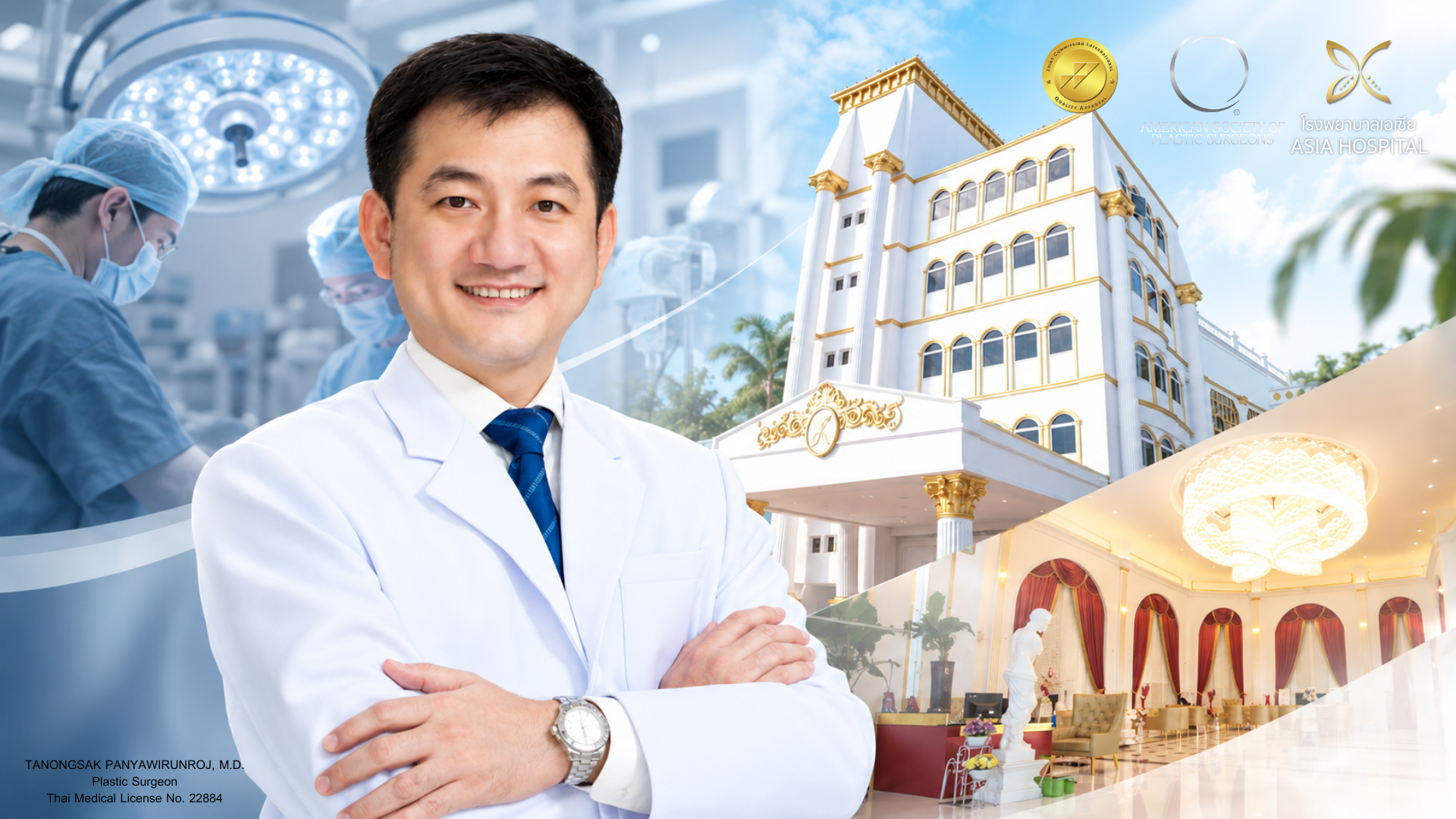
Behind the Surgery: Getting to Know Dr. Tanongsak Panyawirunroj of Asia Cosmetic Hospital
When people think of plastic surgery, they often focus first on what can be seen after a procedure the shape of the face, the nose, the eyes, the breasts, or the contours of the body. Yet behind every visible change lies a far more complex process involving anatomical knowledge, surgical experience, patient assessment, and a series of medical decisions made before, during, and after surgery.