Office Syndrome: A Common Challenge for Working Adults

Do you often feel neck stiffness, shoulder tension, or back pain after work?
If so… you might be experiencing “Office Syndrome”, a common health problem among digital-age professionals.
What is Office Syndrome?
Office Syndrome refers to muscle and joint discomfort caused by prolonged sitting, such as working at a computer, using smartphones excessively, or maintaining poor posture.
Warning Signs
๐ Neck, shoulder, or back pain
๐ Numbness in hands or arms
๐ Frequent headaches
๐ Fatigue even without physical activity
Common Causes
1. Sitting for long hours – The body lacks natural movement
2. Poor posture – Forward head, rounded shoulders, or slouched back
3. Accumulated stress – Causes muscle tension
Prevention and Relief Tips
๐ Take stretching breaks every hour
๐ Adjust your chair and screen height for proper alignment
๐ Perform simple exercises like shoulder rolls or torso twists
๐ Use supportive tools for your neck and back
Good health starts with correct posture and consistent self-care.
Don’t let Office Syndrome interfere with your work and life.
Source : TRIA Medical Wellness Center
TRIA Medical Wellness Center
Share this article
More Articles
Discover more insights on health care and medical tourism.

Medical Wellness by Hertitude: Longevity Medicine at Aman Nai Lert Bangkok
On the 8th floor of Aman Nai Lert Bangkok, within the seven-acre green seclusion of Nai Lert Park in the heart of the city's Lumphini district, sits Medical Wellness by Hertitude Clinic a physician-led longevity and wellness practice built into one of Bangkok's most private luxury addresses. The clinic occupies part of the hotel's 1,500-square-metre Aman Spa & Wellness centre, positioned on its own floor alongside the Aman Spa above it, forming what the hotel describes as a seamless synthesis of advanced medical wellness and traditional Thai healing.

Genetic Testing for Cancer Risk: Understanding Your Inherited Blueprint for Prevention
Cancer develops through a complex combination of genetic, environmental and lifestyle factors. While behaviors such as smoking, alcohol consumption, diet, physical activity and exposure to certain harmful substances can influence cancer risk, inherited genetic variants can also make some individuals more susceptible to certain types of cancer.
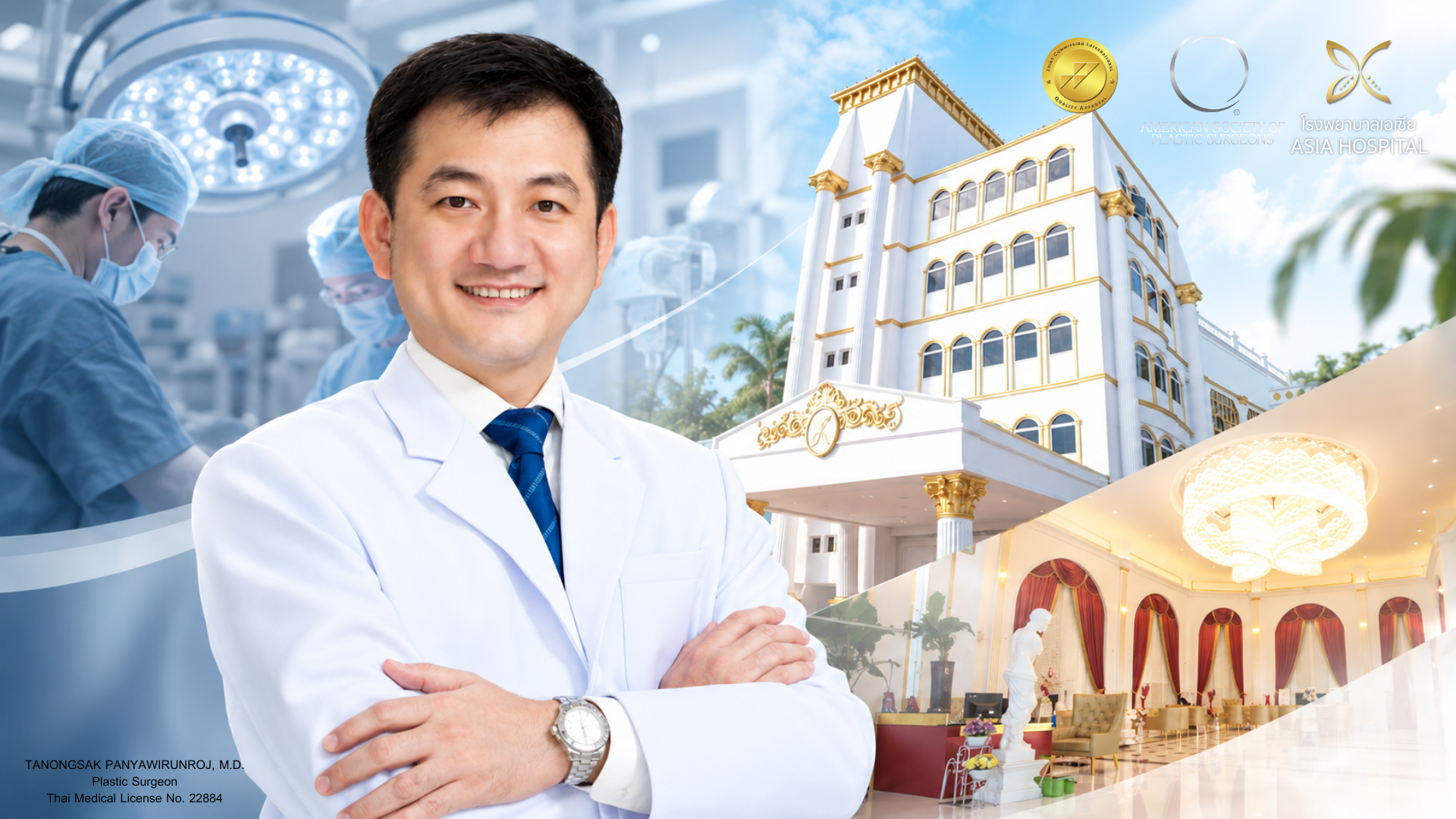
Behind the Surgery: Getting to Know Dr. Tanongsak Panyawirunroj of Asia Cosmetic Hospital
When people think of plastic surgery, they often focus first on what can be seen after a procedure the shape of the face, the nose, the eyes, the breasts, or the contours of the body. Yet behind every visible change lies a far more complex process involving anatomical knowledge, surgical experience, patient assessment, and a series of medical decisions made before, during, and after surgery.