"Monkeypox" Do not panic but be aware and understand how to protect yourself
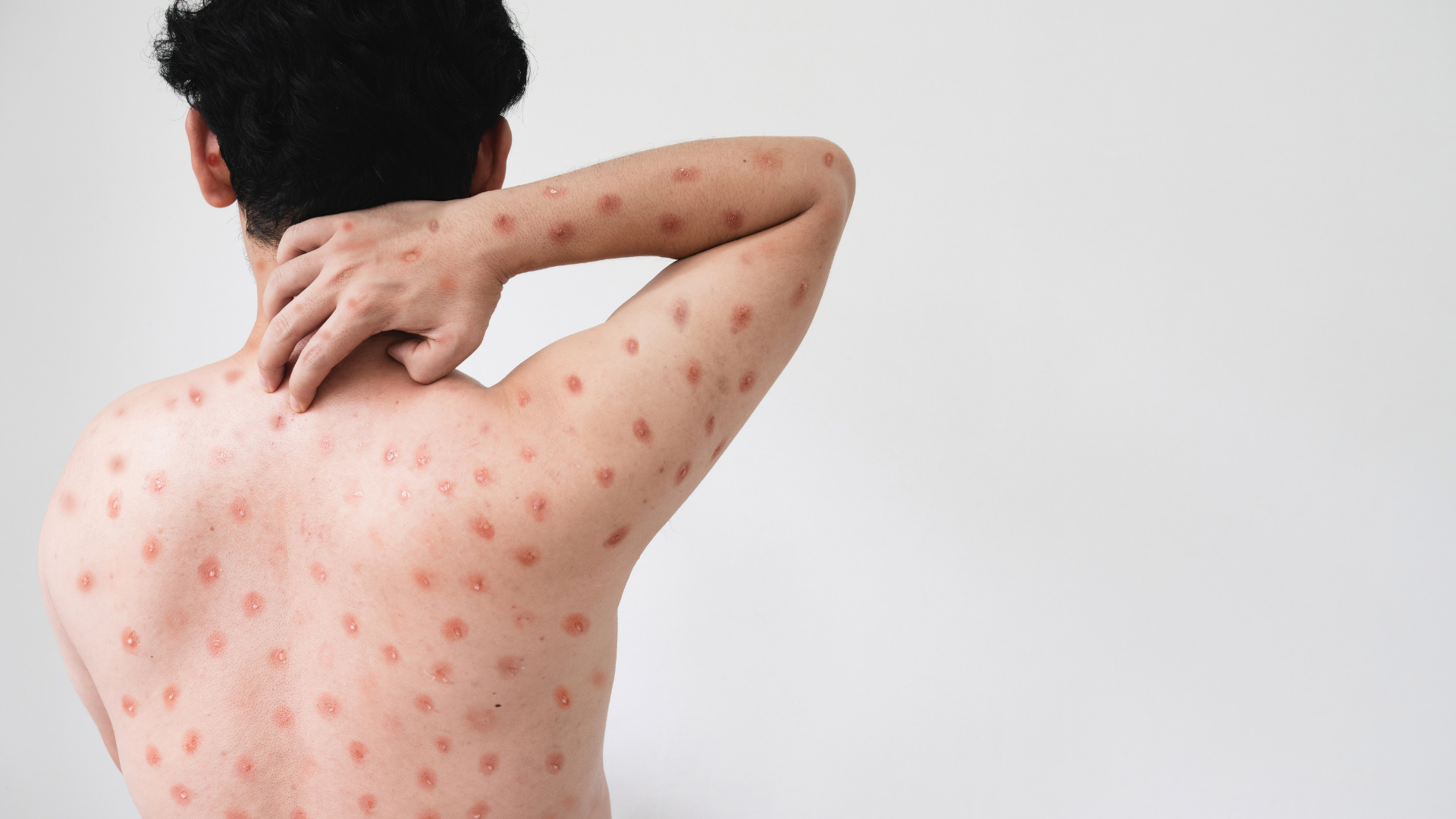
The outbreak of monkeypox outside the African continent in 2022 was first reported in the United Kingdom on May 7, 2022, and the World Health Organization has declared it a Public Health Emergency of International Concern (PHEIC) since July 23, 2022.
Monkeypox Situation
There is a global outbreak with over 20,000 confirmed cases in 79 countries (data from the U.S. Centers for Disease Control and Prevention as of July 29, 2022). Most cases are in European countries, with reported deaths from Brazil and Spain.
Monkeypox Situation in Thailand
There were reports of infected individuals traveling by plane with a layover at airports in Thailand in May 2022 before continuing to Australia. Later in July 2022, an infected Nigerian national was found in Phuket province, who subsequently left Thailand. Most recently, on July 28, 2022, the first Thai monkeypox case was reported, a man who has sex with men. Contact tracing has not found any additional cases.
How is Monkeypox Transmitted?
The main mode of transmission is through contact with the blisters or pustules of an infected person. Those at risk include people who have traveled to outbreak areas and those in close contact, including sexual contact with an infected person. The disease can also be transmitted through bodily fluids and respiratory droplets similar to COVID-19, but the chance of transmission this way is much lower than COVID-19.
Symptoms of Monkeypox
Symptoms include fever, sore throat, muscle aches, swollen lymph nodes, and red spots that later develop into blisters and pustules. These lesions may appear on the face or other parts of the body. About 30% of infected individuals have lesions in the genital area along with swollen lymph nodes in the groin, which is linked to sexual contact with an infected person. The number of lesions is fewer than in chickenpox.
Treatment
Healthy individuals can recover from this disease on their own. Severe cases are usually found in people with other underlying conditions. There are antiviral medications that can treat this disease, but they are used only in severe cases.
The smallpox vaccine is about 85% effective in preventing monkeypox. This vaccine, which has not been used for over 40 years, is now being produced again and administered in some countries. In Thailand, there is currently no recommendation for the use of this vaccine.
Summary
Monitoring the situation to prevent infection is the best approach. There is no need to panic as this disease is less severe and spreads less easily than COVID-19. The lesions resemble those of chickenpox and herpes. Confirmatory testing and isolation to prevent spread are important. If infection is suspected, isolate yourself from others and see a doctor immediately for confirmation.
Reference :
Independent Writer
Share this article
More Articles
Discover more insights on health care and medical tourism.
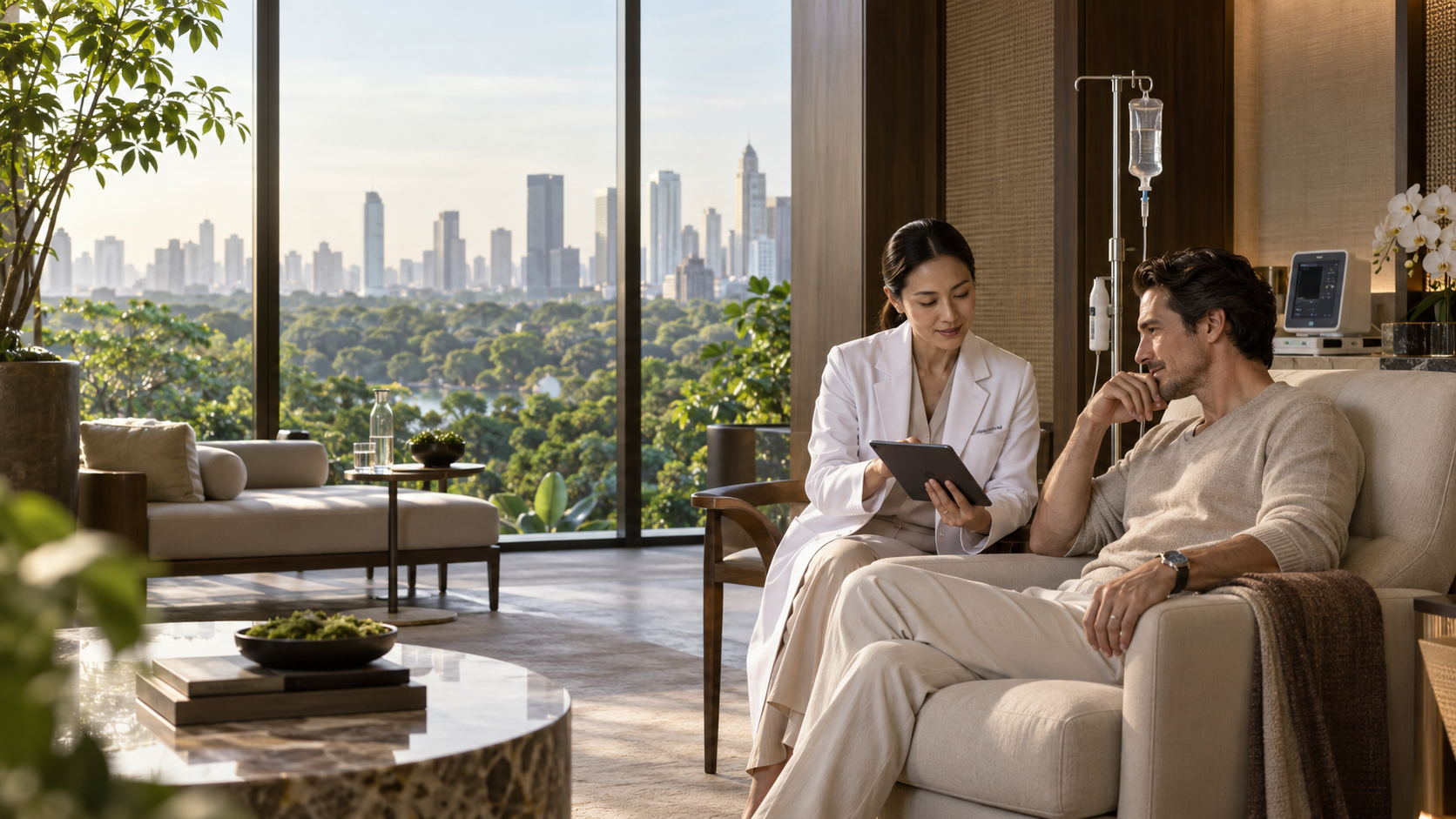
Medical Wellness by Hertitude: Longevity Medicine at Aman Nai Lert Bangkok
On the 8th floor of Aman Nai Lert Bangkok, within the seven-acre green seclusion of Nai Lert Park in the heart of the city's Lumphini district, sits Medical Wellness by Hertitude Clinic a physician-led longevity and wellness practice built into one of Bangkok's most private luxury addresses. The clinic occupies part of the hotel's 1,500-square-metre Aman Spa & Wellness centre, positioned on its own floor alongside the Aman Spa above it, forming what the hotel describes as a seamless synthesis of advanced medical wellness and traditional Thai healing.

Genetic Testing for Cancer Risk: Understanding Your Inherited Blueprint for Prevention
Cancer develops through a complex combination of genetic, environmental and lifestyle factors. While behaviors such as smoking, alcohol consumption, diet, physical activity and exposure to certain harmful substances can influence cancer risk, inherited genetic variants can also make some individuals more susceptible to certain types of cancer.
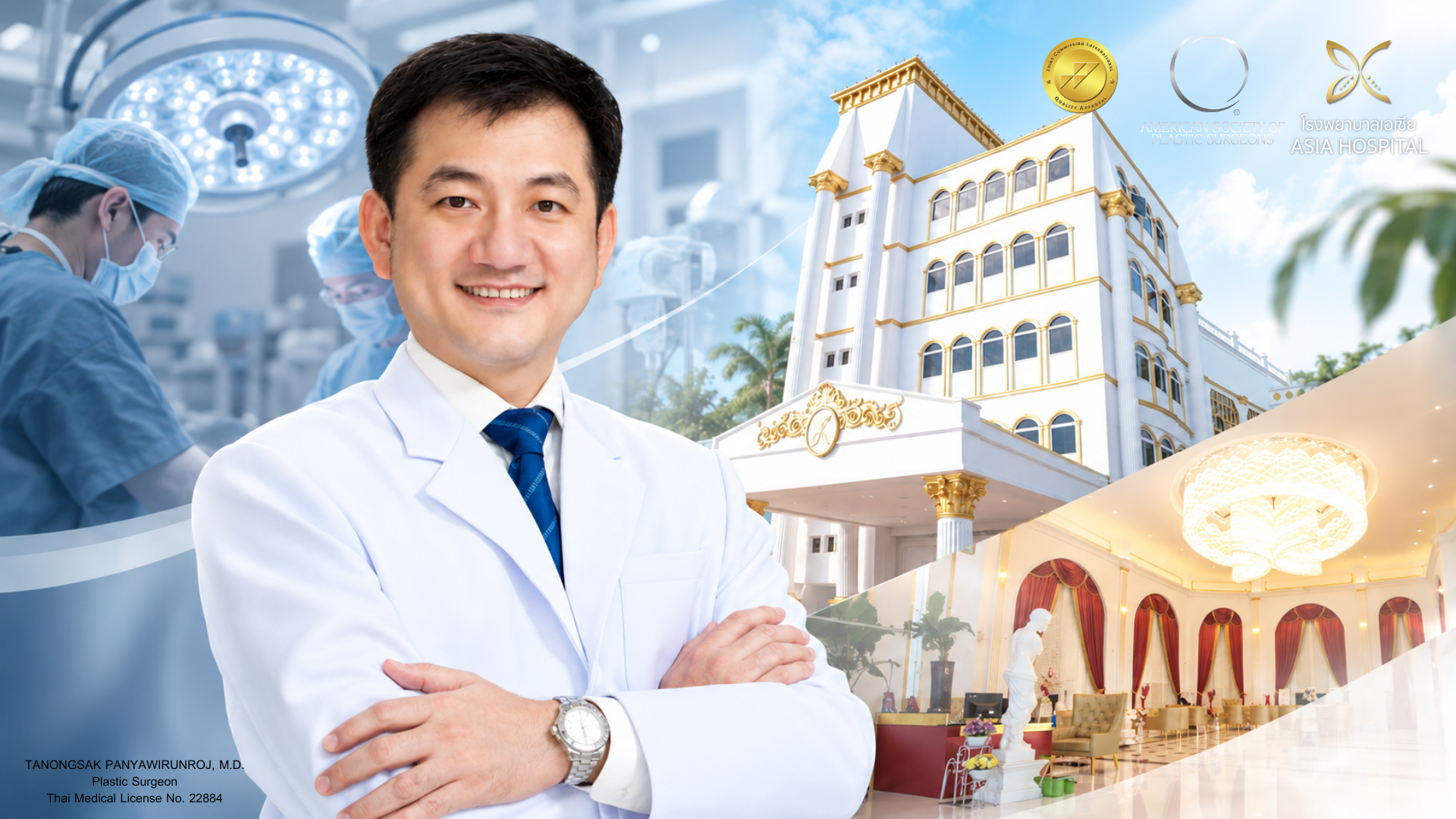
Behind the Surgery: Getting to Know Dr. Tanongsak Panyawirunroj of Asia Cosmetic Hospital
When people think of plastic surgery, they often focus first on what can be seen after a procedure the shape of the face, the nose, the eyes, the breasts, or the contours of the body. Yet behind every visible change lies a far more complex process involving anatomical knowledge, surgical experience, patient assessment, and a series of medical decisions made before, during, and after surgery.