Menstrual Cramps: Women Should Not Take Them Lightly
Menstrual Cramps : Women Should Not Take Them Lightly Menstrual cramps are something most women experience when their period arrives each month. Often, we tend to think that period pain is a natural part of the cycle, with some experiencing severe pain and others having only mild discomfort. However, abnormal menstrual cramps should not be ignored, as they could be a sign of underlying health issues. This article will help you better understand menstrual cramps, so women can pay closer attention to their symptoms and take note of any unusual patterns. Let’s take a closer look at what to be aware of.
What Are Menstrual Cramps?
Menstrual cramps, or dysmenorrhea, refer to the pain or cramping sensation in the lower abdomen, typically occurring 1-2 days before the start of the period and during the first few days of menstruation. The pain can range from mild to severe, and some women may also experience other symptoms along with the cramps, such as nausea, vomiting, diarrhea or constipation, lower back pain, dizziness, and headaches.
Causes of Menstrual Cramps
Menstruation is a natural process in the female body that occurs approximately every 28 days. If the egg is not fertilized by sperm, the uterine lining sheds, resulting in menstruation. The pain associated with menstrual cramps is caused by prostaglandins, substances that act like hormones and form in the uterine lining during menstruation. The higher the production of prostaglandins in the body, the more intense the contraction of the uterus, which increases the pain. Additionally, prostaglandins are also responsible for other symptoms such as nausea and diarrhea during menstruation.
Types of Menstrual Cramps
Menstrual cramps can be divided into two types:
1.Primary Dysmenorrhea: This is the most common type of menstrual pain, typically caused by the overproduction of prostaglandins in the uterine lining. It is generally not related to any underlying health conditions and tends to be a normal, though painful, part of the menstrual cycle.
2.Secondary Dysmenorrhea: This type of menstrual pain is caused by underlying conditions affecting the uterus or other reproductive organs. The pain is often more severe than primary dysmenorrhea and can be associated with conditions such as endometriosis, fibroids, or pelvic inflammatory disease.
- Endometriosis: A condition where the uterine lining grows outside the uterus.
- Adenomyosis: The growth of the uterine lining within the muscular wall of the uterus.
- Uterine fibroids: Non-cancerous growths in the uterus.
- Pelvic Inflammatory Disease: An infection of the reproductive organs, often caused by sexually transmitted infections.
- Cervical stenosis: Narrowing of the cervix, which can obstruct menstrual flow.
However, secondary dysmenorrhea is something that should not be ignored, as it can have negative effects on the body. So how can we tell if the pain is abnormal and if we should see a doctor immediately? The answer can be found below.
When to See a Doctor
As mentioned earlier, menstrual cramps are a natural part of a woman's cycle. However, it’s important for women to regularly monitor their symptoms, as what may seem like normal period pain could signal something more serious. You should consult a doctor if you experience the following symptoms, which could indicate a more severe underlying condition
- Painful periods that are worse than usual
- No improvement after taking medication, or worsening symptoms
- Severe menstrual pain for the first time after the age of 25
- Fever accompanied by abdominal pain
- Excessive bleeding
- Abnormal discharge with odor, itching in the vaginal area, or unusual period color
- Lower abdominal pain without menstruation
All of these symptoms are ones that women should not ignore. If you experience any of these symptoms before or during your period, it is important to consult with a specialist for timely treatment.
Ways to Prevent and Relieve Menstrual Cramps
Although menstrual cramps are something we cannot completely avoid, we can alleviate the pain with the following methods
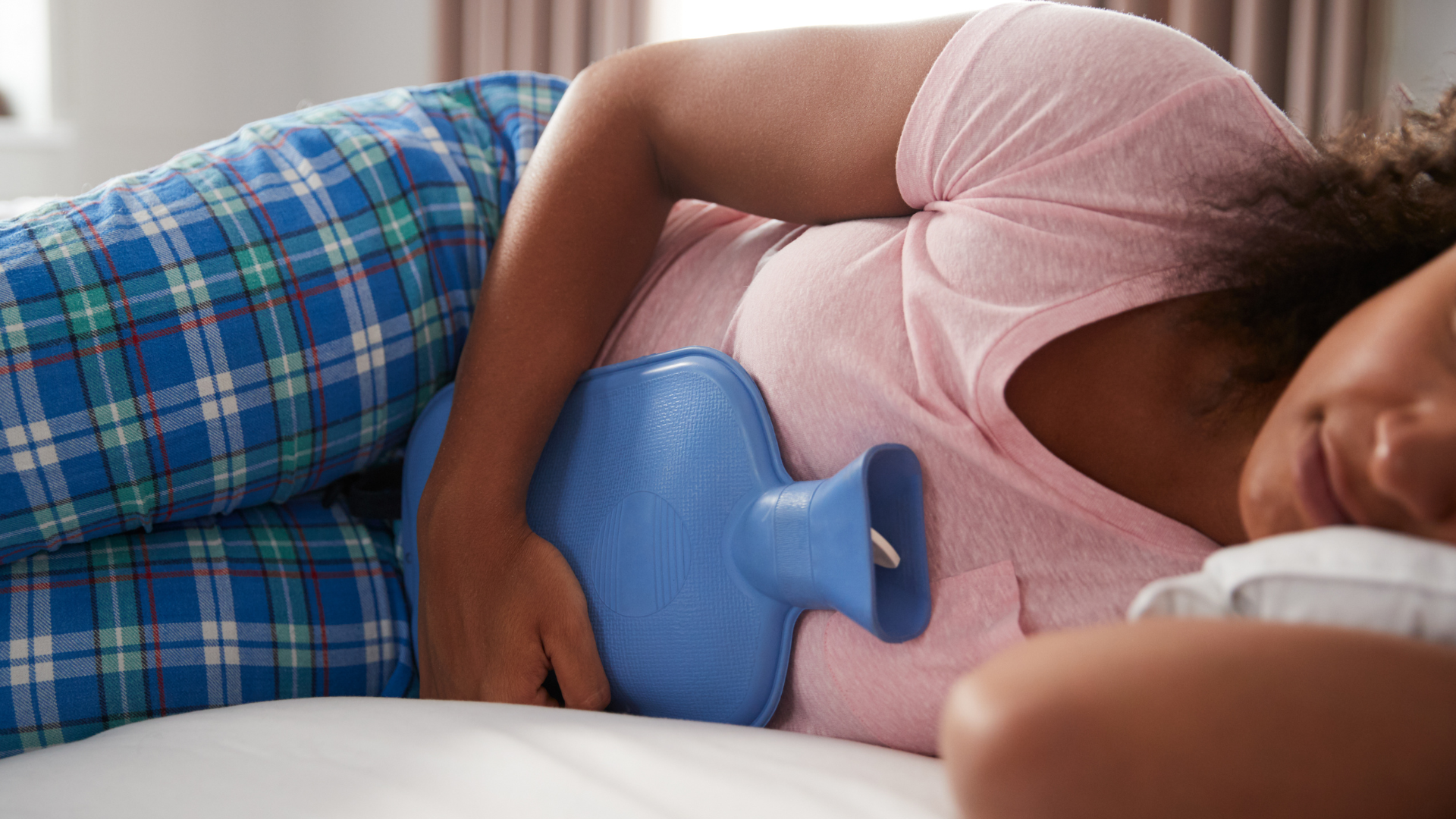
- Use a hot water bag on the lower abdomen and lower back
- Take a warm bath
- Get enough rest and exercise regularly
- Eat a healthy diet, avoid high-fat and high-salt foods, and refrain from caffeinated drinks, alcohol, and sweets
- Relax by meditating or practicing yoga
- Take non-steroidal anti-inflammatory drugs (NSAIDs), but only when the pain is severe, as these medications may have other side effects
For women who have problems with or wish to consult about irregular periods or menstrual cramps, schedule a consultation with a specialist. We have experts who can provide you with accurate and the best advice.
When to Seek Medical Attention:
- Experiencing more severe menstrual cramps than usual
- Taking medication but the symptoms do not improve or worsen
- Over 25 years old and experiencing severe cramps for the first time
- Having a fever along with abdominal pain
- Having excessive menstrual bleeding
- Experiencing unusual vaginal discharge, itching, or abnormal color of menstrual blood
- Feeling abdominal pain without menstruation
Source : EEU United Clinic
**Translated and compiled by ArokaGO Content Team
Independent Writer
Share this article
More Articles
Discover more insights on health care and medical tourism.

Wellness Tourism in Thailand | Why Travelers Come for More Than a Holiday
When people think about Thailand, beaches, street food, temples, and vibrant city life usually come to mind. But in recent years, something has changed. More travelers are arriving with a different purpose — not only to explore, but to improve their wellbeing, reduce stress, undergo preventive health screening, or simply take better care of themselves.

Medical Tourism in Thailand: Where Getting Well Feels Like the Trip of a Lifetime
Imagine waking up in Bangkok, overlooking the Chao Phraya River as long-tail boats drift past your window. Hours later, you've completed a full health screening at a world-class hospital, reviewed your results, and are enjoying iced coffee by a rooftop pool before dinner at Asiatique.
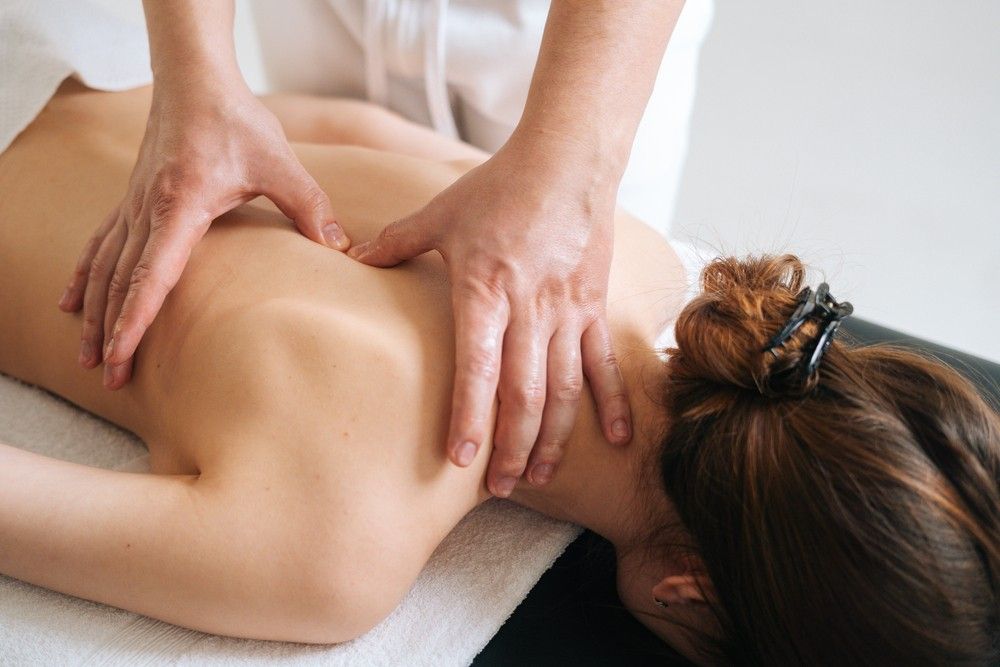
Difference Between “General Massage” and “Anatomy & Wellness Massage”
Anatomy & Wellness Massage combines relaxation with an understanding of muscle structure and body balance. It helps relieve tension, muscle pain, and stiffness, restore movement, and address the root causes of discomfort. Suitable for people with Office Syndrome or chronic muscle pain.