Insomnia: How to Treat It? Understanding Causes
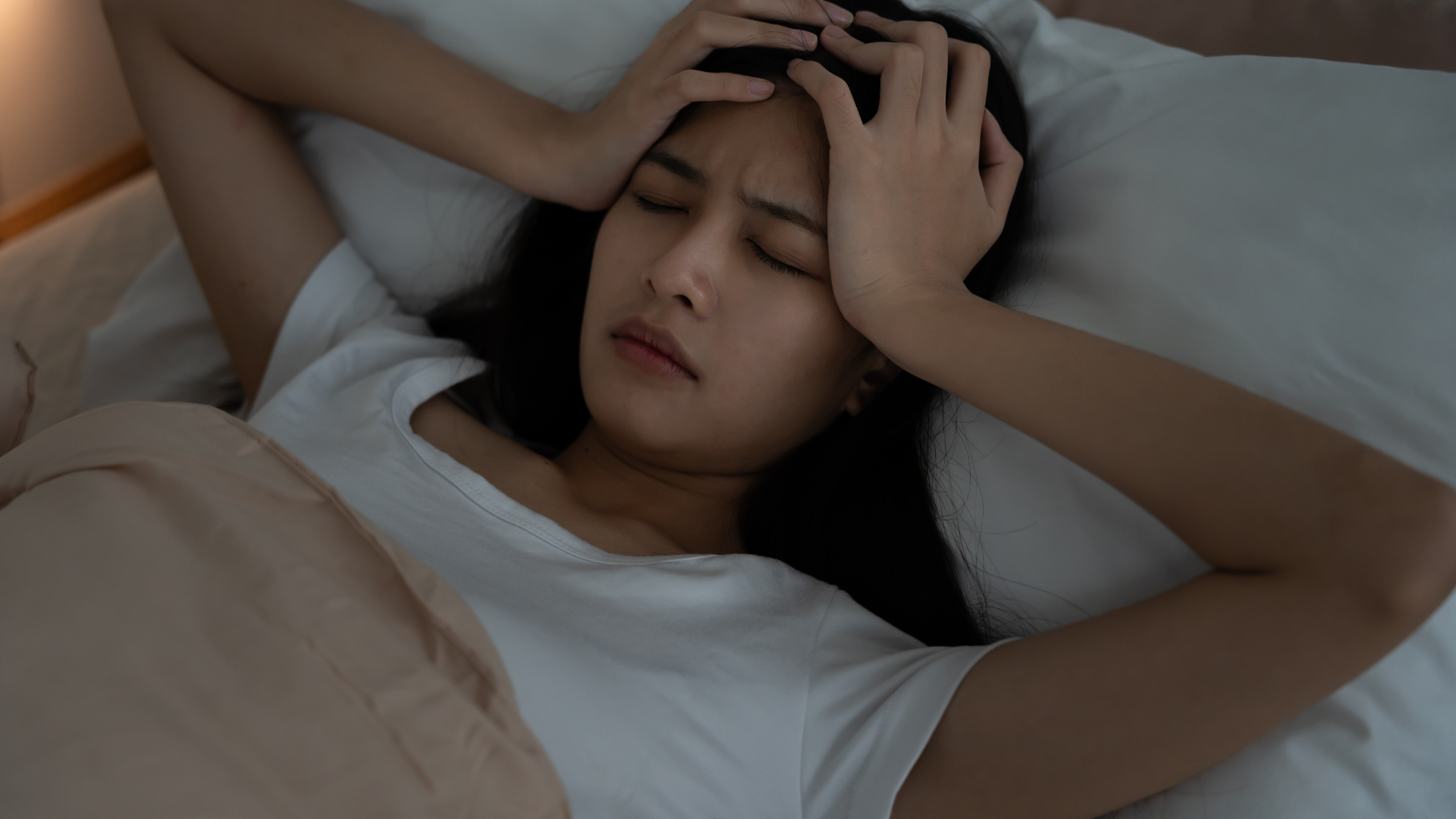
Insomnia occurs when a person has difficulty falling asleep, staying asleep, or sleeping for long enough despite having sufficient opportunity to rest. The person may feel that their sleep is light, interrupted, or insufficient and may wake up feeling tired and unrefreshed.
Types of Insomnia
Insomnia can generally be divided into three types.
1. Initial Insomnia
Initial insomnia refers to difficulty falling asleep. A person may need much longer than usual to fall asleep after going to bed. In some cases, it may take several hours.
2. Middle Insomnia
Middle insomnia refers to light or interrupted sleep with frequent awakenings during the night. After waking, the person may find it difficult to fall asleep again.
3. Terminal Insomnia
Terminal insomnia refers to waking earlier than intended and being unable to return to sleep. For example, a person may wake two to three hours earlier than usual, resulting in insufficient total sleep.
When sleep difficulties occur at least three nights per week, continue for more than three months, and significantly affect daytime functioning, the condition may be diagnosed as insomnia disorder.
Causes of Insomnia Disorder
Insomnia can result from several factors.
Physical Causes
Physical illnesses and symptoms that cause discomfort may interfere with sleep, including:
๐ Chronic pain
๐ Difficulty breathing
๐ Acid reflux
๐ Frequent urination
๐ Hormonal changes
๐ Other medical conditions that cause discomfort at night
These symptoms may make it difficult to fall asleep or may cause frequent awakenings.
Psychological Causes
Mental and emotional conditions commonly affect sleep, including:
๐ Stress
๐ General anxiety
๐ Depression
๐ Bipolar disorder
๐ Other psychiatric conditions
Worrying thoughts and emotional tension may keep the brain alert even when the body feels tired.
Environmental Factors
The sleeping environment may also affect sleep quality. Common problems include:
๐ Excessive noise
๐ A bedroom that is too bright
๐ Temperatures that are too hot or too cold
๐ An uncomfortable bed or pillow
๐ Interruptions from other people, pets, or electronic devices
Poor Sleep Habits
Certain behaviours may make insomnia more likely, such as:
๐ Playing games or using a smartphone before bedtime
๐ Watching television or working in bed
๐ Performing strenuous exercise close to bedtime
๐ Drinking coffee, tea, energy drinks, or other caffeinated beverages late in the day
๐ Eating a large meal shortly before sleeping
๐ Going to bed and waking up at inconsistent times
Effects of Insomnia Disorder
Persistent insomnia can negatively affect both physical and mental health.
Physical Effects
๐ Daytime fatigue and weakness
๐ Reduced energy
๐ Headaches
๐ Reduced immune-system function
๐ Increased risk of accidents
Emotional Effects
๐ Irritability
๐ Low mood
๐ Increased stress and anxiety
๐ Greater risk of developing or worsening psychiatric conditions
Effects on Thinking and Performance
๐ Reduced concentration
๐ Poor memory
๐ Slower thinking
๐ Confusion or reduced alertness
๐ Difficulty making decisions
๐ Reduced performance at work or school
Preventing Insomnia and Improving Sleep Habits
Healthy sleep habits can help improve mild insomnia and reduce the risk of developing chronic sleep problems.
๐ Go to bed and wake up at approximately the same time every day, including weekends and holidays.
๐ Go to bed only when you feel sleepy.
๐ Use the bed mainly for sleeping rather than watching programmes, working, or using electronic devices.
๐ Avoid daytime naps when possible. When a nap is necessary, keep it short and avoid sleeping after 3:00 p.m.
๐ Practise relaxation and try to let go of stressful thoughts before bedtime.
๐ Avoid stressful news, work-related discussions, or emotionally stimulating content before sleep.
๐ Stop using mobile phones, tablets, computers, and other screens approximately one to two hours before bedtime.
๐ Avoid strenuous exercise and heavy meals close to bedtime.
๐ Avoid coffee, tea, energy drinks, and other stimulants after lunch.
๐ Keep the bedroom quiet, dark, cool, and comfortable.
When Should You See a Doctor?
You should consult a doctor when:
๐ Insomnia occurs frequently and continues for several weeks or months.
๐ The symptoms meet the criteria for insomnia disorder.
๐ Sleep problems continue despite improving sleep habits.
๐ Insomnia affects work, studies, relationships, or daily activities.
๐ You experience severe daytime sleepiness.
๐ You have loud snoring, choking, gasping, or pauses in breathing during sleep.
๐ Insomnia occurs with depression, anxiety, or significant mood changes.
๐ You rely regularly on alcohol or sleeping medication to fall asleep.
Diagnosis and Treatment of Insomnia Disorder
The first step in treatment is identifying the cause and distinguishing insomnia from other sleep conditions.
The doctor may ask about:
๐ Usual bedtime and waking time
๐ How long it takes to fall asleep
๐ The number of nighttime awakenings
๐ Total sleep duration
๐ Daytime tiredness or sleepiness
๐ Physical and mental health conditions
๐ Medication, caffeine, alcohol, and substance use
Patients may be asked to keep a sleep diary recording bedtime, estimated sleep time, awakenings, and waking time. This information helps the doctor assess the sleep pattern more accurately.
Some patients may require further testing, such as polysomnography (PSG) or a sleep test. These tests help identify abnormal sleep patterns or conditions such as snoring, obstructive sleep apnoea, and unusual movements during sleep.
Treatment depends on the underlying cause. When insomnia is associated with depression, bipolar disorder, anxiety, or another psychiatric condition, the doctor may treat the underlying condition while also improving sleep habits.
Treatment may include:
๐ Cognitive behavioural therapy for insomnia
๐ Sleep-hygiene improvement
๐ Relaxation and stress-management techniques
๐ Treatment of underlying physical or mental health conditions
๐ Short-term use of sleep medication when medically appropriate
Summary
Insomnia is more than simply having difficulty sleeping. When it becomes frequent, chronic, and disruptive to daytime life, it may develop into insomnia disorder.
Maintaining regular sleep habits, reducing stimulation before bedtime, managing stress, and creating a suitable sleep environment may improve mild symptoms. However, persistent insomnia should be assessed by a doctor so that the underlying cause can be identified and treated appropriately.
Reference :
Independent Writer
Share this article
More Articles
Discover more insights on health care and medical tourism.

Medical Wellness by Hertitude: Longevity Medicine at Aman Nai Lert Bangkok
On the 8th floor of Aman Nai Lert Bangkok, within the seven-acre green seclusion of Nai Lert Park in the heart of the city's Lumphini district, sits Medical Wellness by Hertitude Clinic a physician-led longevity and wellness practice built into one of Bangkok's most private luxury addresses. The clinic occupies part of the hotel's 1,500-square-metre Aman Spa & Wellness centre, positioned on its own floor alongside the Aman Spa above it, forming what the hotel describes as a seamless synthesis of advanced medical wellness and traditional Thai healing.

Genetic Testing for Cancer Risk: Understanding Your Inherited Blueprint for Prevention
Cancer develops through a complex combination of genetic, environmental and lifestyle factors. While behaviors such as smoking, alcohol consumption, diet, physical activity and exposure to certain harmful substances can influence cancer risk, inherited genetic variants can also make some individuals more susceptible to certain types of cancer.

Behind the Surgery: Getting to Know Dr. Tanongsak Panyawirunroj of Asia Cosmetic Hospital
When people think of plastic surgery, they often focus first on what can be seen after a procedure the shape of the face, the nose, the eyes, the breasts, or the contours of the body. Yet behind every visible change lies a far more complex process involving anatomical knowledge, surgical experience, patient assessment, and a series of medical decisions made before, during, and after surgery.