Immune Thrombocytopenia (ITP) in Children: Symptoms & Care
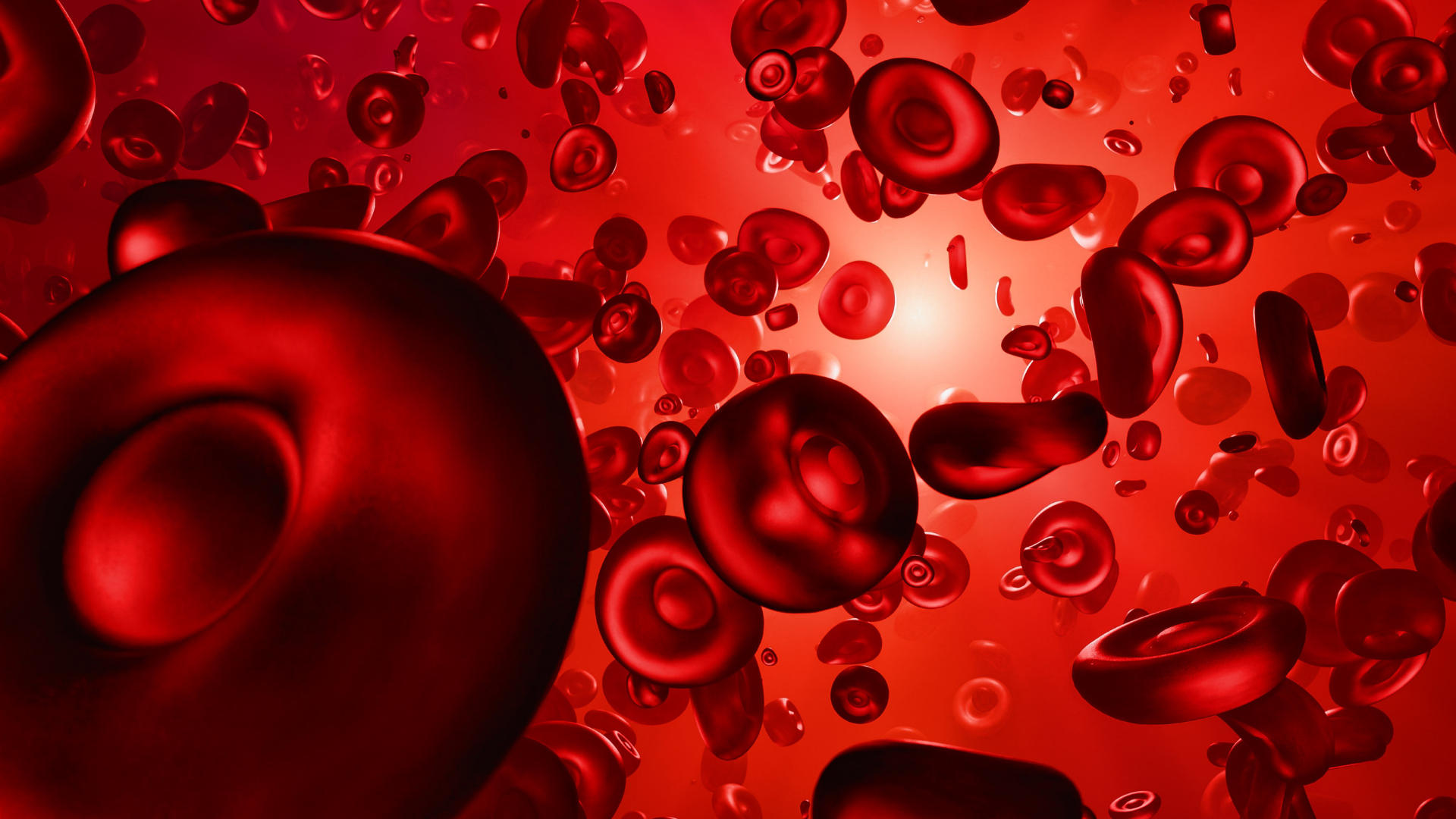
Immune Thrombocytopenia (ITP) in Children
Immune thrombocytopenic purpura (ITP) is a common bleeding disorder in children caused by a low platelet count. It occurs when the immune system produces antibodies that bind to and destroy the body's own platelets. Triggers for these antibodies may include viral infections or certain medications, but in most cases the cause is unclear. The condition is seen in both younger and older children.
What are the symptoms?
Symptoms result from thrombocytopenia, leading to unusually easy bleeding. Common findings include:
• Small pinpoint spots (petechiae) or bruises (ecchymosis) on the skin without injury
• Mucosal bleeding, such as in the mouth
• Frequent nosebleeds
• Blood in the urine
• Heavy menstrual bleeding in menstruating girls
• Gastrointestinal or intracranial bleeding in cases of very severe thrombocytopenia
Additionally, patients with significant or chronic bleeding may develop pallor and fatigue due to anemia.
Can Immune thrombocytopenia be treated?
This condition can resolve on its own without medication, though the time for platelets to return to normal varies by patient. Medicines that raise platelet counts are supportive and used when counts are very low or bleeding is severe, to prevent dangerous complications. First-line therapy is corticosteroids to suppress immune-mediated platelet destruction; platelet counts typically increase within about 5-7 days after starting treatment. Intravenous immunoglobulin (IVIG) can raise platelets more rapidly-often within 1-2 days-and is used when urgent platelet elevation is needed due to very low counts with significant bleeding.
What is the disease course?
Approximately 80% of patients recover and regain normal platelet counts within 1 year. About 20% develop a chronic course and require ongoing care to prevent bleeding complications until platelet levels normalize, which may take several years.
Reference :
Synphaet Children Hospital Immune Thrombocytopenia (ITP) in Children: Symptoms & Care
Independent Writer
Share this article
More Articles
Discover more insights on health care and medical tourism.

Medical Wellness by Hertitude: Longevity Medicine at Aman Nai Lert Bangkok
On the 8th floor of Aman Nai Lert Bangkok, within the seven-acre green seclusion of Nai Lert Park in the heart of the city's Lumphini district, sits Medical Wellness by Hertitude Clinic a physician-led longevity and wellness practice built into one of Bangkok's most private luxury addresses. The clinic occupies part of the hotel's 1,500-square-metre Aman Spa & Wellness centre, positioned on its own floor alongside the Aman Spa above it, forming what the hotel describes as a seamless synthesis of advanced medical wellness and traditional Thai healing.

Genetic Testing for Cancer Risk: Understanding Your Inherited Blueprint for Prevention
Cancer develops through a complex combination of genetic, environmental and lifestyle factors. While behaviors such as smoking, alcohol consumption, diet, physical activity and exposure to certain harmful substances can influence cancer risk, inherited genetic variants can also make some individuals more susceptible to certain types of cancer.

Behind the Surgery: Getting to Know Dr. Tanongsak Panyawirunroj of Asia Cosmetic Hospital
When people think of plastic surgery, they often focus first on what can be seen after a procedure the shape of the face, the nose, the eyes, the breasts, or the contours of the body. Yet behind every visible change lies a far more complex process involving anatomical knowledge, surgical experience, patient assessment, and a series of medical decisions made before, during, and after surgery.