How Does Uterine Health Affect the Success of Embryo Transfer?
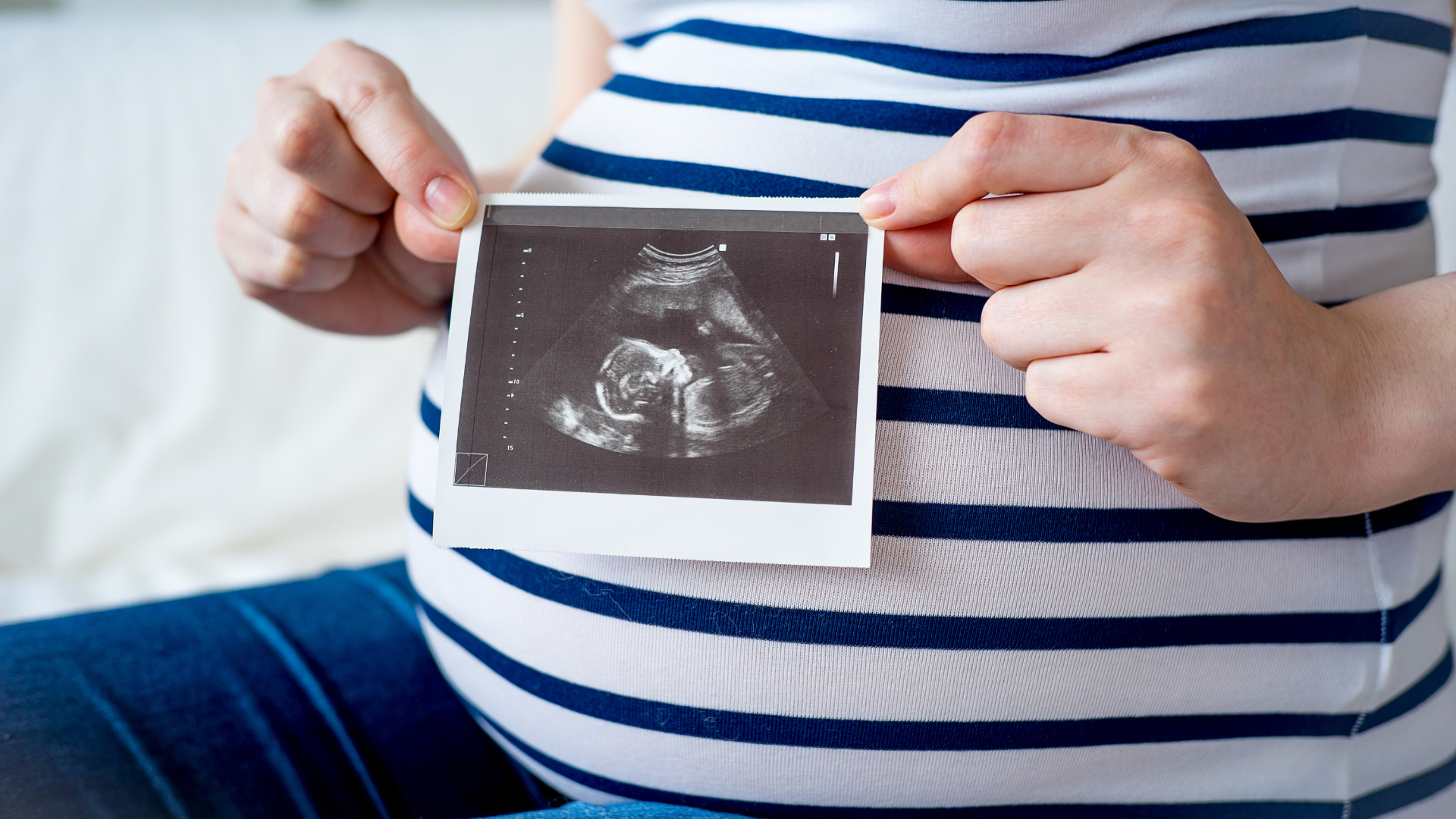
Why Is Uterine Health Important?
During embryo transfer, the uterus must provide an appropriate physical and biological environment for pregnancy. The readiness of the uterine lining is known as endometrial receptivity, which refers to its ability to receive an embryo and support implantation and further development.
The uterus plays several important roles in reproduction:
๐ Implantation: The embryo must attach to the endometrium, which provides the nutrients and hormones required for early development.
๐ Ongoing support: When the uterus provides a suitable environment, the embryo can continue growing and developing into a healthy baby.
๐ Hormonal coordination: The uterus works together with hormones such as estrogen and progesterone to regulate and support pregnancy.
When the uterus is healthy and responds appropriately, the chance of successful implantation may increase. Good uterine health may also help reduce the risk of certain complications during early pregnancy.
Factors That Affect Uterine Health
Uterine health is influenced by several factors, including physical conditions and lifestyle habits. Identifying and managing these issues appropriately can help prepare the uterus for embryo transfer.
Uterine Abnormalities
Uterine fibroids: These are non-cancerous growths that develop inside or around the uterus. Depending on their size and location, they may affect the uterine cavity and interfere with embryo implantation or growth.
Endometrial polyps: An overgrowth of the uterine lining may create an environment that is less suitable for embryo implantation.
Congenital uterine abnormalities: Abnormal uterine structures may reduce the chance of successful implantation. One example is a septate uterus, in which a wall divides the uterine cavity into two sections.
Endometrial Thickness
The thickness of the endometrium is an important factor in implantation. In general, an endometrial thickness of approximately 7- 4 millimeters may provide a suitable environment for the embryo.
An endometrium that is too thin or excessively thick may affect receptivity and reduce the chance of a successful pregnancy.
Hormonal Imbalance
Hormones play an essential role in preparing the uterine lining throughout the fertility-treatment process. An imbalance in estrogen or progesterone may prevent the endometrium from becoming fully receptive and may reduce the likelihood of implantation.
Chronic Infection or Inflammation
Certain chronic conditions, such as chronic endometritis, involve persistent inflammation of the uterine lining.
Although these conditions may not always cause noticeable symptoms, they can interfere with embryo implantation and affect uterine health.
Intrauterine Adhesions
Scar tissue inside the uterus may result from surgery, infection, or conditions such as Asherman’s syndrome. These adhesions may interfere with implantation and reduce the ability of the uterus to support an embryo.
Medical Approaches to Supporting Uterine Health
Advances in medicine make it possible to diagnose and treat several uterine abnormalities effectively, potentially improving the chance of successful embryo transfer.
Diagnostic Examinations
Ultrasound Scans
Ultrasound uses high-frequency sound waves to create images of internal organs. It can be used to examine the uterine structure and measure the thickness of the endometrium without surgery.
Hysteroscopy
Hysteroscopy allows the doctor to look directly inside the uterine cavity and identify abnormalities such as fibroids, polyps, or adhesions.
This is a minimally invasive procedure that generally involves less discomfort and a shorter recovery period.
Endometrial Receptivity Analysis
Endometrial Receptivity Analysis, or ERA, is a specialised test designed to help identify the most appropriate time for embryo transfer by evaluating the response of the uterine lining.
Treatment of Uterine Abnormalities
๐ Fibroids, polyps, and adhesions may be removed or reduced using minimally invasive surgical techniques, allowing faster recovery.
๐ Hormonal treatment may be used to restore an appropriate hormonal balance and support normal development of the uterine lining.
๐ Chronic infections or inflammation may be treated with appropriate antibiotics to eliminate the infection and restore a healthier uterine environment.
Increasing Endometrial Thickness
When the uterine lining is too thin, doctors may recommend hormonal treatment, such as estrogen supplementation, to stimulate endometrial growth.
In some cases, platelet-rich plasma, or PRP, treatment may be considered to support cell regeneration, endometrial growth, and uterine receptivity. The appropriate treatment should be determined by a fertility specialist based on the individual patient’s condition.

Lifestyle Changes That May Support Uterine Health
In addition to medical treatment, healthy lifestyle habits may help support uterine health and improve overall preparation for fertility treatment.
Balanced Nutrition
Eating nutritious foods such as green leafy vegetables, nuts, seeds, and omega-3-rich fish provides vitamins, antioxidants, and healthy fats.
A balanced diet may help support hormonal balance and healthy blood circulation to the uterus.
Regular Exercise
Moderate exercise can promote blood circulation throughout the body, including the reproductive organs. This may help support the preparation of the uterine lining for implantation.
Exercise should be appropriate for your health condition and the stage of your fertility treatment.
Stress Management
Chronic stress may interfere with hormonal production and affect overall well-being during fertility treatment.
Activities that promote relaxation may include:
๐ Meditation
๐ Yoga
๐ Breathing exercises
๐ Psychological counselling
Avoiding Harmful Substances
Reducing exposure to harmful substances may help protect both general and reproductive health.
Substances to avoid or limit include:
๐ Cigarette smoke
๐ Excessive alcohol consumption
๐ Environmental pollutants
Finding the Right Time for Embryo Transfer
Timing is an important factor in the success of embryo transfer. The period during which the endometrium is most receptive is known as the implantation window.
Doctors generally estimate this period using ultrasound examinations and hormone-level assessments. In some cases, an Endometrial Receptivity Analysis may be considered to help identify the most appropriate time for embryo transfer and increase the likelihood of implantation.
Prioritising Your Reproductive Health
Uterine health is a fundamental factor that may directly influence the success of embryo transfer. Prospective parents should understand the conditions that affect uterine readiness and the steps that may help create a suitable environment for implantation, pregnancy, and the development of a healthy baby.
At Bangkok Central Clinic, our goal is to help you achieve a successful pregnancy and begin your journey toward building a family.
We provide comprehensive reproductive healthcare, from detailed fertility assessments to advanced treatments designed to address different fertility concerns. Our team is ready to support you throughout every stage of your fertility journey and provide guidance whenever you need assistance.
Reference :
Bangkok Central Clinic IVF&Wellness
Share this article
More Articles
Discover more insights on health care and medical tourism.

Medical Wellness by Hertitude: Longevity Medicine at Aman Nai Lert Bangkok
On the 8th floor of Aman Nai Lert Bangkok, within the seven-acre green seclusion of Nai Lert Park in the heart of the city's Lumphini district, sits Medical Wellness by Hertitude Clinic a physician-led longevity and wellness practice built into one of Bangkok's most private luxury addresses. The clinic occupies part of the hotel's 1,500-square-metre Aman Spa & Wellness centre, positioned on its own floor alongside the Aman Spa above it, forming what the hotel describes as a seamless synthesis of advanced medical wellness and traditional Thai healing.
Genetic Testing for Cancer Risk: Understanding Your Inherited Blueprint for Prevention
Cancer develops through a complex combination of genetic, environmental and lifestyle factors. While behaviors such as smoking, alcohol consumption, diet, physical activity and exposure to certain harmful substances can influence cancer risk, inherited genetic variants can also make some individuals more susceptible to certain types of cancer.
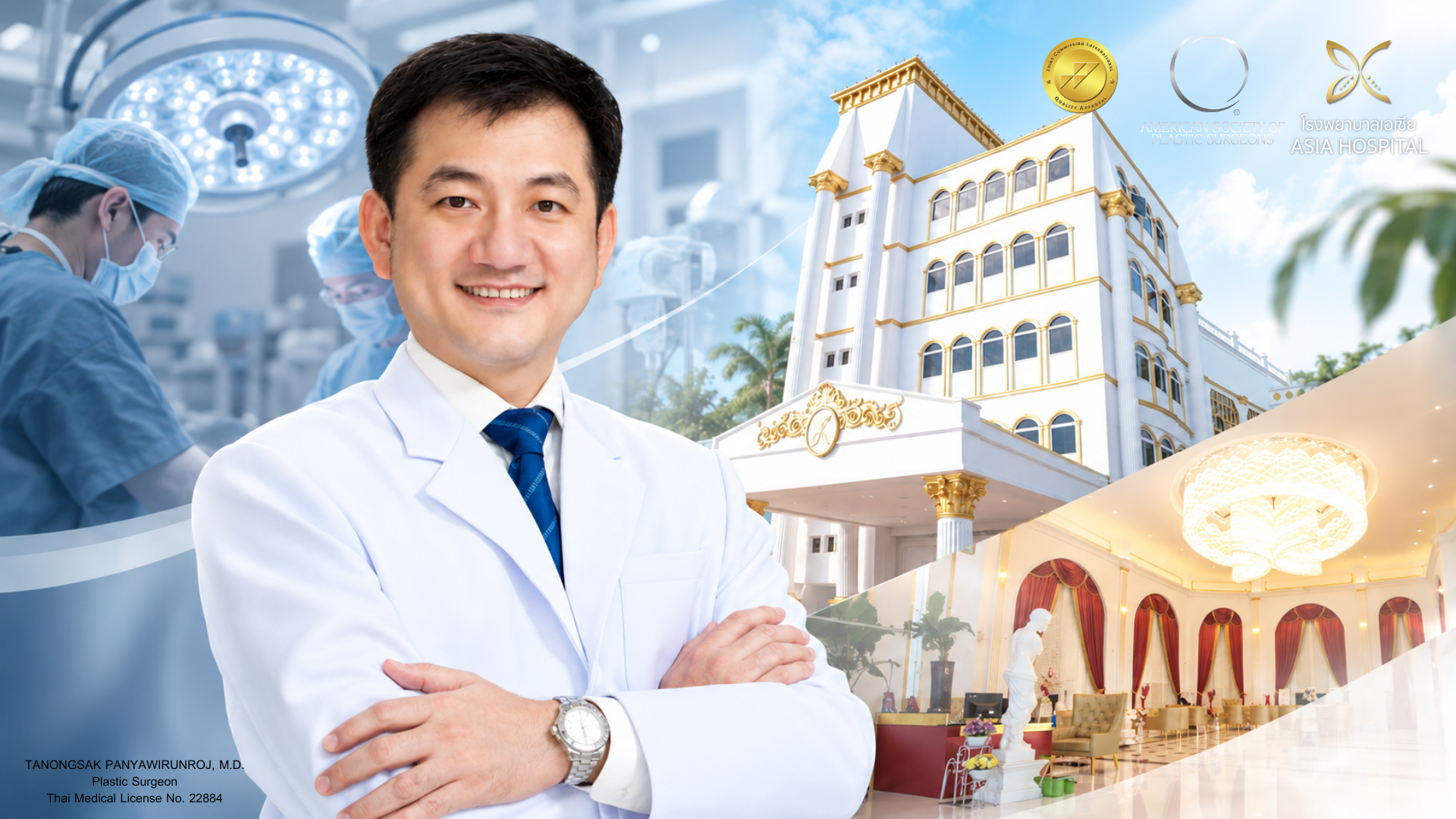
Behind the Surgery: Getting to Know Dr. Tanongsak Panyawirunroj of Asia Cosmetic Hospital
When people think of plastic surgery, they often focus first on what can be seen after a procedure the shape of the face, the nose, the eyes, the breasts, or the contours of the body. Yet behind every visible change lies a far more complex process involving anatomical knowledge, surgical experience, patient assessment, and a series of medical decisions made before, during, and after surgery.