Endoscopy: A Simple and Accurate Diagnostic Procedure for Gastrointestinal Disorders
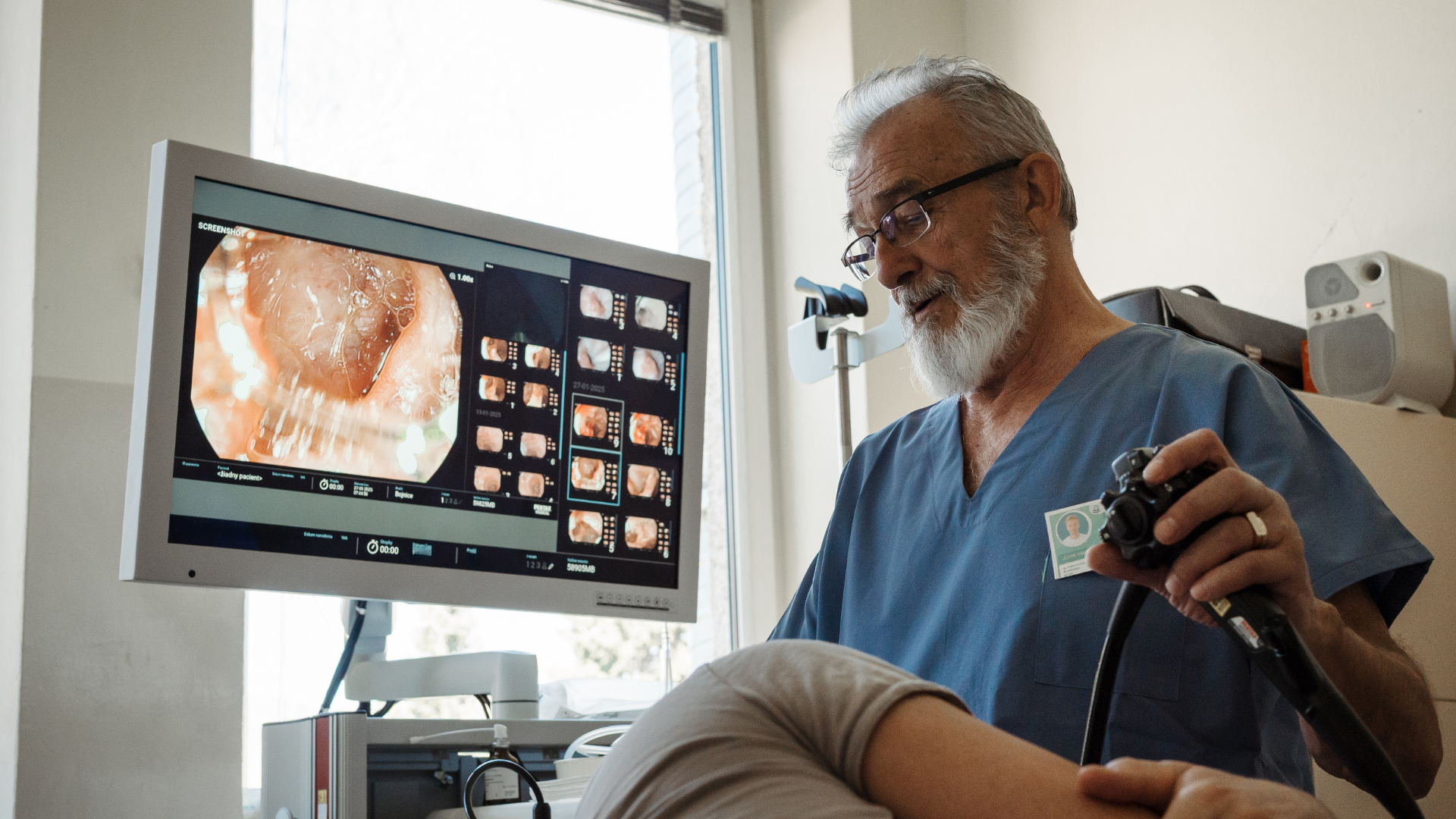
Gastrointestinal abnormalities often present with vague or subtle symptoms, causing many people to overlook them until the condition becomes more severe. This can make treatment more difficult in later stages. Therefore, gastrointestinal endoscopy plays a crucial role in early detection of hidden lesions before the disease progresses.
Why Endoscopy Matters Endoscopy is a highly accurate and detailed diagnostic tool that can detect even minor abnormalities. It allows for tissue biopsy without the need for surgery. It is especially recommended for patients with chronic abdominal pain that does not improve with medication, or those experiencing additional symptoms such as unexplained weight loss, loss of appetite, persistent vomiting, or those over 45 years old with gastrointestinal symptoms - as the risk of serious diseases increases with age. It is also crucial for patients with gastrointestinal bleeding, such as vomiting blood, black or bloody stools, or a positive fecal occult blood test. Patients with unexplained chronic diarrhea should also consider undergoing endoscopic evaluation.
Gastrointestinal abnormalities often present with vague or subtle symptoms, causing many people to overlook them until the condition becomes more severe. This can make treatment more difficult in later stages. Therefore, gastrointestinal endoscopy plays a crucial role in early detection of hidden lesions before the disease progresses.

Types of Gastrointestinal Endoscopy
- Upper Gastrointestinal Endoscopy (Gastroscopy):
This procedure uses a small flexible tube equipped with a camera to examine the upper part of the digestive tract. The tube is inserted through the mouth to inspect the esophagus, stomach, and the duodenum (the first part of the small intestine). Gastroscopy is typically performed on patients with symptoms such as difficulty swallowing, chronic abdominal pain, or persistent upper abdominal bloating and discomfort with no identifiable cause. It is also used in cases of vomiting blood. This procedure can detect stomach ulcers, gastrointestinal bleeding, or tumors within the upper digestive tract.
- Colonoscopy (Lower Gastrointestinal Endoscopy):
This involves inserting a small flexible tube through the rectum to examine the entire colon and sometimes the end of the small intestine. It is generally performed in patients who have persistent bowel issues such as chronic diarrhea, constipation, alternating diarrhea and constipation, blood in the stool, or an abdominal mass. It is also recommended for those at risk of colorectal cancer or polyps. Regular colonoscopy screening is advised for individuals aged 45 and older, with follow-up every 5–10 years, to detect conditions such as colitis, diverticulosis, polyps, or colorectal tumors.
Why Endoscopy Matters
Endoscopy is a highly accurate and detailed diagnostic tool that can detect even minor abnormalities. It allows for tissue biopsy without the need for surgery. It is especially recommended for patients with chronic abdominal pain that does not improve with medication, or those experiencing additional symptoms such as unexplained weight loss, loss of appetite, persistent vomiting, or those over 45 years old with gastrointestinal symptoms - as the risk of serious diseases increases with age. It is also crucial for patients with gastrointestinal bleeding, such as vomiting blood, black or bloody stools, or a positive fecal occult blood test. Patients with unexplained chronic diarrhea should also consider undergoing endoscopic evaluation.
Reference :
Independent Writer
Share this article
More Articles
Discover more insights on health care and medical tourism.

Medical Wellness by Hertitude: Longevity Medicine at Aman Nai Lert Bangkok
On the 8th floor of Aman Nai Lert Bangkok, within the seven-acre green seclusion of Nai Lert Park in the heart of the city's Lumphini district, sits Medical Wellness by Hertitude Clinic a physician-led longevity and wellness practice built into one of Bangkok's most private luxury addresses. The clinic occupies part of the hotel's 1,500-square-metre Aman Spa & Wellness centre, positioned on its own floor alongside the Aman Spa above it, forming what the hotel describes as a seamless synthesis of advanced medical wellness and traditional Thai healing.

Genetic Testing for Cancer Risk: Understanding Your Inherited Blueprint for Prevention
Cancer develops through a complex combination of genetic, environmental and lifestyle factors. While behaviors such as smoking, alcohol consumption, diet, physical activity and exposure to certain harmful substances can influence cancer risk, inherited genetic variants can also make some individuals more susceptible to certain types of cancer.

Behind the Surgery: Getting to Know Dr. Tanongsak Panyawirunroj of Asia Cosmetic Hospital
When people think of plastic surgery, they often focus first on what can be seen after a procedure the shape of the face, the nose, the eyes, the breasts, or the contours of the body. Yet behind every visible change lies a far more complex process involving anatomical knowledge, surgical experience, patient assessment, and a series of medical decisions made before, during, and after surgery.