Effects of Smoking
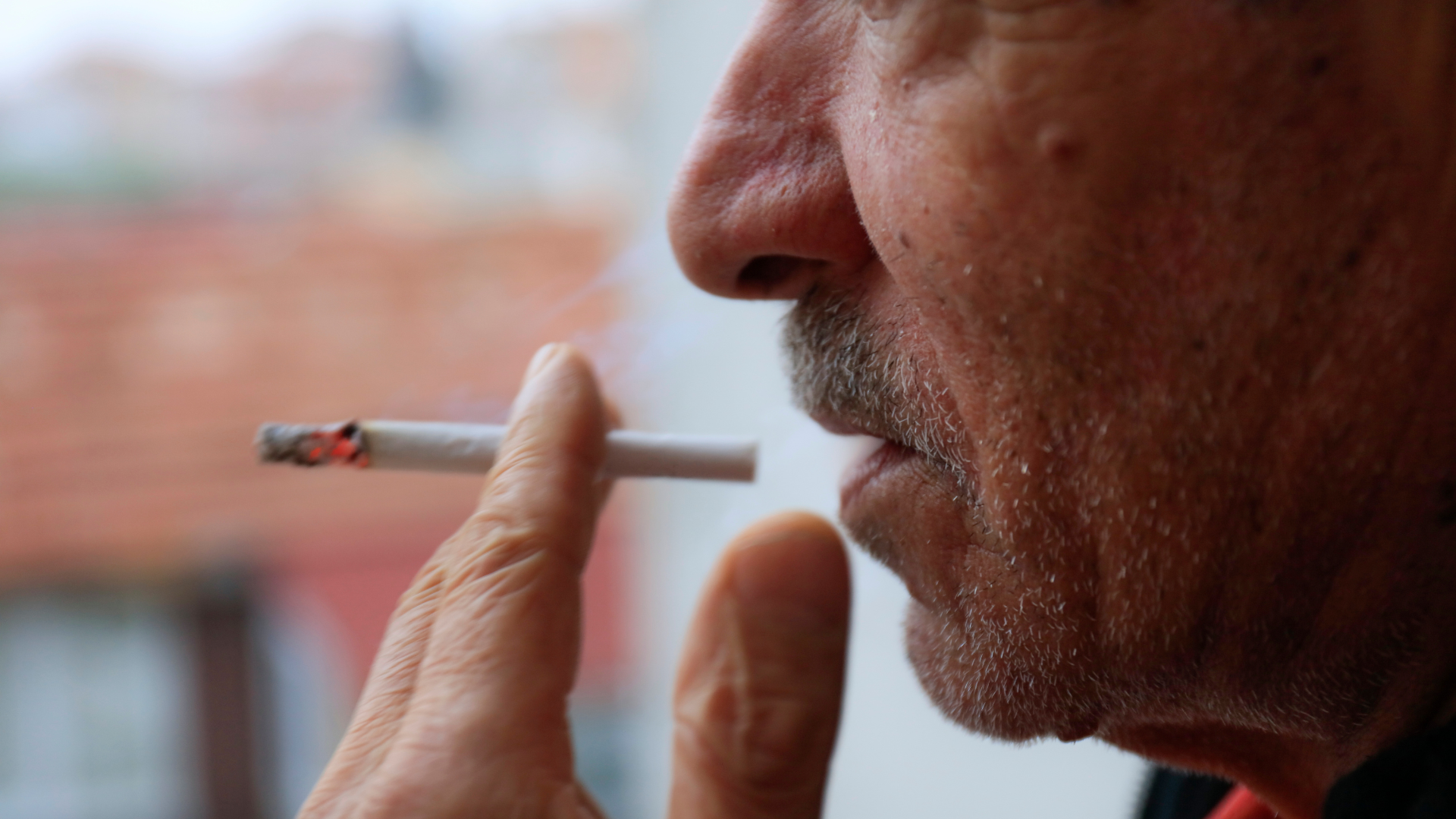
Smoking not only harms overall health, including the lungs, heart, and brain, but also directly affects the mouth, gums, and teeth. The following are important oral health effects associated with smoking.
1. Reduced Saliva Production and Dry Mouth
Smoking can reduce saliva production, leading to dry mouth.
When there is insufficient saliva, plaque can attach to the teeth more easily. This increases the risk of:
๐ Gingivitis
๐ Tooth decay
๐ Oral discomfort
๐ Increased bacterial growth
2. Chronic Bad Breath
Chemicals in cigarettes can cause strong and persistent bad breath.
Chronic bad breath may affect confidence in social situations and make communication or interaction with others more uncomfortable.
3. Yellow and Brown Stains on the Teeth
Nicotine and other substances in cigarettes can cause yellow or brown stains to build up on the teeth.
These stains can make the teeth appear dull and reduce the overall attractiveness of the smile.
4. Increased Risk of Gum Disease
Smoking causes the blood vessels in the gums to constrict, reducing the amount of blood supplied to the gum tissue.
This may result in:
๐ Slower healing of wounds inside the mouth
๐ Increased risk of gingivitis
๐ Greater risk of periodontitis
๐ Progressive damage to the tissues supporting the teeth
Because smoking reduces blood circulation, some signs of gum inflammation, such as bleeding, may also be less noticeable even when gum disease is present.
5. Increased Risk of Oral Cancer
Smoking significantly increases the risk of developing oral cancer.
Medical information indicates that people who smoke approximately 5-14 cigarettes per day may have twice the risk of tooth loss compared with non-smokers.
For people who smoke more than 20 cigarettes per day, the risk of oral cancer may be up to ten times higher.
6. Long-Term Effects and Smoking Cessation
After quitting smoking, it may take approximately 10-12 years for the risk of oral cancer to decrease to a level similar to that of a non-smoker.
Even though the recovery process takes time, quitting smoking remains one of the best decisions for improving both oral and overall health.
How to Quit Smoking
Several methods may help people stop smoking, including:
๐ Nicotine chewing gum
๐ Nicotine patches
๐ Medical consultation
๐ Support from a smoking cessation clinic
๐ Behavioural support and encouragement from family members
Quitting smoking may be challenging, but it is achievable with determination and appropriate support. It can protect not only your own health but also the health of the people around you.
Reference :
Independent Writer
Share this article
More Articles
Discover more insights on health care and medical tourism.

Medical Wellness by Hertitude: Longevity Medicine at Aman Nai Lert Bangkok
On the 8th floor of Aman Nai Lert Bangkok, within the seven-acre green seclusion of Nai Lert Park in the heart of the city's Lumphini district, sits Medical Wellness by Hertitude Clinic a physician-led longevity and wellness practice built into one of Bangkok's most private luxury addresses. The clinic occupies part of the hotel's 1,500-square-metre Aman Spa & Wellness centre, positioned on its own floor alongside the Aman Spa above it, forming what the hotel describes as a seamless synthesis of advanced medical wellness and traditional Thai healing.

Genetic Testing for Cancer Risk: Understanding Your Inherited Blueprint for Prevention
Cancer develops through a complex combination of genetic, environmental and lifestyle factors. While behaviors such as smoking, alcohol consumption, diet, physical activity and exposure to certain harmful substances can influence cancer risk, inherited genetic variants can also make some individuals more susceptible to certain types of cancer.

Behind the Surgery: Getting to Know Dr. Tanongsak Panyawirunroj of Asia Cosmetic Hospital
When people think of plastic surgery, they often focus first on what can be seen after a procedure the shape of the face, the nose, the eyes, the breasts, or the contours of the body. Yet behind every visible change lies a far more complex process involving anatomical knowledge, surgical experience, patient assessment, and a series of medical decisions made before, during, and after surgery.