Dust Mite Allergy: Home Control, Treatment & Immunotherapy

Dust Mite Allergy
What should you do if you’re allergic to dust mites?
For people who test positive for dust mite allergy and have allergic symptoms, reduce exposure by managing the home environment as follows:
1. Wash bed linens weekly in hot water at 60°C for 30 minutes to kill dust mites.
2. Use dust-mite-proof covers for the mattress and pillows.
3. Ensure bedroom ventilation to reduce humidity-open bedroom doors and windows for at least 1 hour a day, or maintain indoor relative humidity around 50%.
4. Choose a vacuum cleaner with a HEPA filter.
5. Clean the home and bedroom with a damp cloth.
6. Avoid carpets and fabric-upholstered furniture in the bedroom.
7. Do not keep plush/stuffed toys in the bedroom.
8. Keep pets out of the bedroom.
9. Sun-dry mattresses, pillows, and rugs in strong sunlight for at least 3 hours to help kill dust mites.
If symptoms do not improve after environmental control, see a doctor for medications such as antihistamines; if symptoms are severe, an intranasal corticosteroid spray may also be needed as appropriate.
New options for people with dust-mite allergy
For patients with allergic rhinitis or asthma caused by dust-mite allergy whose symptoms have not improved despite environmental control and optimal medications, allergen immunotherapy is an option. This targeted treatment can modify the immune system so the body tolerates dust mites better and symptoms improve.
Allergen immunotherapy for dust mites is available as both subcutaneous injections and sublingual (under-the-tongue) formulations. The two methods differ as follows:
๐ Subcutaneous immunotherapy (SCIT): standardized dust-mite extracts are injected in small, regular doses. Initially, injections are given once weekly with gradual dose increases over 5-6 months until a maintenance dose is reached, then spaced to once monthly for 3-5 years before considering discontinuation. Allergic reactions may occur-such as hives, asthma, laryngeal swelling, hypotension, or anaphylaxis-so this treatment must be administered by an allergy specialist.
๐ Sublingual immunotherapy (SLIT): an oral option held under the tongue. Suitable for those who dislike injections and convenient because it can be taken at home with infrequent clinic visits; severe systemic allergic reactions are uncommon.
source : Synphaet Children's Hospital
Independent Writer
Share this article
More Articles
Discover more insights on health care and medical tourism.

Wellness Tourism in Thailand | Why Travelers Come for More Than a Holiday
When people think about Thailand, beaches, street food, temples, and vibrant city life usually come to mind. But in recent years, something has changed. More travelers are arriving with a different purpose — not only to explore, but to improve their wellbeing, reduce stress, undergo preventive health screening, or simply take better care of themselves.

Medical Tourism in Thailand: Where Getting Well Feels Like the Trip of a Lifetime
Imagine waking up in Bangkok, overlooking the Chao Phraya River as long-tail boats drift past your window. Hours later, you've completed a full health screening at a world-class hospital, reviewed your results, and are enjoying iced coffee by a rooftop pool before dinner at Asiatique.
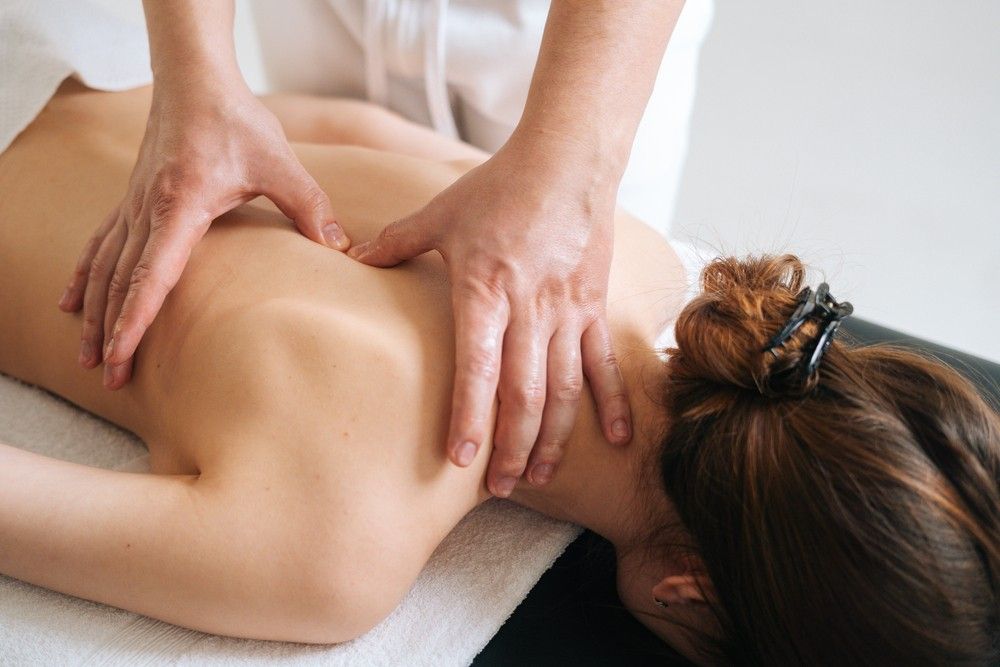
Difference Between “General Massage” and “Anatomy & Wellness Massage”
Anatomy & Wellness Massage combines relaxation with an understanding of muscle structure and body balance. It helps relieve tension, muscle pain, and stiffness, restore movement, and address the root causes of discomfort. Suitable for people with Office Syndrome or chronic muscle pain.