Disease Influenza
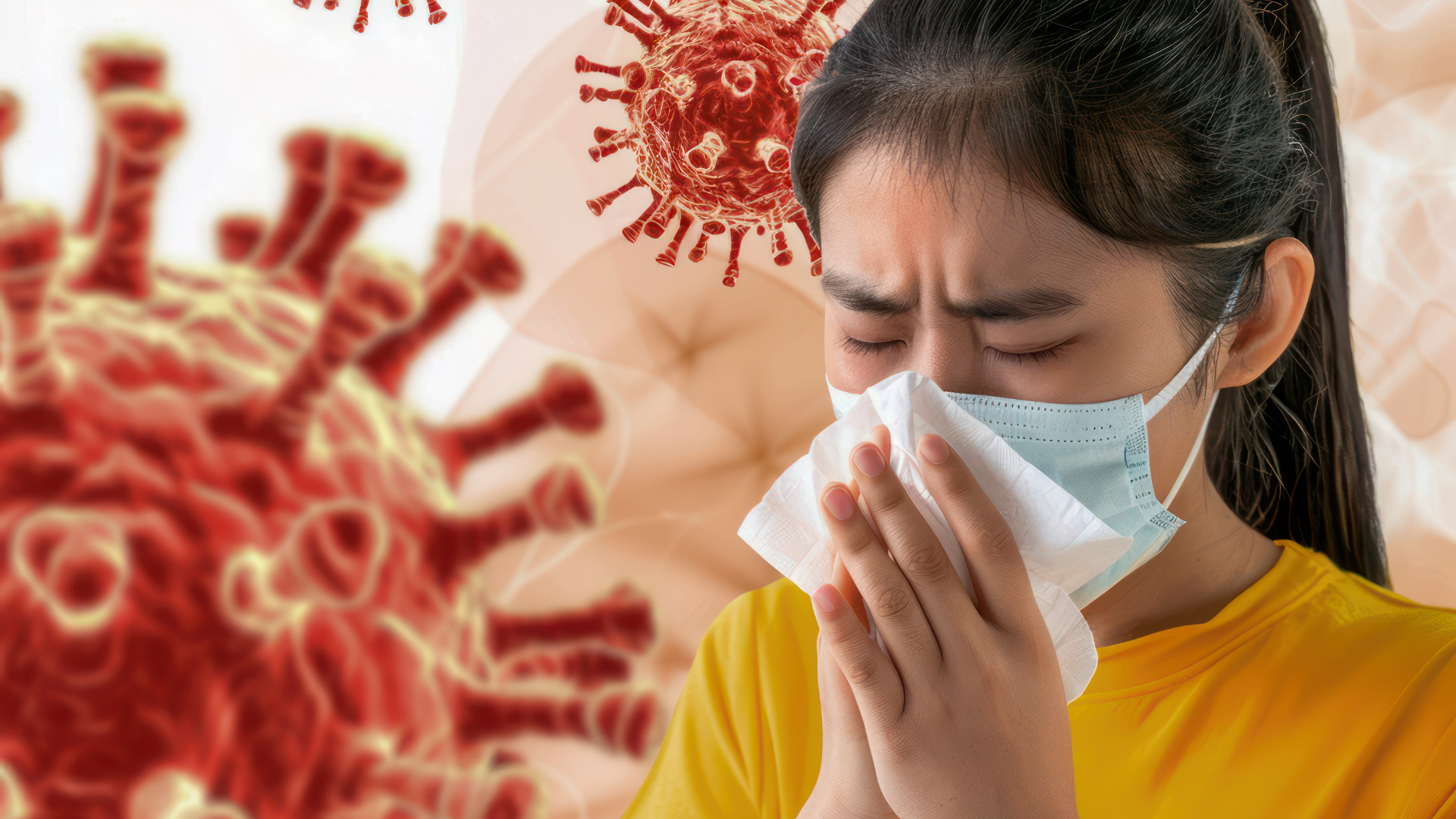
Influenza Transmission and Seasonal Outbreaks
Influenza can spread throughout the year. In Thailand, infections are commonly reported during the rainy and cooler seasons, although outbreaks may occur at other times.
Because circulating influenza strains change and protection from vaccination decreases over time, seasonal influenza vaccination is generally recommended every year.
Who Can Receive the Influenza Vaccine?
Annual influenza vaccination is generally recommended for people aged six months and above who do not have a medical contraindication. The vaccine may be given to children, adults, older people, and people with chronic medical conditions.
Pregnant women can receive an inactivated influenza vaccine during any stage of pregnancy. Vaccination also helps provide antibodies that may protect the baby during the first months of life, when infants are still too young to receive the vaccine themselves. Breastfeeding is not a reason to avoid influenza vaccination.
Types of Influenza Vaccines
Influenza vaccine formulations are reviewed and updated regularly to match the viruses expected to circulate during each season.
Depending on the product, country, and vaccination programme, vaccines may be formulated to protect against three or four influenza strains.
Trivalent Influenza Vaccine
A trivalent vaccine protects against:
๐ Two influenza A viruses, usually A(H1N1) and A(H3N2)
๐ One influenza B virus from the B/Victoria lineage
For the 2026 Southern Hemisphere season, the World Health Organization recommends a trivalent formulation.
Quadrivalent Influenza Vaccine
A quadrivalent vaccine contains:
๐ Two influenza A strains
๐ Two influenza B strains
Although the World Health Organization has recommended transitioning towards trivalent vaccines because the B/Yamagata lineage is no longer considered necessary, quadrivalent influenza vaccines may still be available in countries where the transition is not yet complete. Quadrivalent vaccines continued to be offered by some Department of Disease Control services in Thailand in 2026.
Benefits of Influenza Vaccination
Influenza vaccination cannot prevent every infection, but it can help:
๐ Reduce the likelihood of developing influenza
๐ Reduce the severity of illness
๐ Lower the risk of influenza-related complications
๐ Reduce the likelihood of hospitalisation
๐ Reduce the risk of severe illness and death, particularly among vulnerable groups
The vaccine should be updated annually because influenza viruses change and immunity from previous vaccination gradually declines.
Who Should Prioritise Influenza Vaccination?
Although most people aged six months and above may receive the vaccine, vaccination is particularly important for those at increased risk of serious complications.
Priority groups include:
๐ Pregnant women
๐ Young children aged six months and above
๐ Adults aged 65 years and above
๐ People living with obesity
๐ People with neurological conditions or disabilities that limit their ability to care for themselves
๐ People with thalassaemia or weakened immune systems
๐ People living with symptomatic HIV infection
๐ Patients receiving chemotherapy or immunosuppressive treatment
๐ People with chronic obstructive pulmonary disease
๐ People with asthma
๐ People with heart disease
๐ People with cerebrovascular disease
๐ People with kidney failure
๐ People with diabetes
Thailand’s Department of Disease Control continues to promote annual influenza vaccination among recognised high-risk groups to reduce serious illness and deaths from complications.
Who Should Not Receive or Should Postpone the Vaccine?
Children Younger Than Six Months
Influenza vaccines are not licensed for infants younger than six months. Protection during this period may be supported through maternal vaccination during pregnancy and vaccination of close family members.
Previous Severe Allergic Reaction to an Influenza Vaccine
A person who has experienced a severe allergic reaction, such as anaphylaxis, after a previous influenza vaccine or to a known vaccine component should consult a doctor before receiving another dose.
The doctor may recommend a different vaccine formulation, administration in a medically supervised setting, or evaluation by an allergy specialist.
Moderate or Severe Acute Illness
People who are moderately or severely unwell, with or without a fever, may be advised to postpone vaccination until their condition improves.
A mild illness or low-grade fever does not always require vaccination to be delayed, but suitability should be assessed by a healthcare professional.
Influenza Vaccination and Egg Allergy
Egg allergy alone is no longer considered a reason to avoid influenza vaccination.
Current guidance indicates that people with egg allergies may receive any influenza vaccine that is otherwise appropriate for their age and health condition. Standard precautions for recognising and treating allergic reactions should be available wherever vaccines are administered.
How Often Should the Influenza Vaccine Be Given?
Most people should receive influenza vaccination once every year.
Some children younger than nine years old who have never previously received an influenza vaccine may require two doses during their first vaccination season, usually given at least four weeks apart. The exact schedule should follow the doctor’s advice and the instructions for the vaccine being used.
Summary
Influenza is a contagious respiratory infection that can occur throughout the year and may cause serious complications in young children, older adults, pregnant women, and people with chronic diseases or weakened immune systems.
Reference:
Independent Writer
Share this article
More Articles
Discover more insights on health care and medical tourism.

Medical Wellness by Hertitude: Longevity Medicine at Aman Nai Lert Bangkok
On the 8th floor of Aman Nai Lert Bangkok, within the seven-acre green seclusion of Nai Lert Park in the heart of the city's Lumphini district, sits Medical Wellness by Hertitude Clinic a physician-led longevity and wellness practice built into one of Bangkok's most private luxury addresses. The clinic occupies part of the hotel's 1,500-square-metre Aman Spa & Wellness centre, positioned on its own floor alongside the Aman Spa above it, forming what the hotel describes as a seamless synthesis of advanced medical wellness and traditional Thai healing.

Genetic Testing for Cancer Risk: Understanding Your Inherited Blueprint for Prevention
Cancer develops through a complex combination of genetic, environmental and lifestyle factors. While behaviors such as smoking, alcohol consumption, diet, physical activity and exposure to certain harmful substances can influence cancer risk, inherited genetic variants can also make some individuals more susceptible to certain types of cancer.

Behind the Surgery: Getting to Know Dr. Tanongsak Panyawirunroj of Asia Cosmetic Hospital
When people think of plastic surgery, they often focus first on what can be seen after a procedure the shape of the face, the nose, the eyes, the breasts, or the contours of the body. Yet behind every visible change lies a far more complex process involving anatomical knowledge, surgical experience, patient assessment, and a series of medical decisions made before, during, and after surgery.