Common Acne Myths That Can Lead to Permanent Acne Scars

Many people underestimate certain types of acne, believing they will disappear on their own. However, some forms of inflammatory acne can damage the deeper layers of the skin and eventually lead to permanent acne scars if not treated properly.
Which Types of Acne Are More Likely to Cause Acne Scars?
1. Pustular Acne (Pustules)
Pustular acne is an inflammatory acne caused by bacterial infection, most commonly Cutibacterium acnes, within the hair follicle. This leads to the formation of pus, which contains white blood cells that the body sends to fight the infection.
Characteristics of pustular acne
- Red, raised bumps with a white or yellow center (pus head)
- Usually small to medium in size
- Painful when pressed
- Often appears alongside other inflammatory acne types such as papules or nodules
- If untreated, pus may rupture beneath the skin and trigger deeper inflammation
Why can pustular acne lead to acne scars?
- Severe inflammation can rupture the follicle wall and spread into the dermis
- Collagen destruction occurs as inflammatory processes damage surrounding skin tissue
- Skin tissue loss may create empty spaces beneath the skin after healing
- Squeezing or picking acne increases infection spread and inflammation, raising the risk of scar formation
2. Nodular Acne (Nodules)
Nodular acne is a severe form of inflammatory acne caused by a combination of excess sebum, dead skin cells, and Cutibacterium acnes infection inside the follicle. Unlike pustules, the inflammation extends deep into the dermis, forming large and painful lumps.
Characteristics of nodular acne
- Large, firm, red lumps beneath the skin
- No visible head, making it impossible to squeeze out
- Very painful, especially when touched
- Can last several weeks and is difficult to resolve
Why can nodular acne lead to acne scars?
- Deep inflammation affects the dermis and sometimes the subcutaneous layer
- Significant collagen damage due to prolonged inflammation
- Abnormal healing response, where the body replaces damaged tissue with fibrous scar tissue
- Higher risk of scarring compared to pustular acne because lesions are larger and deeper
3. Cystic Acne
Cystic acne is the most severe type of inflammatory acne. It occurs when oil (sebum), dead skin cells, and Cutibacterium acnes accumulate and form large cyst-like structures under the skin. The inflammation is usually extensive, deep, and long-lasting.
Without proper treatment, cystic acne carries the highest risk of permanent acne scars.
Characteristics of cystic acne
- Large, swollen red lumps, much bigger than nodules
- Often filled with pus, but no visible head
-Extremely painful even without touching
- Multiple cysts may connect under the skin (confluent cysts)
- Can persist for weeks or even months
Why can cystic acne lead to acne scars?
- Extensive and deep inflammation damages both the dermis and subcutaneous fat layer
- Cyst rupture may spread pus and inflammatory debris to surrounding skin
- Dense fibrous tissue formation during healing replaces normal skin tissue
- Leads to permanent atrophic scars (depressed acne scars)
Source : Doctornat
**Translated and compiled by ArokaGO Content Team
Independent Writer
Share this article
More Articles
Discover more insights on health care and medical tourism.

Wellness Tourism in Thailand | Why Travelers Come for More Than a Holiday
When people think about Thailand, beaches, street food, temples, and vibrant city life usually come to mind. But in recent years, something has changed. More travelers are arriving with a different purpose — not only to explore, but to improve their wellbeing, reduce stress, undergo preventive health screening, or simply take better care of themselves.

Medical Tourism in Thailand: Where Getting Well Feels Like the Trip of a Lifetime
Imagine waking up in Bangkok, overlooking the Chao Phraya River as long-tail boats drift past your window. Hours later, you've completed a full health screening at a world-class hospital, reviewed your results, and are enjoying iced coffee by a rooftop pool before dinner at Asiatique.
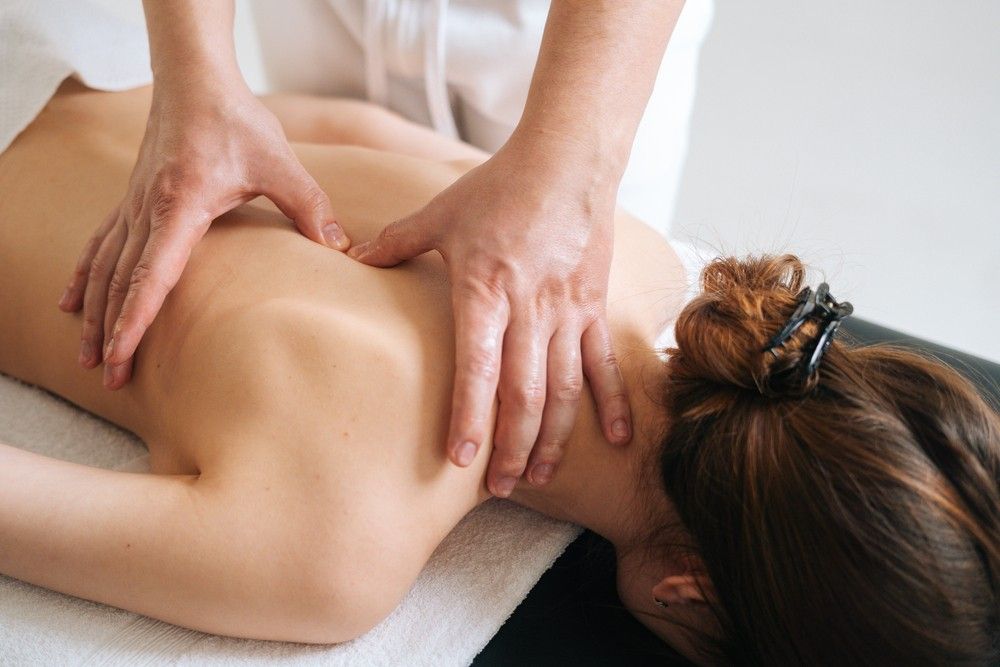
Difference Between “General Massage” and “Anatomy & Wellness Massage”
Anatomy & Wellness Massage combines relaxation with an understanding of muscle structure and body balance. It helps relieve tension, muscle pain, and stiffness, restore movement, and address the root causes of discomfort. Suitable for people with Office Syndrome or chronic muscle pain.