Children and Dental Problems
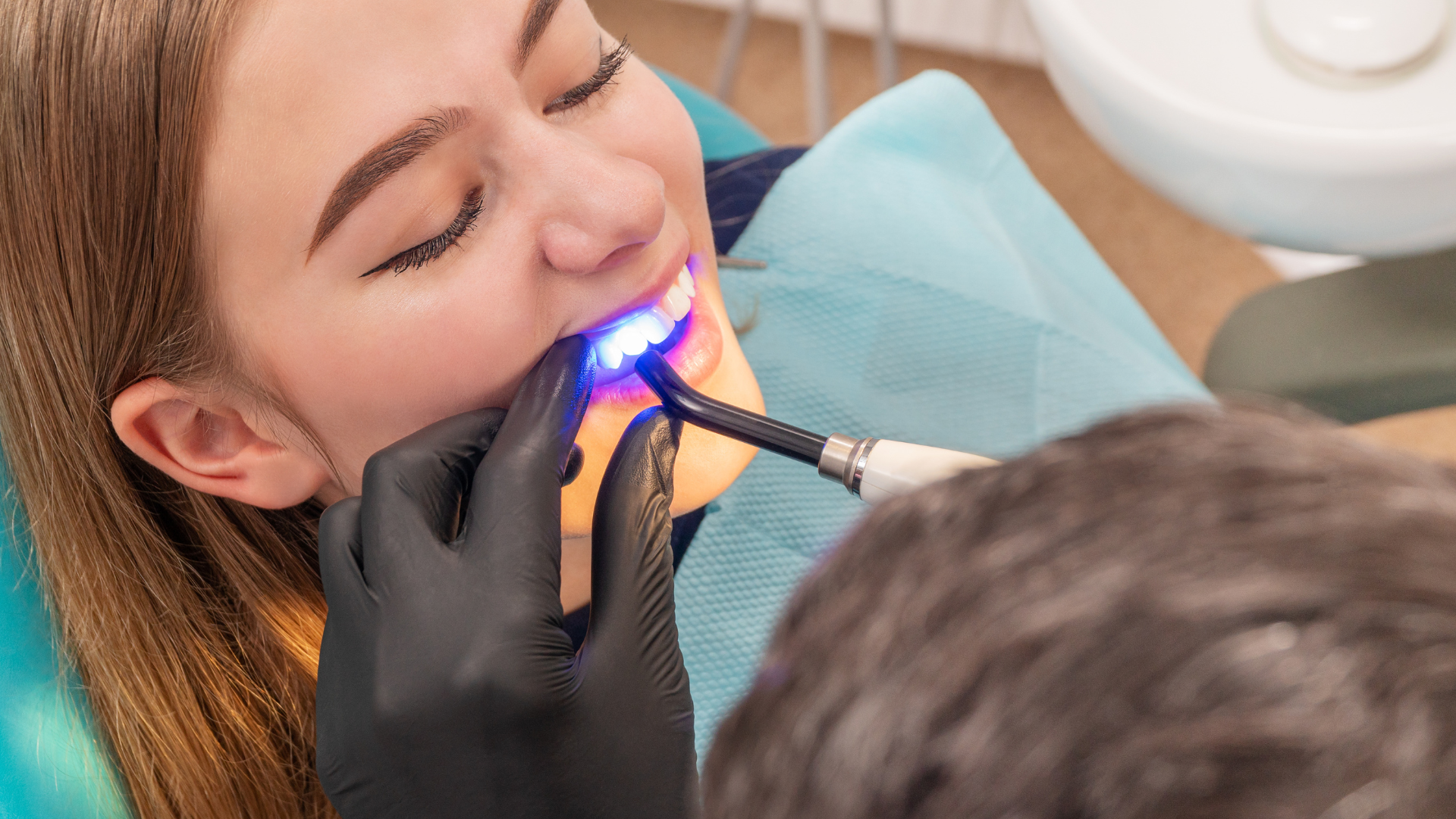
Children and Dental ProblemsAn important dental problem in children is tooth decay.Causes of Tooth DecayTooth decay occurs when bacteria in dental plaque react with sugar from food residue in the mouth, producing acid. This acid can become concentrated enough to damage the surface of the teeth, eventually leading to tooth decay.
An important dental problem in children is tooth decay.
Causes of Tooth Decay
Tooth decay is caused when bacteria in dental plaque react with sugars from food residue in the mouth, producing acid that is strong enough to damage the tooth surface and lead to cavities. Normally, when the teeth are clean and free from food deposits, saliva is slightly alkaline and acts as a buffer to maintain the acid–base balance in the mouth. However, if the mouth is not clean and food debris remains trapped between the teeth, saliva becomes more acidic because Streptococcus mutans bacteria produce enzymes that break down sucrose and generate acid in the oral cavity. If enough acid is produced and the pH level in the mouth drops below 4.5, the tooth surface begins to erode. The acid reacts with calcium in the enamel and dentin, dissolving calcium and phosphate from the tooth structure. As a result, the tooth surface becomes weakened, soft, and porous, eventually forming a cavity. If left untreated, the cavity will continue to grow larger and deeper, moving closer to the dental pulp, which can later cause tooth sensitivity or toothache.
Stages of Tooth Decay in Children and Their Treatment
1. Early-stage tooth decay
At this stage, small holes begin to form in the enamel. The decay appears as shallow cavities, often seen as brown or black spots on the tooth surface. There is usually no pain or sensitivity at this point.
Treatment: Dental sealants or fillings.
2. Tooth decay extending into the dentin
At this stage, the decay has spread deeper into the dentin layer. The child may begin to experience tooth sensitivity, especially when drinking cold water. Treatment: Fillings, with a more complex procedure than in the early stage. In some cases, local anesthesia may be used before the filling to prevent sensitivity or pain during treatment.
Prevention
- Brush the teeth properly and thoroughly with fluoride toothpaste after every meal. Do not allow food residue to remain in the mouth for a long time.
- Have a dental check-up with a dentist every 6 months.
- Molars with deep pits and fissures can easily trap food and are difficult to clean, making them more likely to develop cavities. A dentist should apply dental sealants to help prevent tooth decay.
- Choose nutritious foods for children, such as meat, milk, eggs, vegetables, and fruits. Sugary and sticky foods should be avoided.
3. Tooth decay reaching the pulp
At this stage, toothache is always present. Treatment: The infected upper portion of the pulp is removed, and medication is placed to preserve the remaining healthy pulp (pulpotomy), followed by a filling. If the decay is too extensive to be restored with a filling, the dentist may place a stainless steel crown. This crown will naturally come off when the baby tooth falls out and the permanent tooth erupts.
4. Abscess or infection around the tooth root
At this stage, swelling may also occur. The symptoms are more severe than in the earlier stages, and the pain is usually intense and distressing. Some children may have difficulty opening their mouth, along with swollen cheeks, a swollen chin, or even swollen eyelids.
Treatment: If the tooth can still be saved, root canal treatment and a crown may be performed. In severe cases where the tooth cannot be treated, extraction is necessary, followed by placement of a **space maintainer** to preserve the space for the permanent tooth to erupt properly.
Independent Writer
Share this article
More Articles
Discover more insights on health care and medical tourism.

Wellness Tourism in Thailand | Why Travelers Come for More Than a Holiday
When people think about Thailand, beaches, street food, temples, and vibrant city life usually come to mind. But in recent years, something has changed. More travelers are arriving with a different purpose — not only to explore, but to improve their wellbeing, reduce stress, undergo preventive health screening, or simply take better care of themselves.

Medical Tourism in Thailand: Where Getting Well Feels Like the Trip of a Lifetime
Imagine waking up in Bangkok, overlooking the Chao Phraya River as long-tail boats drift past your window. Hours later, you've completed a full health screening at a world-class hospital, reviewed your results, and are enjoying iced coffee by a rooftop pool before dinner at Asiatique.

Difference Between “General Massage” and “Anatomy & Wellness Massage”
Anatomy & Wellness Massage combines relaxation with an understanding of muscle structure and body balance. It helps relieve tension, muscle pain, and stiffness, restore movement, and address the root causes of discomfort. Suitable for people with Office Syndrome or chronic muscle pain.