Anaemia in Pregnancy and Young Children
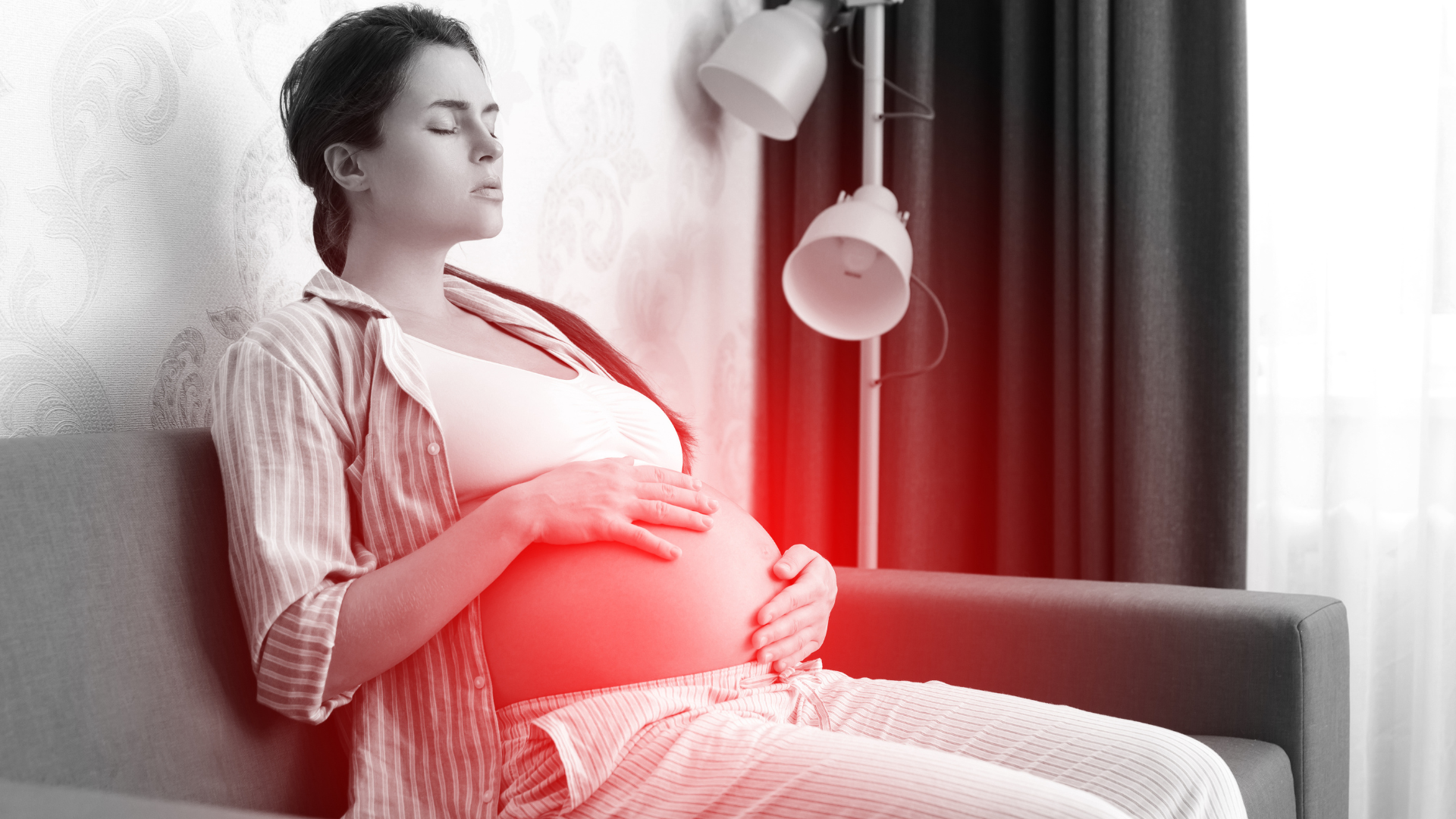
Why Anaemia Is Important During Pregnancy
During pregnancy, the body needs to produce more blood to support both the mother and the developing baby. This increases the demand for iron, folate, vitamin B12, and other nutrients required for red blood cell production.
Untreated or severe anaemia during pregnancy may increase the risk of:
๐ Maternal fatigue and weakness
๐ Reduced ability to tolerate blood loss during childbirth
๐ Premature delivery
๐ Low birth weight
๐ Impaired growth of the baby
๐ Complications affecting maternal and infant health
Regular antenatal examinations and blood tests can help detect anaemia before serious symptoms develop.
Common Causes of Anaemia
Iron Deficiency
Iron deficiency is the most common cause of anaemia during pregnancy.
The body requires additional iron to:
๐ Produce more red blood cells
๐ Support the placenta
๐ Deliver oxygen to the developing baby
๐ Prepare for blood loss during childbirth
Iron deficiency may result from inadequate dietary intake, poor absorption, short intervals between pregnancies, heavy menstrual bleeding before pregnancy, or failure to take prescribed supplements.
Folate Deficiency
Folate is required for the production of healthy red blood cells and the normal development of the baby’s brain and spinal cord.
Folate deficiency may contribute to:
๐ Megaloblastic anaemia
๐ Fatigue and weakness
๐ Abnormal red blood cell production
๐ An increased risk of neural tube defects in the developing baby
Women planning pregnancy are commonly advised to take folic acid before conception and during early pregnancy according to medical recommendations.
Vitamin B12 Deficiency
Vitamin B12 deficiency is less common but may affect both blood formation and the nervous system.
Possible effects include:
๐ Anaemia
๐ Numbness or tingling
๐ Muscle weakness
๐ Problems with balance
๐ Memory or concentration difficulties
๐ Neurological complications in severe or prolonged cases
The risk may be higher among people who consume little or no animal-derived food, have gastrointestinal disorders, or have difficulty absorbing vitamin B12.
Symptoms to Watch For
Anaemia may develop gradually and initially cause only mild symptoms.
Possible signs include:
๐ Unusual tiredness
๐ Weakness
๐ Pale skin, lips, or inner eyelids
๐ Dizziness or faintness
๐ Shortness of breath
๐ Rapid heartbeat
๐ Headache
๐ Difficulty sleeping
๐ Reduced concentration
๐ Craving non-food substances such as ice, soil, or starch
Severe breathlessness, chest pain, fainting, or a very rapid heartbeat requires prompt medical assessment.
Anaemia in Young Children
Infants and young children need sufficient iron for physical growth and brain development.
Children may be at increased risk when they:
๐ Were born prematurely or with a low birth weight
๐ Have inadequate iron intake
๐ Drink excessive cow’s milk after infancy
๐ Receive a diet low in iron-rich foods
๐ Have chronic blood loss or an underlying medical condition
๐ Experience rapid growth without sufficient nutritional support
Possible signs in children include:
๐ Pale skin
๐ Tiredness or low activity
๐ Irritability
๐ Poor appetite
๐ Slow growth
๐ Reduced attention or learning ability
๐ Delayed development in severe or prolonged cases
Diagnosis
Anaemia is diagnosed through blood tests rather than symptoms alone.
Tests may include:
๐ Haemoglobin level
๐ Haematocrit
๐ Red blood cell indices
๐ Serum ferritin and iron studies
๐ Folate and vitamin B12 levels
๐ Tests for inherited blood disorders when appropriate
In Thailand and other regions where thalassaemia is common, doctors may also assess whether anaemia is related to an inherited haemoglobin disorder rather than nutritional deficiency.
Prevention and Treatment
Treatment depends on the underlying cause.
General measures may include:
๐ Eating iron-rich foods such as lean meat, liver in medically appropriate amounts, eggs, legumes, dark-green vegetables, and iron-fortified products
๐ Consuming vitamin C-rich foods to support iron absorption
๐ Taking iron, folic acid, or vitamin B12 supplements as prescribed
๐ Avoiding tea or coffee close to iron-rich meals because they may reduce iron absorption
๐ Attending regular antenatal or paediatric appointments
๐ Treating blood loss, infection, or other underlying conditions
Iron supplements should be taken according to medical advice. Excessive or unnecessary iron may cause side effects and can be harmful in some medical conditions.
When to Consult a Doctor
Pregnant women and parents should seek medical advice when symptoms of anaemia are present, particularly when accompanied by:
๐ Significant weakness
๐ Persistent dizziness
๐ Shortness of breath
๐ Rapid heartbeat
๐ Poor appetite or poor growth in a child
๐ Pale skin that becomes increasingly noticeable
๐ Failure to improve despite taking supplements
Early diagnosis and appropriate treatment can help protect the health, development, and wellbeing of both mother and child.
Reference :
Kasemrad Hospital Ramkhamhaeng Anaemia in Pregnancy and Young Children
Independent Writer
Share this article
More Articles
Discover more insights on health care and medical tourism.

Medical Wellness by Hertitude: Longevity Medicine at Aman Nai Lert Bangkok
On the 8th floor of Aman Nai Lert Bangkok, within the seven-acre green seclusion of Nai Lert Park in the heart of the city's Lumphini district, sits Medical Wellness by Hertitude Clinic a physician-led longevity and wellness practice built into one of Bangkok's most private luxury addresses. The clinic occupies part of the hotel's 1,500-square-metre Aman Spa & Wellness centre, positioned on its own floor alongside the Aman Spa above it, forming what the hotel describes as a seamless synthesis of advanced medical wellness and traditional Thai healing.
Genetic Testing for Cancer Risk: Understanding Your Inherited Blueprint for Prevention
Cancer develops through a complex combination of genetic, environmental and lifestyle factors. While behaviors such as smoking, alcohol consumption, diet, physical activity and exposure to certain harmful substances can influence cancer risk, inherited genetic variants can also make some individuals more susceptible to certain types of cancer.

Behind the Surgery: Getting to Know Dr. Tanongsak Panyawirunroj of Asia Cosmetic Hospital
When people think of plastic surgery, they often focus first on what can be seen after a procedure the shape of the face, the nose, the eyes, the breasts, or the contours of the body. Yet behind every visible change lies a far more complex process involving anatomical knowledge, surgical experience, patient assessment, and a series of medical decisions made before, during, and after surgery.