5 Types of Headaches: What Is Your Body Trying to Tell You?
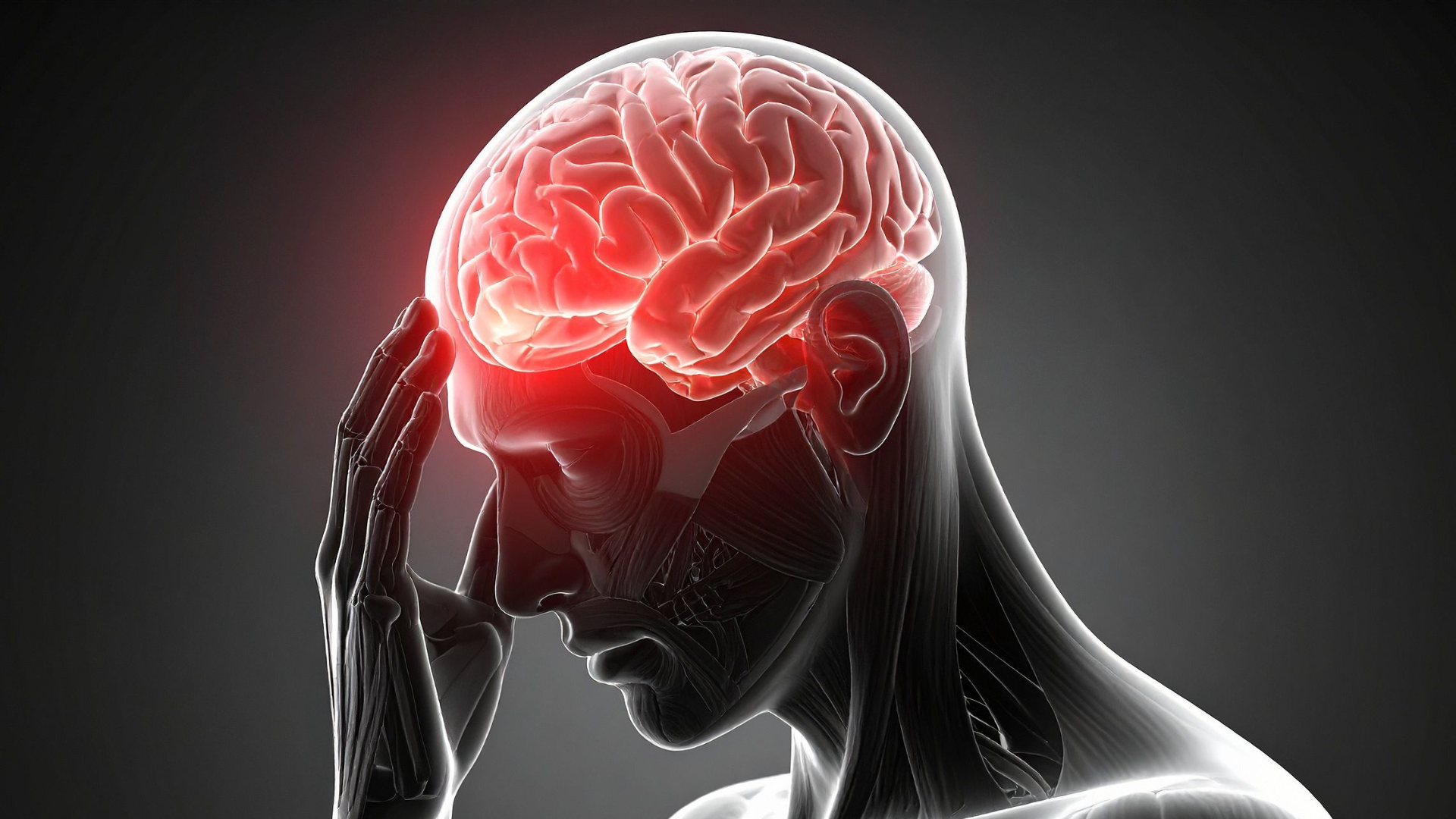
Headaches may seem like a common, harmless occurrence-but in some cases, they can be an important warning sign. If you frequently experience headaches, it might be time to take a closer look. Even minor symptoms could be signaling an underlying condition you’ve never considered.
Here are five types of headaches and what they might indicate
1. Migraine Headaches
A migraine typically presents as a throbbing pain on one side of the head, and may worsen with bright lights, loud sounds, or physical movement. Nausea and vomiting often accompany the pain, which can last from 4 to 72 hours. Symptoms generally improve with rest in a cool, dark, and quiet environment.
2. Tension Headaches
This type of headache often feels like a dull, squeezing, or band-like pressure around the head, sometimes radiating to the back of the neck or behind the eyes. It tends to occur in the afternoon or evening, commonly triggered by stress or muscle tension. Adequate rest and relaxation are key to relieving these symptoms.
3. Headache Related to Stroke
A sudden and severe headache, especially when accompanied by symptoms such as facial drooping, slurred speech, imbalance, limb weakness, blurred vision, or decreased consciousness, may be a sign of a stroke. This is a medical emergency-immediate hospital evaluation is critical to prevent permanent disability or death.
4. Headache Caused by a Brain Tumor
If you experience frequent and progressively worsening headaches, along with nausea, vomiting, speech difficulties, visual disturbances, problems with walking, or seizures (especially if you’ve never had them before), these could be signs of a brain tumor and should be investigated without delay.
5. Cluster Headaches
Cluster headaches are intense, one-sided headaches, more severe than migraines. They may be accompanied by pain around one eye, redness or tearing of the eye, and sweating on the same side of the head. The attacks are brief, typically lasting from 5 minutes to 3 hours, but can occur in repetitive cycles.
When Should You See a Doctor?
If you’re unsure about the cause of your headache or if your symptoms are unusual or severe, consult a physician for a thorough diagnosis. Early detection not only brings peace of mind, but can also restore your quality of lif-before it’s too late
source :Phyathai Sriracha Hospital
Independent Writer
Share this article
More Articles
Discover more insights on health care and medical tourism.

Wellness Tourism in Thailand | Why Travelers Come for More Than a Holiday
When people think about Thailand, beaches, street food, temples, and vibrant city life usually come to mind. But in recent years, something has changed. More travelers are arriving with a different purpose — not only to explore, but to improve their wellbeing, reduce stress, undergo preventive health screening, or simply take better care of themselves.

Medical Tourism in Thailand: Where Getting Well Feels Like the Trip of a Lifetime
Imagine waking up in Bangkok, overlooking the Chao Phraya River as long-tail boats drift past your window. Hours later, you've completed a full health screening at a world-class hospital, reviewed your results, and are enjoying iced coffee by a rooftop pool before dinner at Asiatique.

Difference Between “General Massage” and “Anatomy & Wellness Massage”
Anatomy & Wellness Massage combines relaxation with an understanding of muscle structure and body balance. It helps relieve tension, muscle pain, and stiffness, restore movement, and address the root causes of discomfort. Suitable for people with Office Syndrome or chronic muscle pain.