5 food sources containing (Vitamin) D
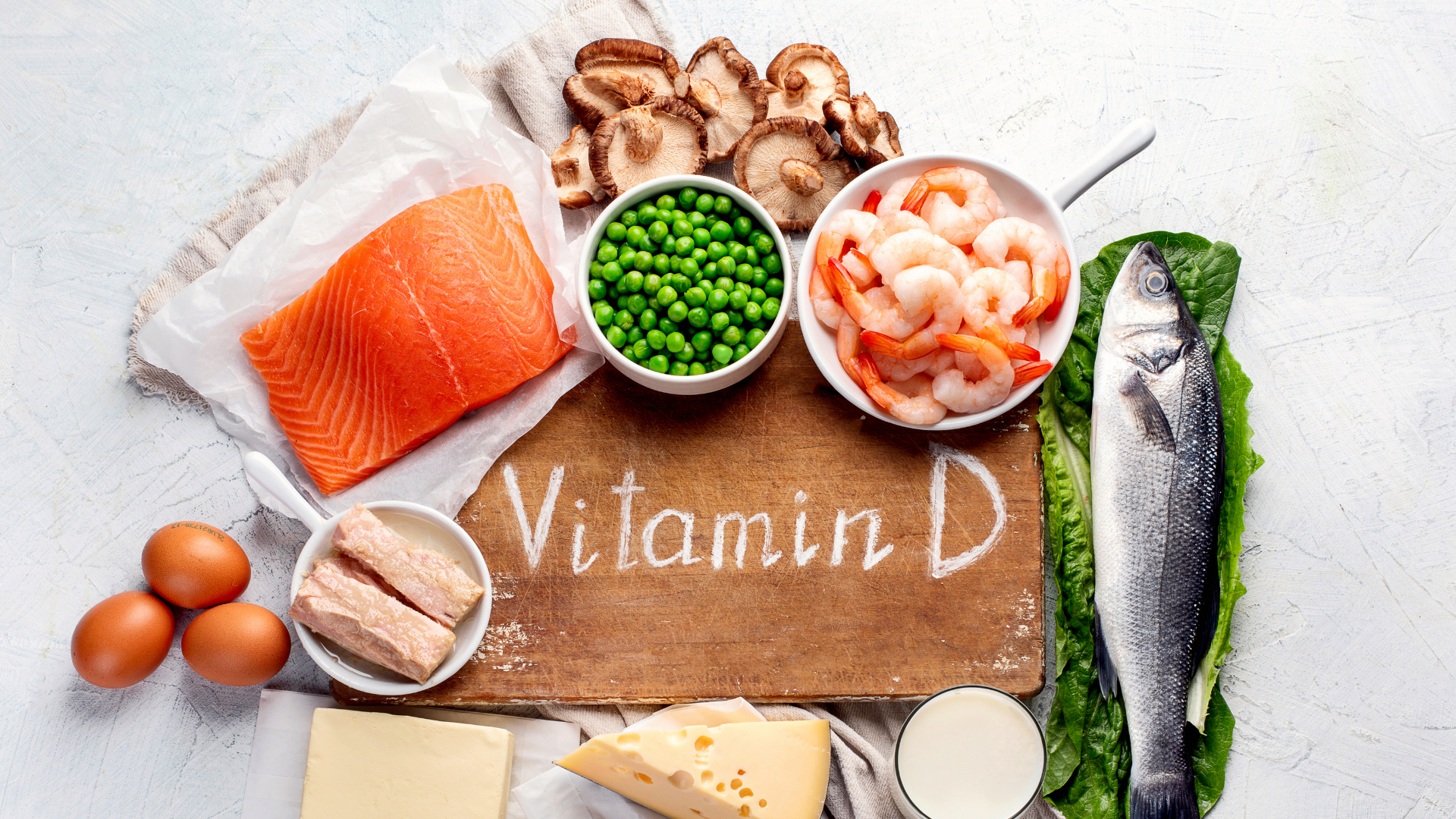
We've heard quite a lot lately about the importance of Vitamin D. Each day our body needs an average of 600 - 800 IU of vitamin D, but where can we find vitamin D from natural food sources? Today, W9 Wellness has 5 sources of high vitamin D in food to recommend. Let's take a look.
Vitamin D from natural food sources
1. Cod liver oil (cod liver oil) 1 tablespoon: 1360 IU
Cod liver oil is a very high source of Vitamin D. In 1 tablespoon Contains 1,360 IU of vitamin D In addition to being high in vitamin D, it is also high in Omega 3. Most of us know it as cod liver oil that we ate when we were children. Things to be careful about when consuming cod liver oil are: You should not consume more than your doctor recommends. Because it will cause you to get too much vitamin D.
2. Swordfish, 3 ounces: 566 IU
Swordfish or Swordfish is a sea fish with a long pointed mouth resembling a sword. 3 ounces (85 g) cooked swordfish fillets Contains 566 IU of vitamin D yes
3. Salmon (salmon) 3 ounces: 447 IU
Salmon is a fish that we are all familiar with. 3 ounces (85 g) cooked salmon fillet Contains 447 IU of vitamin D And this salmon is also a good source of good fats like Omega 3. If possible, you should eat deep sea fish such as salmon at least 2 times a week so that your body receives the basic levels of vitamin D and Omega 3 that your body needs.
4. Canned tuna, 3 ounces: 154 IU
canned tuna It is a food that is not difficult to find nowadays. and can be stored for a long time. Canned tuna 3 ounces (85 g) Contains 154 IU of vitamin D In addition to vitamin D Also contains vitamin B3 (Niacin) and vitamin K. But what should you be careful about in canned tuna? Mercury contamination Which mercury causes the creation of free radicals. and disrupt cell division And it may also trigger dangerous autoimmune reactions. If eaten continuously for a long time It can cause mercury poisoning, which can be life-threatening.
5. Egg yolks (egg yolk) 1 large egg: 41 IU
For people allergic to seafood or not eating fish Egg yolks are a great way to get your vitamin D from natural food sources. (Although not a lot) 1 large egg yolk Contains 41 IU of vitamin D Which is compared to the amount of vitamin D that the body needs each day. You need to eat as many as 15-20 egg yolks, which will also increase your fat intake. But if it's difficult to find foods that are high in vitamin D to eat in sufficient quantities each day, W9 Wellness Center has options to make your life easier. We offer both vitamins and vitamins for use. and an injection that will allow the body to fully use vitamins without having to be absorbed.
W9 Wellness Center helps you (have vitamins) to be good enough easily.
Reference :
W9 Wellness Center
Share this article
More Articles
Discover more insights on health care and medical tourism.

Medical Wellness by Hertitude: Longevity Medicine at Aman Nai Lert Bangkok
On the 8th floor of Aman Nai Lert Bangkok, within the seven-acre green seclusion of Nai Lert Park in the heart of the city's Lumphini district, sits Medical Wellness by Hertitude Clinic a physician-led longevity and wellness practice built into one of Bangkok's most private luxury addresses. The clinic occupies part of the hotel's 1,500-square-metre Aman Spa & Wellness centre, positioned on its own floor alongside the Aman Spa above it, forming what the hotel describes as a seamless synthesis of advanced medical wellness and traditional Thai healing.
Genetic Testing for Cancer Risk: Understanding Your Inherited Blueprint for Prevention
Cancer develops through a complex combination of genetic, environmental and lifestyle factors. While behaviors such as smoking, alcohol consumption, diet, physical activity and exposure to certain harmful substances can influence cancer risk, inherited genetic variants can also make some individuals more susceptible to certain types of cancer.
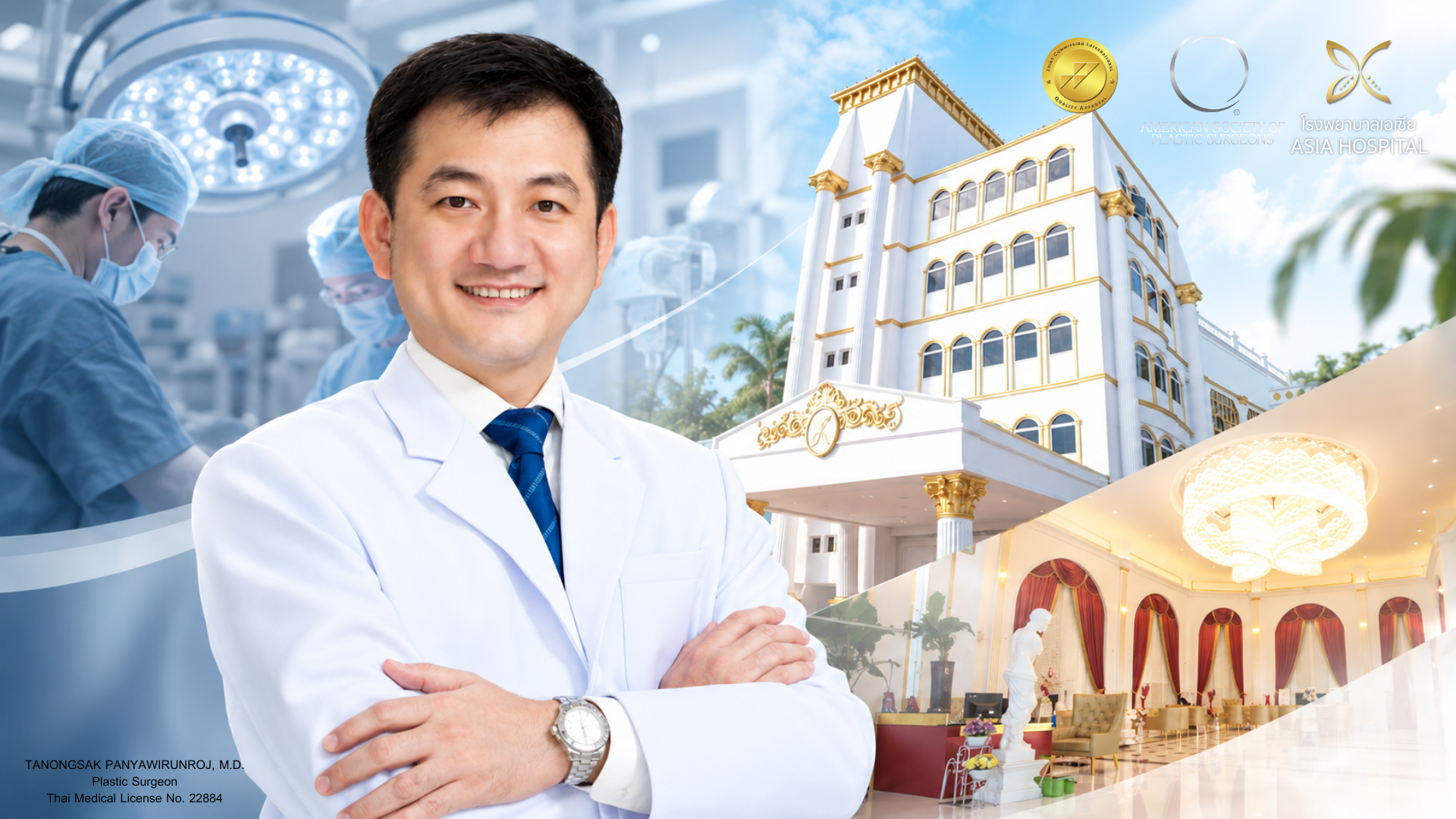
Behind the Surgery: Getting to Know Dr. Tanongsak Panyawirunroj of Asia Cosmetic Hospital
When people think of plastic surgery, they often focus first on what can be seen after a procedure the shape of the face, the nose, the eyes, the breasts, or the contours of the body. Yet behind every visible change lies a far more complex process involving anatomical knowledge, surgical experience, patient assessment, and a series of medical decisions made before, during, and after surgery.