5 Essential Nutrition Tips Every First-Time Mother Should Know
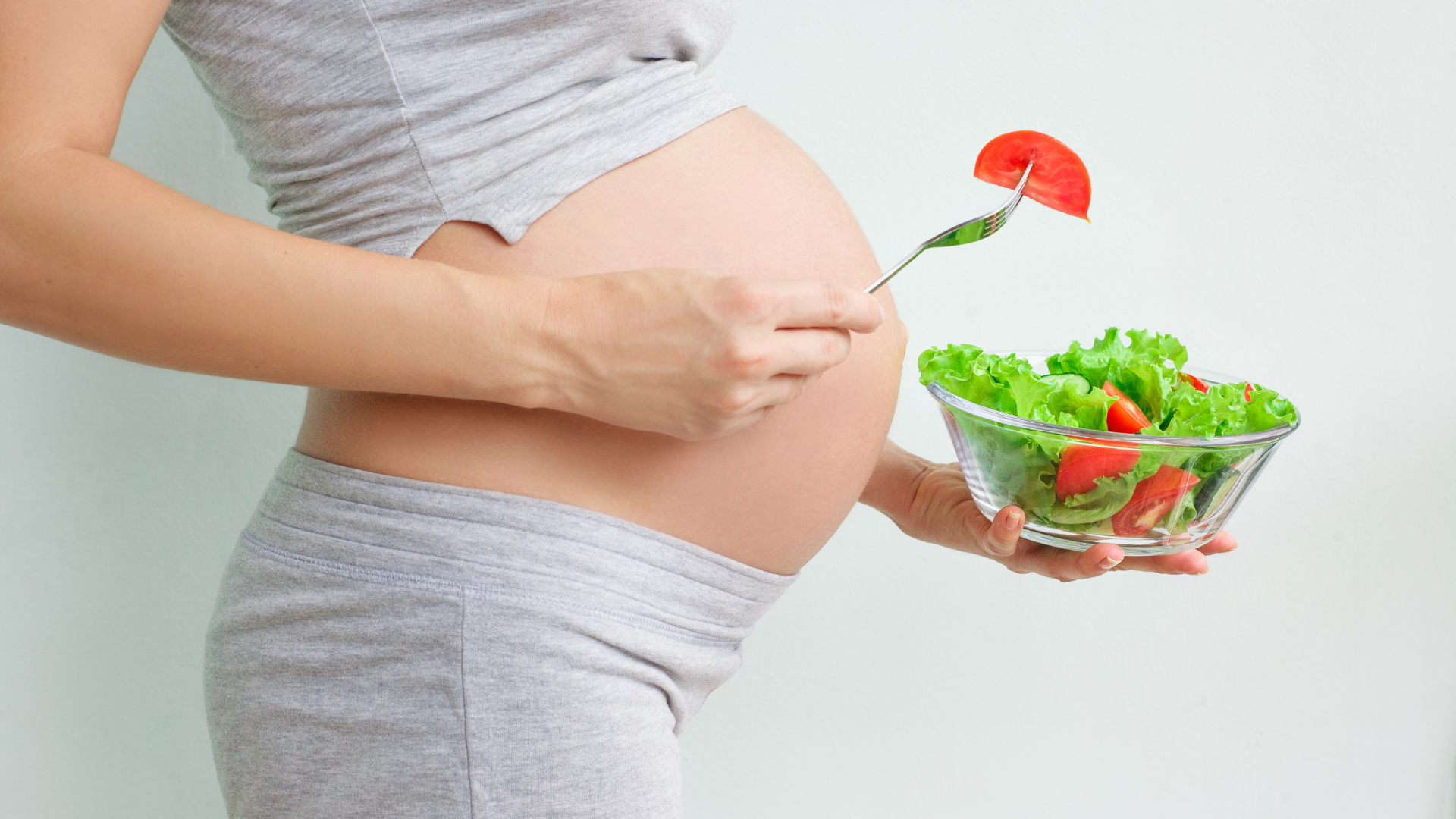
To help first-time mothers better understand healthy pregnancy nutrition, our fertility clinic in Bangkok is pleased to provide guidance on how to nourish both yourself and your baby appropriately. Based on our extensive experience, this article presents five important nutrition tips for new mothers.
1. What Nutrients Do Pregnant Women Need?
During pregnancy, you need more vitamins, minerals, protein, and calories. To meet these increased nutritional needs, focus on nutrient-dense foods such as:
๐ Fruits and vegetables, especially a variety of colours
๐ Whole grains, such as oats, brown rice, and whole-wheat bread
๐ Lean protein, such as chicken, turkey, fish, eggs, beans, and lentils
๐ Low-fat or reduced-fat dairy products, such as milk, yoghurt, and cheese
๐ Healthy fats found in nuts, seeds, avocados, and olive oil
In addition to eating nutrient-rich foods, you should take a prenatal vitamin containing folic acid, iron, calcium, and vitamin D to help fill any nutritional gaps.
Most doctors recommend consuming approximately 300 additional calories per day beginning in the second trimester to support your baby’s growth. However, these extra calories should come from nutritious foods rather than junk food or sugary drinks.
2. What Are the Nutrition Recommendations for the First Trimester?
Calorie requirements during the first trimester are generally similar to those before pregnancy. However, nutritional needs increase immediately after pregnancy begins.
During the early weeks of pregnancy, getting enough folic acid from food and supplements is particularly important for reducing the risk of neural tube defects, such as spina bifida.
Taking a supplement containing at least 400 micrograms of folic acid, together with foods rich in folate, can help you reach the recommended daily intake of approximately 600-800 micrograms.
Foods rich in folate include:
๐ Green leafy vegetables
๐ Citrus fruits
๐ Beans and lentils
๐ Folate-fortified cereals
Getting enough iron, calcium, protein, and omega-3 fatty acids is also especially important during the early stages of fetal growth.
Source: Australian Government website
3. What Are the Best Nutrients for New Mothers?
Compared with women who are not pregnant or breastfeeding, breastfeeding mothers need additional nutrients. In most cases, breastfeeding women require approximately 330-400 extra calories per day compared with their pre-pregnancy intake to provide sufficient energy and support milk production.
Producing breast milk uses approximately 500 calories per day.
In addition to the nutrients mentioned above, mothers should focus on the following nutrients after childbirth.
Protein
Lean protein provides amino acids, which are important components of breast milk. Mothers should aim to consume approximately 25-35 grams of protein per meal, together with protein-rich snacks.
Calcium and Vitamin D
Calcium and vitamin D work together to maintain the mother’s bone strength during breastfeeding and provide essential minerals to the baby.
Good sources of calcium and vitamin D include:
๐ Low-fat dairy products
๐ Canned fish with edible bones
๐ Green leafy vegetables
๐ Juices or milk fortified with calcium and vitamin D
Omega-3 Fatty Acids
Omega-3 fatty acids are healthy fats found in fish, walnuts, flaxseeds, and eggs. They play an important role in supporting the baby’s brain development.
Mothers should aim to include omega-3-rich foods in approximately one to two meals per day.
Water
Drinking enough water, milk, and other suitable beverages helps prevent dehydration and supports breast milk production.
Source: Nutrisense website
4. What Can Pregnant Women Do to Help Their Babies Be Born Healthy?
In addition to eating nutritious foods, the following practices may support a healthy pregnancy and baby.
Take Prenatal Vitamins
Even with a nutritious diet, it may be difficult to obtain every required nutrient from food alone. Prenatal vitamins can help provide nutrients that may be missing from the diet.
Exercise Regularly
Aim for approximately 30 minutes of gentle exercise each day, provided your doctor considers it safe. Regular exercise may help maintain energy, reduce constipation, prepare the body for childbirth, and improve overall health.
Gain Weight Gradually
Consult your obstetrician to determine an appropriate pregnancy weight-gain target based on your pre-pregnancy body mass index.
In general, women who begin pregnancy at a healthy weight may be advised to gain approximately 11-16 kilograms.
Get Enough Folic Acid
This B vitamin is essential for the development of the baby’s nervous system, particularly during the first trimester, often before many women realise they are pregnant.
The generally recommended amount is approximately 400-800 micrograms per day.
Increase Iron Intake
The mother’s blood volume increases significantly during pregnancy, which also increases the need for iron. Pregnant women should consume iron-rich foods or take supplements when recommended to help prevent anaemia.
Drink Enough Fluids
Drinking enough water, milk, and suitable juices helps maintain blood volume, prevent constipation, reduce swelling, and prepare the body for breast milk production after childbirth.
5. Eat Food Safely
Avoid foods that may be contaminated with bacteria, viruses, or parasites that could harm the unborn baby.
Foods to avoid or handle carefully include:
๐ Raw or undercooked meat, fish, and eggs
๐ Unpasteurised dairy products and juices
๐ Processed meats, such as ham and hot dogs, unless reheated thoroughly
๐ Fish containing high levels of mercury, such as swordfish and tilefish
๐ Soft cheeses unless they are made from pasteurised milk
๐ Raw sprouts
๐ Unwashed fruits and vegetables
Food should also be prepared carefully. Cook food thoroughly and use separate utensils and preparation surfaces to reduce the risk of cross-contamination.
Reference :
Bangkok Central Clinic IVF&Wellness
Share this article
More Articles
Discover more insights on health care and medical tourism.

Medical Wellness by Hertitude: Longevity Medicine at Aman Nai Lert Bangkok
On the 8th floor of Aman Nai Lert Bangkok, within the seven-acre green seclusion of Nai Lert Park in the heart of the city's Lumphini district, sits Medical Wellness by Hertitude Clinic a physician-led longevity and wellness practice built into one of Bangkok's most private luxury addresses. The clinic occupies part of the hotel's 1,500-square-metre Aman Spa & Wellness centre, positioned on its own floor alongside the Aman Spa above it, forming what the hotel describes as a seamless synthesis of advanced medical wellness and traditional Thai healing.
Genetic Testing for Cancer Risk: Understanding Your Inherited Blueprint for Prevention
Cancer develops through a complex combination of genetic, environmental and lifestyle factors. While behaviors such as smoking, alcohol consumption, diet, physical activity and exposure to certain harmful substances can influence cancer risk, inherited genetic variants can also make some individuals more susceptible to certain types of cancer.
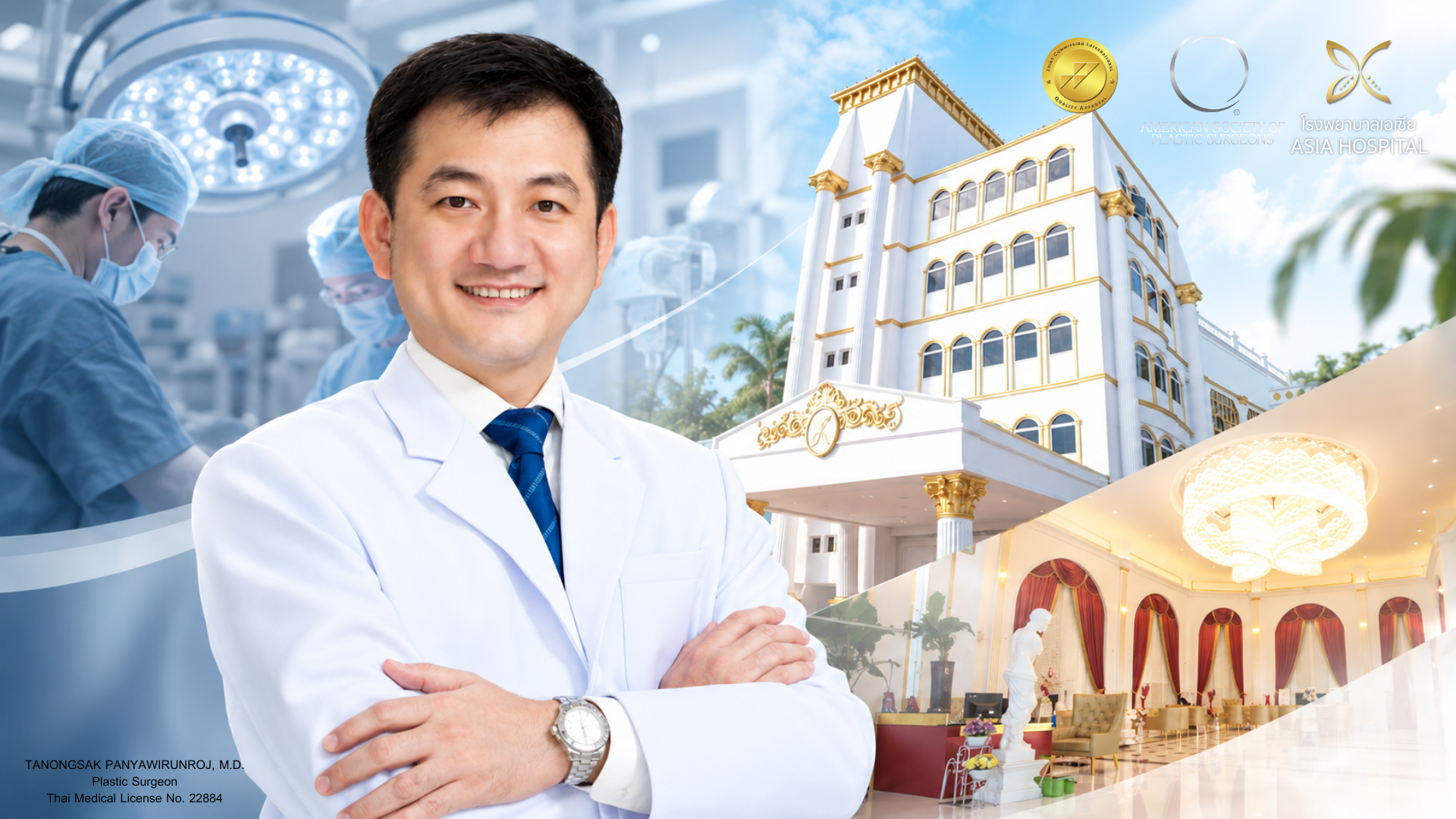
Behind the Surgery: Getting to Know Dr. Tanongsak Panyawirunroj of Asia Cosmetic Hospital
When people think of plastic surgery, they often focus first on what can be seen after a procedure the shape of the face, the nose, the eyes, the breasts, or the contours of the body. Yet behind every visible change lies a far more complex process involving anatomical knowledge, surgical experience, patient assessment, and a series of medical decisions made before, during, and after surgery.