မွန်ပြတ်ခြင်း: ဤပြარနာကို မေ့မလျော်ဘဲ သတိပြုရန်လေးေသာ အချက်အလက္
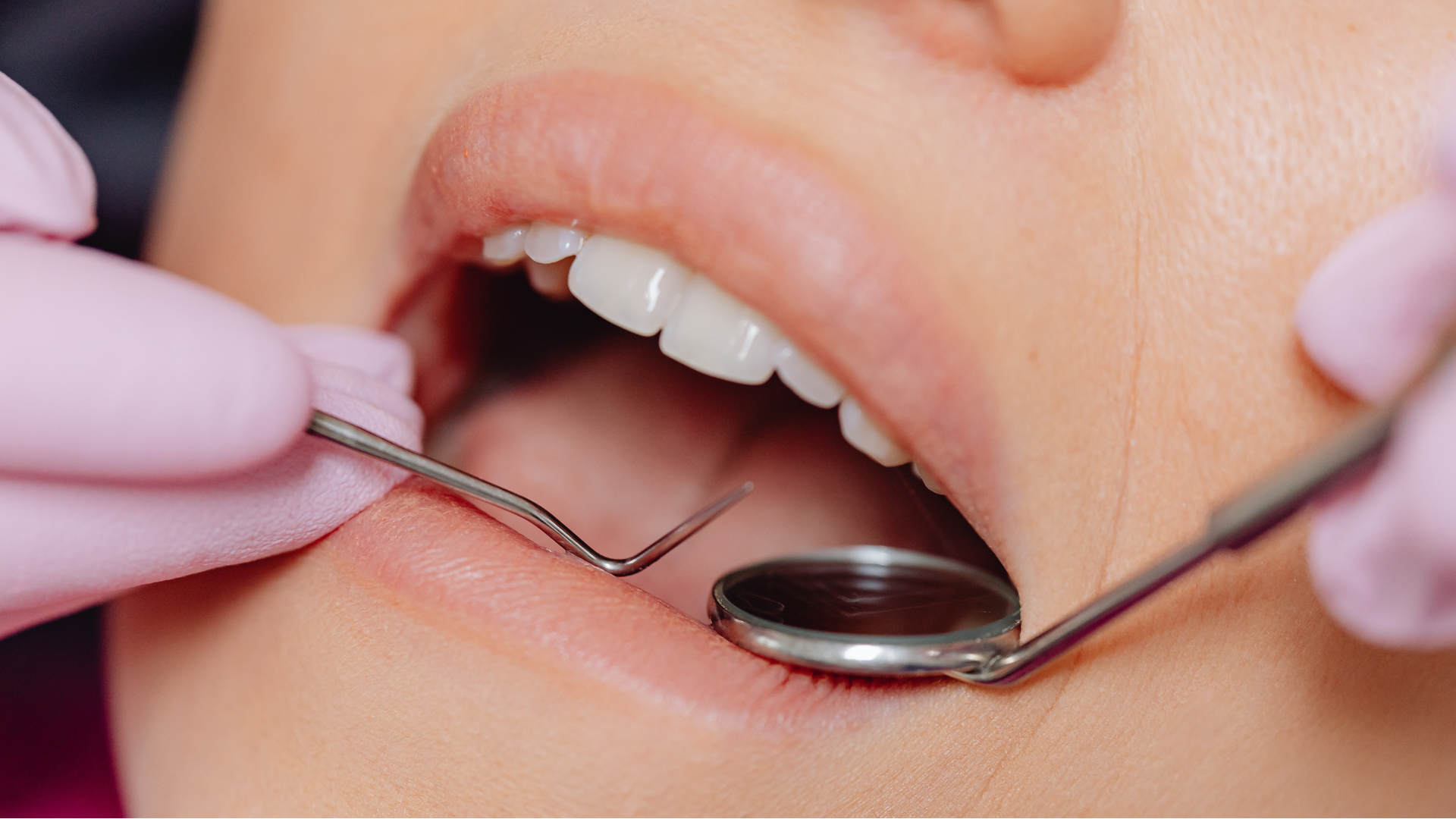
လူအများအနေဖြင့် သွားပုပ်ခြင်းကို တစ်စုံတစ်ရာ နာကြောစတင်လာသောအခါ သွားမြှပ်ခြင်းဖြင့် လွယ်ကူစွာကုသနိုင်သော သန့်ရှင်းမှုဆိုင်ရာ ပြဿနာသေးငယ်တစ်ခုအနေနဲ့သာ သဘောပေါက်ကြပေမယ့်၊ တကယ်ပြောရရင် သွားပုပ်ခြင်းသည် အချိန်မှန်မကုသပါက ယူဆထားသလိုထက် ပိုမိုပြင်းထန်သော ဆားဝဲကျန်းမာရေးထိခိုက်မှုများကို ဖြစ်စေနိုင်သည်။
သွားပုပ်ခြင်းဆိုတာဘာလဲ?
သွားပုပ်ခြင်းသည် ပါးစပ်ထဲရှိ ဘက်တီးရီးယားများက အစားအစာထဲမှ သကြားများကို အသုံးပြု၍ အက်ဆစ်များ ထုတ်လုပ်လာခြင်းကြောင့်ဖြစ်သည်။ ထိုအက်ဆစ်များက သွားအမဲသေတ္တာ (enamel) ကို ကွဲပျက်စေပြီး နောက်ဆုံးတွင် ဝင်ကြော (cavities) များ တည်ထောင်စေသည့် အကြောင်းအရာဖြစ်သည်။ မကုသထားလျှင် သွားပုပ်ခြင်းသည် သွားအတွင်းပိုင်း (dentin) နှင့် သွားသွင်းအူ (pulp) ထိမိအောင် ဆက်လက်ပြင်းထန်လာနိုင်ပြီး၊ သွားနာခြင်းသာမက ပြင်းထန်သော ပိုးဝင်ခြင်းမျိုးသို့တောင် ဆက်လက်ပြောင်းလာနိုင်သည်။
သွားပုပ်ခြင်းမှ ဘက်တီးရီးယား: သင်ထင်ရင်ထက် ပိုမိုအန္တရာယ်ရှိသည်
လူအများအနက် သိ သိမသိ များသောအချက်တစ်ခုကတော့ သွားပုပ်ခြင်းအတွက် တာဝန်ရှိသော ဘက်တီးရီးယားများသည် သွေးလောင်ကြောထဲသို့ ဝင်။ နိုင်သည်။ အထူးသဖြင့် ပါးစပ်တွင်း ဒဏ်ရာများ သို့မဟုတ် ရေရှည်ပိုးဝင်ခြင်းမျိုး ရှိနေပါက ပို၍လွယ်ကူသည်။ မကုသထားလျှင် ဤဘက်တီးရီးယားများသည် နှလုံး၊ အဆုတ် သို့မဟုတ် ဦးနှောက်ကဲ့သို့ အရေးကြီးသော အော်ဂဲန်များသို့ ပြန့်ကျက်နိုင်သည်။
သွားပုပ်ခြင်းနှင့် ဆက်စပ်သော ရောဂါများ
သွေးလည်ပတ်မှုဆိုင်ရာရောဂါ (Cardiovascular Disease)
ပါးစပ်တွင်း ပိုးဝင်ရောဂါများကြောင့် သွေးကြောပူပင်ခြင်းဖြစ်နိုင်သည်။ သွေးကြောပိတ်ခြင်း (blocked arteries) ကဲ့သို့သော အခြေအနေများနှင့်လည်း ဆက်စပ်နေသည်။
အဆုတ်ရောဂါ (Lung Disease)
ပါးစပ်ထဲမှ ဘက်တီးရီးယားများသည် အသက်ရှုလမ်းကြောင်းထဲသို့ ဝင်ရောက်နိုင်ပြီး၊ အရပ်ရပ်အိုသူများ သို့မဟုတ် အိပ်ယာမှာအချိန်ကြာအောင် နေထိုင်ရသူများတွင် အဆုတ်ရောင်ရောဂါများ (pneumonia) ကဲ့သို့သော အဆုတ်ပိုးဝင်ရောဂါများ ဖြစ်နိုင်သည်။
ထိုင်းသမားရောဂါ (Diabetes)
ပါးစပ်တွင်း ပိုးဝင်ရောဂါများကြောင့် သကြားဓာတ်ညှိထိန်းမှု ခက်ခဲစေနိုင်သည်။ ဒါ့ပြင် ထိုင်းသမားရောဂါရှိသူများသည် သွားပုပ်ခြင်းနှင့် သွားဖတ်နာရောဂါ (gum disease) နှစ်မျိုးလုံးအတွက် လူပေါင်းသက်သာစုထက် ပိုမိုအန္တရာယ်၊ စွန့်စားမှုရှိသည်။
သွားပုပ်ခြင်းရှိနိုင်ခြင်းကို မည်သို့သိနိုင်သလဲ?
- သွားပြာများ သို့မဟုတ် မြင်တွေ့နိုင်သည့် အပေါက်ကွဲ (holes) များ
- ပူ၊ ချမ်း၊ ချို အစားအစာများ စားသောက်ရင်း သွားနာခြင်း သို့မဟုတ် သွားဓာတ်ပြင်းခြင်း
- နာရီပေါင်းများစွာ ပါးစပ်မှ အနံ့ဆိုးအမြဲရှိခြင်း
- သွားအရောင်မွဲခြင်း သို့မဟုတ် အညို၊ အနက်ရောင် စက်ဝိုင်းပုံများ
ဤလက္ခဏာများထဲမှ တစ်ခုခုဖြစ်ပေါ်လာပါက လုံးဝလျစ်လျူရှုမခံပါနဲ့။ သင့်သွားအခြေအနေနှင့်သင့်တော်သောကုသမှုအစီအစဉ်ယူနိုင်ရန် အမြန်ဆုံး သွားဆရာဝန်ထံ တွေ့ဆုံကြည့်စစ်ဆေးသင့်ပါသည်။
ပါးစပ်ကျန်းမာခြင်း = တစ်ခန္ဓာကျန်းမာရေး
ပါးစပ်ကျန်းမာရေးသည် သင်၏တစ်ခန္ဓာကျန်းမာရေးအတွက် ဦးဆောင်ကာကွယ်မှု့ကြီး သရုပ်ဖော်သည်။ သွားတိုင်းမှု့၊ သွားကြားချောင်းမှု့နှင့် သွားဆရာဝန်ထံ ခြောက်လအကြိမ်စစ်ဆေးခြင်းတို့သည် သွားပုပ်ခြင်းဖြစ်ကတည်းက စတင်နိုင်သည့် နောက်တွင် ပိုမိုပြင်းထန်သောဆေးရောဂါများမှ ကာကွယ်ရန် အရေးကြီးဆုံးသော အချက်အလက်များဖြစ်သည်။
သတိပြုပါ— သင်၏သွားထိန်းသိမ်းခြင်းသည် အလှအပအတွက်သာမက သင့်တစ်ခန္ဓာကျန်းမာရေးကို တစ်လုံးတည်းကာကွယ်သည့် အဓိပ္ပါယ်ပါဝင်သည်။
ရင်းမြစ် : Dentalland-Hatyai
**ArokaGO Content Team မှ ဘာသာပြန်ဆို စုစည်းတင်ပြသည်**
Dentalland Clinic Hatyai
ဤဆောင်းပါးကို မျှဝေပါ
ဆောင်းပါး ထပ်မံကြည့်ရှုပါ
ကျန်းမာရေး စောင့်ရှောက်မှုနှင့် ဆေးဘက်ဆိုင်ရာ ခရီးသွားလာမှု ဆိုင်ရာ ထိုးထွင်းသိမြင်မှုများ ပိုမို ရှာဖွေတွေ့ရှိပါ။

Wellness Tourism in Thailand | Why Travelers Come for More Than a Holiday
When people think about Thailand, beaches, street food, temples, and vibrant city life usually come to mind. But in recent years, something has changed. More travelers are arriving with a different purpose — not only to explore, but to improve their wellbeing, reduce stress, undergo preventive health screening, or simply take better care of themselves.
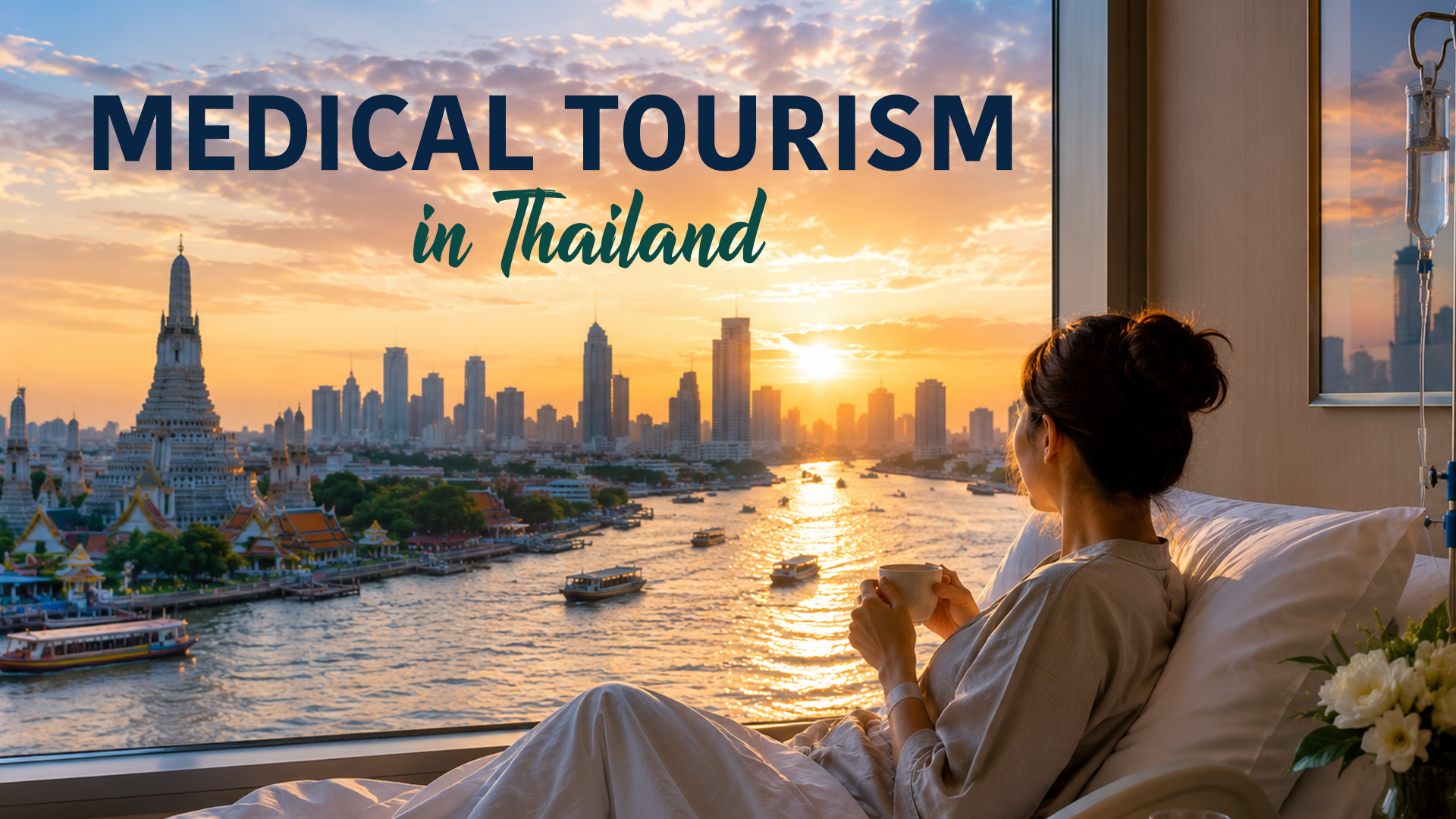
ထိုင်းနိုင်ငံရှိ ဆေးဘက်ခရီးသွားလုပ်ငန်း: ကျန်းမာရေး ကုစားမှုသည် ဘဝတစ်သက်တာအမှတ်တရ ခရီးသွားခြင်းအနုပညာလို ခံစားရစေသည်
မနက်ဖြန် ဘန်ကောက်မြို့မှာ အာရုံနိုးပြီး Chao Phraya မြစ်ရဲ့အလှကိုကြည့်ရင်း၊ ရှည်လျားတဲ့လှေတွေက ကိုယ့်အိမ်ဖန်ဘးကောင့်အနီးမှာ ဖြေးဖြေးလေးဖြတ်သန်းသွားတာတွေကို မျက်လုံးခံကြည့်နေပါစို့။ နာရီအနည်းငယ်အကြာမှာတော့ ကမ္ဘာ့အဆင့်မီ ဆေးရုံတစ်ရုံမှာ ကျန်းမာရေး စစ်ဆေးမှုလုံးဝပြည့်စုံစစ်ဆေးပြီး၊ ရလဒ်တွေကို မိုင်းကြည့်ပြီးထိုင်ရင်း၊ ညစာစားခန်းတက်မထွက်ခင် Rooftop ရဲ့ ရေအေးကန်မှာ ရေနွေးကြမ်းခေါက်ကော်ဖီ နဲ့ အေးအေးဆေးဆေး ခံစားနေပါတယ်။
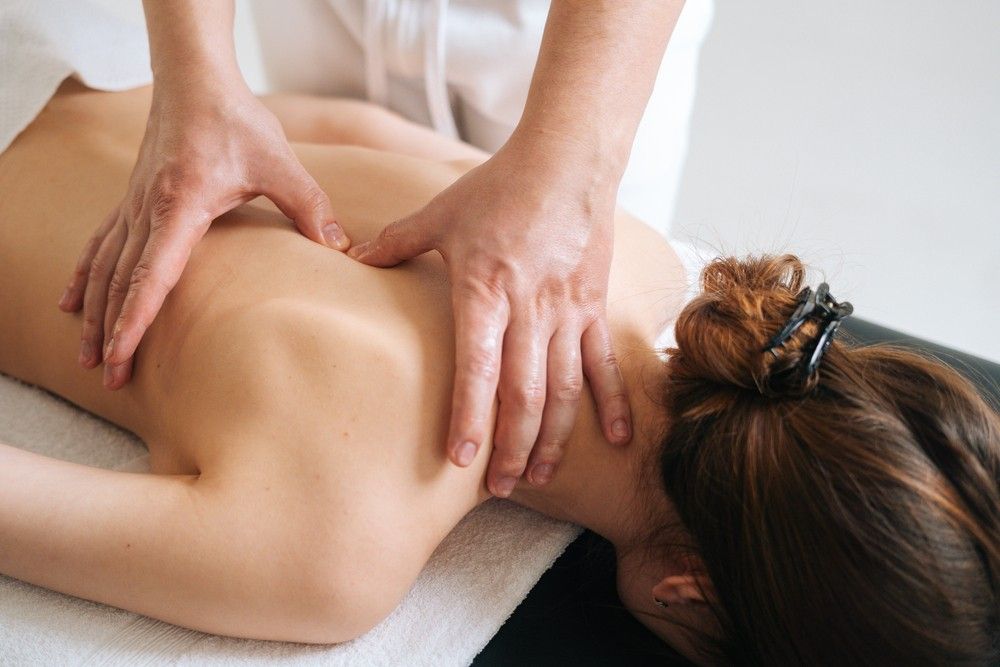
ကြာရှည်စွာပြုလုပ်သော “အကြမ်းစားမက်ဆေ့ခ်ျ” နှင့် “အဏုမနောမီနှင့်ကျန်းမာရေးမက်ဆေ့ခ်ျ” အကြားကြားဖြစ်ခြားချက်
အေနာနာမီနှင့် ကူညီပြီးသော မက်ဆေ့ jitMassageသည် စိတ်အပန်းဖြေခြင်းနှင့် ဦးရေလှုပ်ရှားမှုအကြောင်း သိမှတ်ချက်တို့ကို ပေါင်းစပ်ထားပါသည်။ ဤပုံစံသည် စိတ်ဖိစီးမှု၊ ကြిమခံမှုနှင့် ခိုင်မာမှုမလျော့မပါနိုင်ခြင်းကို သက်သာစေပြီး လှုပ်မႈကို ပြန်လည်ထူထောင်ပေးပြီး၊ မအဆင်ပြေရမည့် အကြောင်းရင်းများကို ရှာဖွေကာ ကုသနိုင်သည်။ ရုံးအလုပ်များကြောင့် ဖြစ်သော Office Syndrome သို့မဟုတ် ခံစားမှုကြာရှည်သော ကြင်နာမှုများအတွက် ညီညွတ်ပါသည်။