Pneumonitis
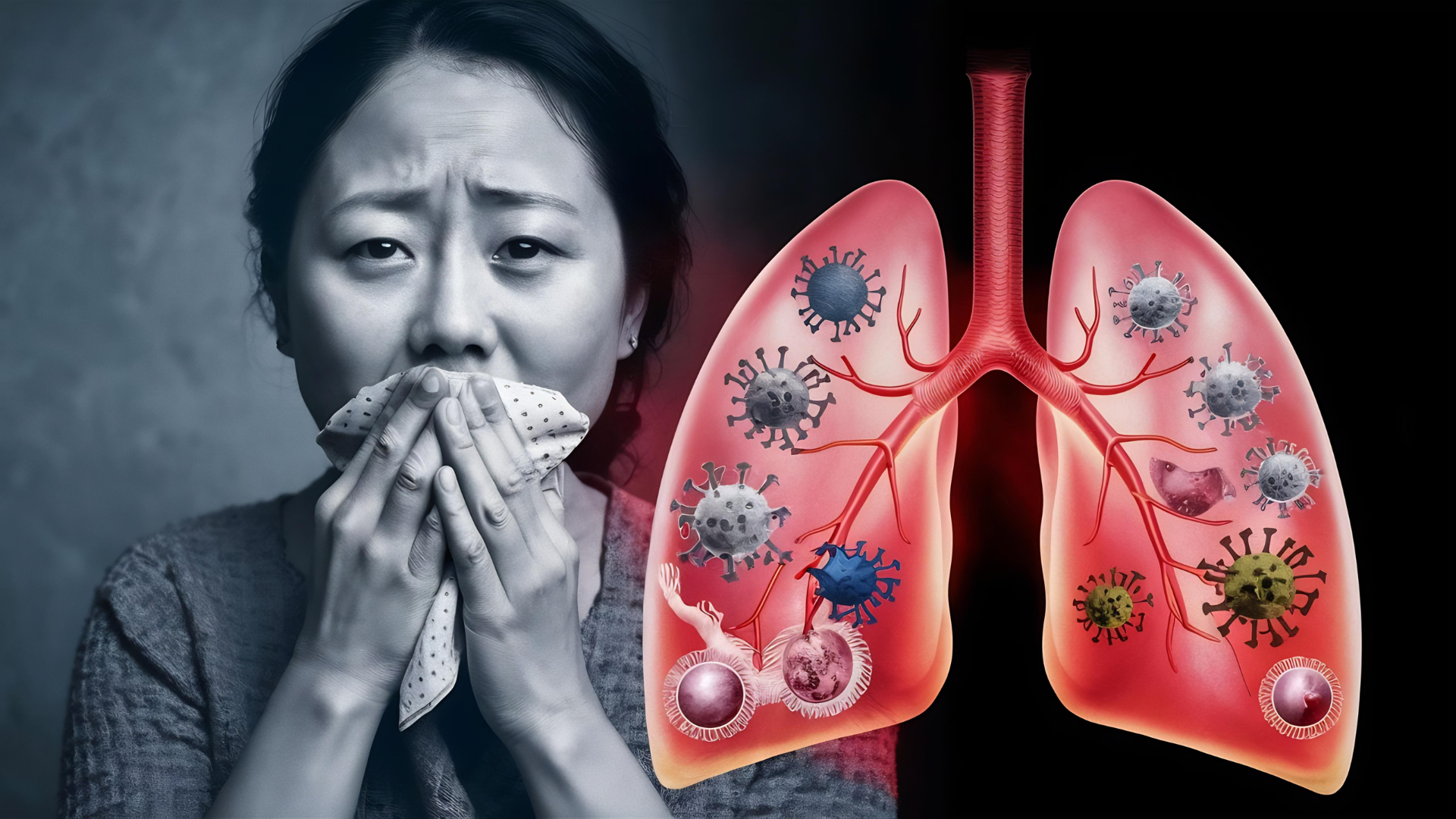
The condition is particularly common among young children, older adults, and people with weakened immune systems. Its severity and risk of complications depend on the cause of infection, the patient’s age, and their overall health.
Some cases can become severe and life-threatening. People in high-risk groups should therefore discuss recommended vaccinations with their doctor.
How Is Pneumonia Diagnosed?
The doctor will ask about symptoms, particularly:
๐ Cough with phlegm
๐ Fever
๐ Rapid or difficult breathing
๐ Chest pain
A physical examination may include listening to the lungs for abnormal breathing sounds. A chest X-ray may also be performed to look for inflammation or infection in the lungs.
Additional laboratory tests may include:
๐ Complete blood count: To look for signs of infection, including an increased white blood cell count
๐ Blood oxygen measurement: To assess how effectively the lungs transfer oxygen into the bloodstream
๐ Sputum testing and culture: To identify the microorganism causing the infection
๐ Blood culture: To determine whether the infection has entered the bloodstream
Who Is at Higher Risk?
Pneumonia can affect people of all ages, but infectious pneumonia is more common or more serious among:
๐ Children younger than two years old
๐ Adults aged 65 years and above
๐ Patients admitted to hospital, particularly those in an intensive care unit
๐ People with chronic diseases such as diabetes, asthma, chronic obstructive pulmonary disease, or heart disease
๐ People with weakened immune systems
This includes:
๐ People living with HIV
๐ Organ or bone marrow transplant recipients
๐ Cancer patients receiving chemotherapy
๐ People taking immunosuppressive medicines for extended periods
๐ People who smoke
How Does Pneumonia Develop or Spread?
Depending on the cause, pneumonia may occur through:
๐ Inhaling respiratory droplets released when an infected person coughs or sneezes
๐ Close contact with respiratory secretions
๐ Aspiration of saliva, food, vomit, or digestive secretions into the lungs
๐ The spread of infection through the bloodstream
๐ The spread of infection from nearby organs or tissues
๐ Contaminated medical equipment or procedures in healthcare settings
Not every type of pneumonia spreads directly from person to person. The method of transmission depends on the microorganism involved.
Symptoms of Pneumonia
Common symptoms include:
๐ High fever
๐ Feeling hot or flushed
๐ Sweating and chills
๐ Cough with phlegm
๐ Chest pain, particularly when breathing or coughing
๐ Rapid breathing
๐ Shortness of breath
๐ Difficulty breathing
๐ Nausea, vomiting, or diarrhoea
๐ Fatigue
๐ Muscle and joint pain
Symptoms in Older Adults
Older adults may experience:
๐ Drowsiness
๐ Confusion
๐ Reduced alertness
๐ Weakness
๐ Little or no fever
Symptoms in Infants and Young Children
Infants and young children may experience:
๐ Abdominal pain or bloating
๐ Vomiting
๐ Unusual drowsiness
๐ Refusal to breastfeed, eat, or drink
๐ Rapid or laboured breathing
๐ Fever-related seizures in some cases
Treatment for Pneumonia
Treatment focuses on controlling the infection, relieving symptoms, and preventing complications.
Antibiotics
Antibiotics are used when pneumonia is caused by bacteria.
Patients should take antibiotics exactly as prescribed and complete the full course. Unnecessary or inappropriate antibiotic use can contribute to antimicrobial resistance, including resistance in bacteria such as Streptococcus pneumoniae.
Antibiotics do not treat viral pneumonia unless a secondary bacterial infection is also present.
Supportive Treatment
For viral pneumonia and other causes, treatment may focus on relieving symptoms and supporting breathing.
Treatment may include:
๐ Fever-reducing medication
๐ Bronchodilators when appropriate
๐ Medicines that help loosen phlegm
๐ Adequate fluid intake
๐ Intravenous fluids in severe cases
๐ Supplemental oxygen
๐ Chest physiotherapy in selected patients
Patients with severe symptoms may need hospital treatment and close monitoring.
Possible Complications
Pneumonia may lead to serious complications, particularly among high-risk patients.
Possible complications include:
๐ Bacteria spreading from the lungs into the bloodstream
๐ Infection of other organs
๐ Sepsis
๐ Lung abscess
๐ Fluid accumulation around the lungs
๐ Infected fluid in the pleural cavity
๐ Respiratory failure
How to Reduce the Risk of Pneumonia
Avoid Smoking
Smoking damages the lungs’ natural defence mechanisms and makes respiratory infections more likely.
Maintain Good Hygiene
๐ Wash your hands regularly with soap and water.
๐ Use alcohol-based hand sanitiser when appropriate.
๐ Avoid close contact with people who have respiratory infections.
๐ Avoid crowded or poorly ventilated places during outbreaks.
Avoid Respiratory Irritants
Reduce exposure to:
๐ Cigarette smoke
๐ Fire and cooking smoke
๐ Vehicle exhaust fumes
๐ Dust and air pollution
๐ Extremely cold air when it triggers respiratory symptoms
Seek Care for Respiratory Infections
Do not ignore worsening symptoms from a cold or influenza, particularly when accompanied by:
๐ Persistent high fever
๐ Shortness of breath
๐ Chest pain
๐ Severe weakness
๐ Symptoms that continue to worsen
Support Immune Health
๐ Get adequate sleep.
๐ Eat a balanced and nutritious diet.
๐ Exercise regularly according to your physical condition.
๐ Manage chronic medical conditions carefully.
Avoid Excessive Alcohol Consumption
Heavy alcohol consumption may reduce alertness and increase the risk of aspirating saliva, vomit, or food into the lungs.
Who Should Consider Pneumococcal Vaccination?
Pneumococcal vaccines help protect against diseases caused by Streptococcus pneumoniae, one of the important bacterial causes of pneumonia.
Vaccination may be recommended for:
๐ Adults aged 65 years and above
๐ People aged 2-65 years with weakened immune systems
๐ People taking corticosteroids, immunosuppressive medicines, or certain cancer treatments
๐ People receiving radiotherapy
๐ People with kidney failure or cancer
๐ People without a functioning spleen
๐ Organ or bone marrow transplant recipients
๐ People living with HIV
๐ People with chronic lung disease
๐ People with chronic heart disease
๐ People with diabetes
๐ People with cirrhosis or chronic alcohol-related health problems
๐ People with cerebrospinal fluid leakage
๐ Cochlear implant recipients
๐ Adults aged 19-64 years who smoke
๐ Adults aged 19-64 years with asthma
Vaccination cannot prevent every cause of pneumonia, but it may reduce the risk and severity of pneumococcal infection.
When to Seek Immediate Medical Attention
Seek urgent medical care when pneumonia symptoms are accompanied by:
๐ Severe difficulty breathing
๐ Blue lips or fingertips
๐ Chest pain
๐ Confusion or reduced consciousness
๐ Very rapid breathing
๐ Low blood oxygen levels
๐ Persistent high fever
๐ Inability to eat or drink
๐ Rapid deterioration
Early diagnosis and appropriate treatment can reduce the risk of severe complications and improve the chance of recovery.
Reference :
Independent Writer
Share this article
More Articles
Discover more insights on health care and medical tourism.

Medical Wellness by Hertitude: Longevity Medicine at Aman Nai Lert Bangkok
On the 8th floor of Aman Nai Lert Bangkok, within the seven-acre green seclusion of Nai Lert Park in the heart of the city's Lumphini district, sits Medical Wellness by Hertitude Clinic a physician-led longevity and wellness practice built into one of Bangkok's most private luxury addresses. The clinic occupies part of the hotel's 1,500-square-metre Aman Spa & Wellness centre, positioned on its own floor alongside the Aman Spa above it, forming what the hotel describes as a seamless synthesis of advanced medical wellness and traditional Thai healing.

Genetic Testing for Cancer Risk: Understanding Your Inherited Blueprint for Prevention
Cancer develops through a complex combination of genetic, environmental and lifestyle factors. While behaviors such as smoking, alcohol consumption, diet, physical activity and exposure to certain harmful substances can influence cancer risk, inherited genetic variants can also make some individuals more susceptible to certain types of cancer.

Behind the Surgery: Getting to Know Dr. Tanongsak Panyawirunroj of Asia Cosmetic Hospital
When people think of plastic surgery, they often focus first on what can be seen after a procedure the shape of the face, the nose, the eyes, the breasts, or the contours of the body. Yet behind every visible change lies a far more complex process involving anatomical knowledge, surgical experience, patient assessment, and a series of medical decisions made before, during, and after surgery.