“Doença Renal” A Ameaça Silenciosa Que Você Não Deve Ignorar: Conheça Cedo, Previna Antes Que Seja Tarde Demais
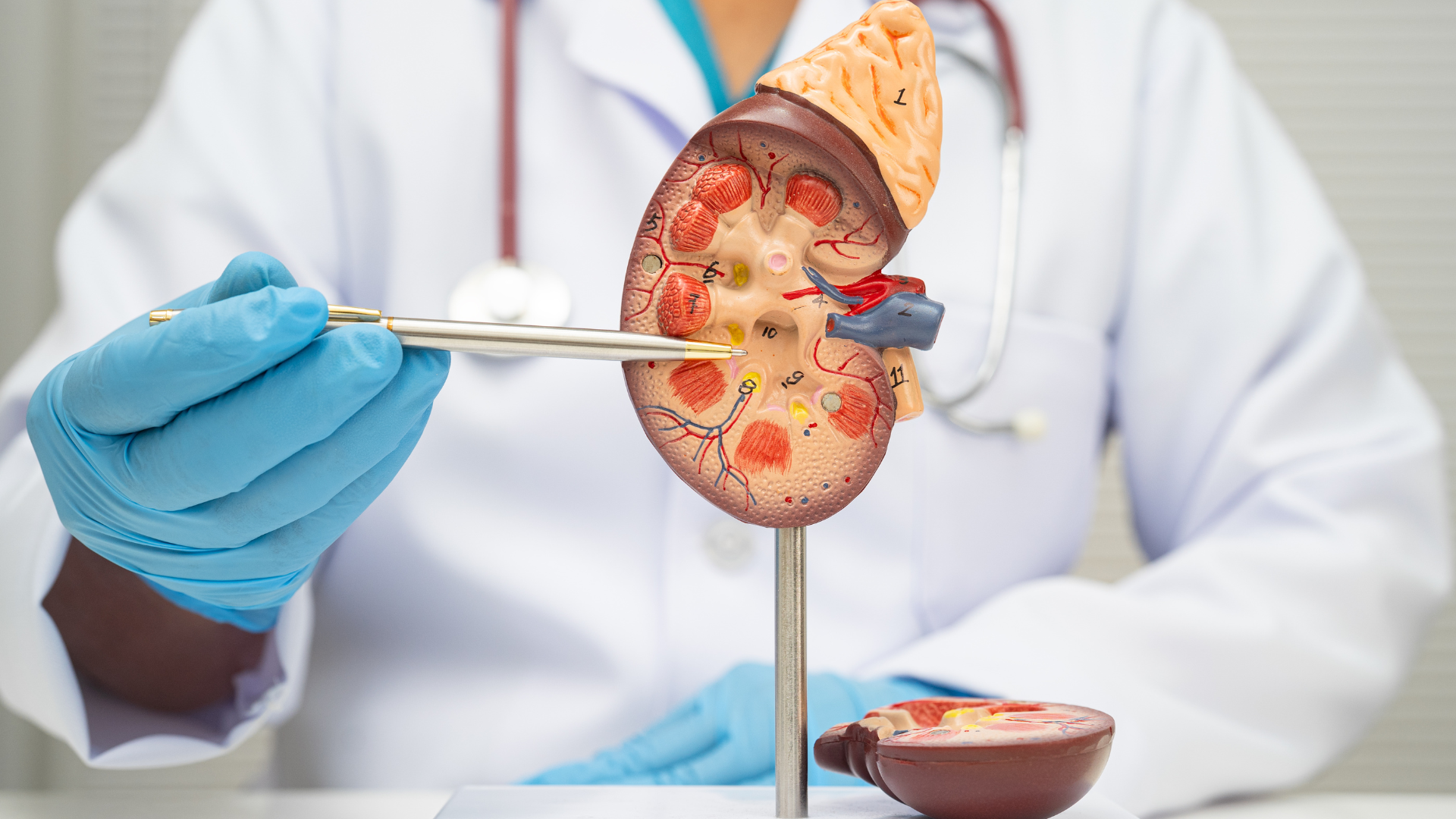
A doença renal é uma das doenças crônicas mais comuns entre os tailandeses, e sua prevalência continua a aumentar. O que é especialmente preocupante é que a doença renal em seus estágios iniciais geralmente não apresenta sintomas, levando muitos pacientes a descobrirem a condição apenas depois que ela já progrediu para um estágio mais grave. Assim, compreender a doença renal desde os estágios iniciais é essencial para uma prevenção eficaz e para retardar a perda da função renal.
O Que É a Doença Renal?
Os rins são órgãos vitais responsáveis pela filtragem de produtos residuais e toxinas do sangue, regulando o equilíbrio de água, minerais e pressão arterial, além de participarem na produção de glóbulos vermelhos. Se os rins funcionam de maneira anormal ou começam a se deteriorar, isso pode ter um grande impacto em muitos sistemas do corpo.
A doença renal pode ser dividida em dois tipos principais:
1. Doença renal aguda se desenvolve subitamente e é frequentemente causada por infecção, desidratação, nefrite relacionada a distúrbios autoimunes ou pelo uso de certos medicamentos.
2. Doença renal crônica é uma condição em que os rins perdem gradualmente a função ao longo do tempo. Geralmente se desenvolve durante vários anos e pode eventualmente levar à insuficiência renal terminal. Em pacientes com doença renal crônica, os médicos classificam a condição em cinco estágios, baseando-se na taxa de filtração glomerular dos rins (TFG), que reflete quão eficazmente os rins filtram resíduos do sangue.
- Estágio 1 da doença renal crônica: a função renal (TFGe) é superior a 90 mL/min
- Estágio 2 da doença renal crônica: a função renal (TFGe) está aproximadamente entre 60–89 mL/min
- Estágio 3 da doença renal crônica: a função renal (TFGe) está aproximadamente entre 30–59 mL/min
- Estágio 4 da doença renal crônica: a função renal (TFGe) está aproximadamente entre 15–29 mL/min
- Estágio 5 da doença renal crônica: a função renal (TFGe) é menor que 15 mL/min
Durante os estágios 1-3 da doença renal crônica, a capacidade dos rins para filtrar resíduos e toxinas geralmente ainda não está gravemente comprometida. Os pacientes devem receber cuidados e tratamento adequados desde os estágios iniciais. Se a doença progredir para o estágio 4 ou 5, os pacientes podem apresentar complicações graves devido à diminuição da capacidade dos rins de eliminar resíduos, podendo eventualmente necessitar de terapia de substituição renal.
Fatores comuns que contribuem para a doença renal incluem
- Diabetes e hipertensão arterial
- Uso prolongado de analgésicos ou certos medicamentos fitoterápicos
- Infecções urinárias recorrentes
- Hábito de consumir alimentos muito salgados
- Nefrolitíase ou cálculos no trato urinário
- Obesidade, tabagismo e consumo regular de álcool
- Genética ou histórico familiar de doença renal
Sintomas da Doença Renal para Ficar Atento
Nos estágios iniciais, a doença renal pode não causar sintomas óbvios. No entanto, à medida que a condição progride, podem aparecer os seguintes sinais:
- Fadiga ou sensação de cansaço fácil
- Urinar mais frequentemente que o habitual, ou menos que o normal
- Urina espumosa, urina escura ou presença de sangue na urina
- Edema no rosto, pés ou tornozelos
- Hipertensão arterial de difícil controle, ou pressão alta em pessoas com menos de 40 anos
Diagnóstico da Doença Renal
Check-ups regulares de saúde podem ajudar a detectar a doença renal em seu estágio inicial. Os médicos costumam avaliar a condição através dos seguintes métodos:
- Exames de sangue para avaliar a função renal
- Exames de urina para verificar a presença de proteína e hemácias, que normalmente não estão presentes na urina. Se essas substâncias forem encontradas, pode indicar que os rins não estão filtrando os resíduos adequadamente
- Ultrassonografia renal ou raio-X para identificar anormalidades nos rins, bem como em outros órgãos do sistema urinário
Tratamento e Cuidados para Pacientes com Doença Renal
A abordagem terapêutica depende do estágio da doença e de sua causa subjacente, com foco principal em:
- Controle das doenças de base, como diabetes e hipertensão arterial
- Ajuste nos hábitos alimentares, reduzindo a ingestão de sal e limitando proteínas conforme orientação médica
- Evitar medicamentos que possam prejudicar os rins
- Comparecer a consultas regulares de acompanhamento
Além disso, a doença renal pode ser prevenida ou sua progressão retardada seguindo estas recomendações:
- Beber água potável em quantidade suficiente
- Evitar alimentos excessivamente salgados
- Praticar exercícios regularmente e manter um peso saudável
- Não tomar medicamentos ou remédios fitoterápicos sem consultar um médico
- Realizar um check-up anual, especialmente se você tiver fatores de risco
Cuide da sua saúde renal a partir de hoje. A doença renal pode ser uma ameaça silenciosa, mas pode ser prevenida e sua gravidade pode ser retardada com o cuidado adequado. Exames de saúde regulares e mudanças no estilo de vida são as chaves para manter a saúde dos rins a longo prazo. O Hospital Phitsanuvej Phichit está pronto para fornecer diagnóstico, cuidados e consultoria por uma equipe de especialistas experientes para apoiar uma melhor saúde renal e uma qualidade de vida sustentável para todos.
Fonte:
Arokago Providers Hospital Phitsanuvej Phichit
**Traduzido e compilado pela Equipe de Conteúdo ArokaGO**
Escritor Independente
Compartilhar este artigo
Mais Artigos
Descubra mais insights sobre saúde e turismo médico.

Wellness Tourism in Thailand | Why Travelers Come for More Than a Holiday
When people think about Thailand, beaches, street food, temples, and vibrant city life usually come to mind. But in recent years, something has changed. More travelers are arriving with a different purpose — not only to explore, but to improve their wellbeing, reduce stress, undergo preventive health screening, or simply take better care of themselves.

Turismo Médico na Tailândia: Onde Recuperar a Saúde é Como Fazer a Viagem de uma Vida
Imagine acordar em Bangkok, com vista para o Rio Chao Phraya enquanto barcos de cauda longa passam pela sua janela. Horas depois, você realizou um check-up completo em um hospital de classe mundial, revisou seus resultados e está aproveitando um café gelado à beira da piscina no terraço antes do jantar no Asiatique.

Diferença entre “Massagem Geral” e “Massagem de Anatomia e Bem-estar”
Massagem de Anatomia & Bem-estar combina relaxamento com compreensão da estrutura muscular e equilíbrio do corpo. Ajuda a aliviar a tensão, dores musculares e rigidez, restaurar movimentos e tratar as causas raízes do desconforto. Adequada para pessoas com Síndrome do Escritório ou dores musculares crônicas.