बुजुर्ग वयस्कों में गिरने से कैसे रोकें ताकि जीवन की गुणवत्ता में सुधार हो
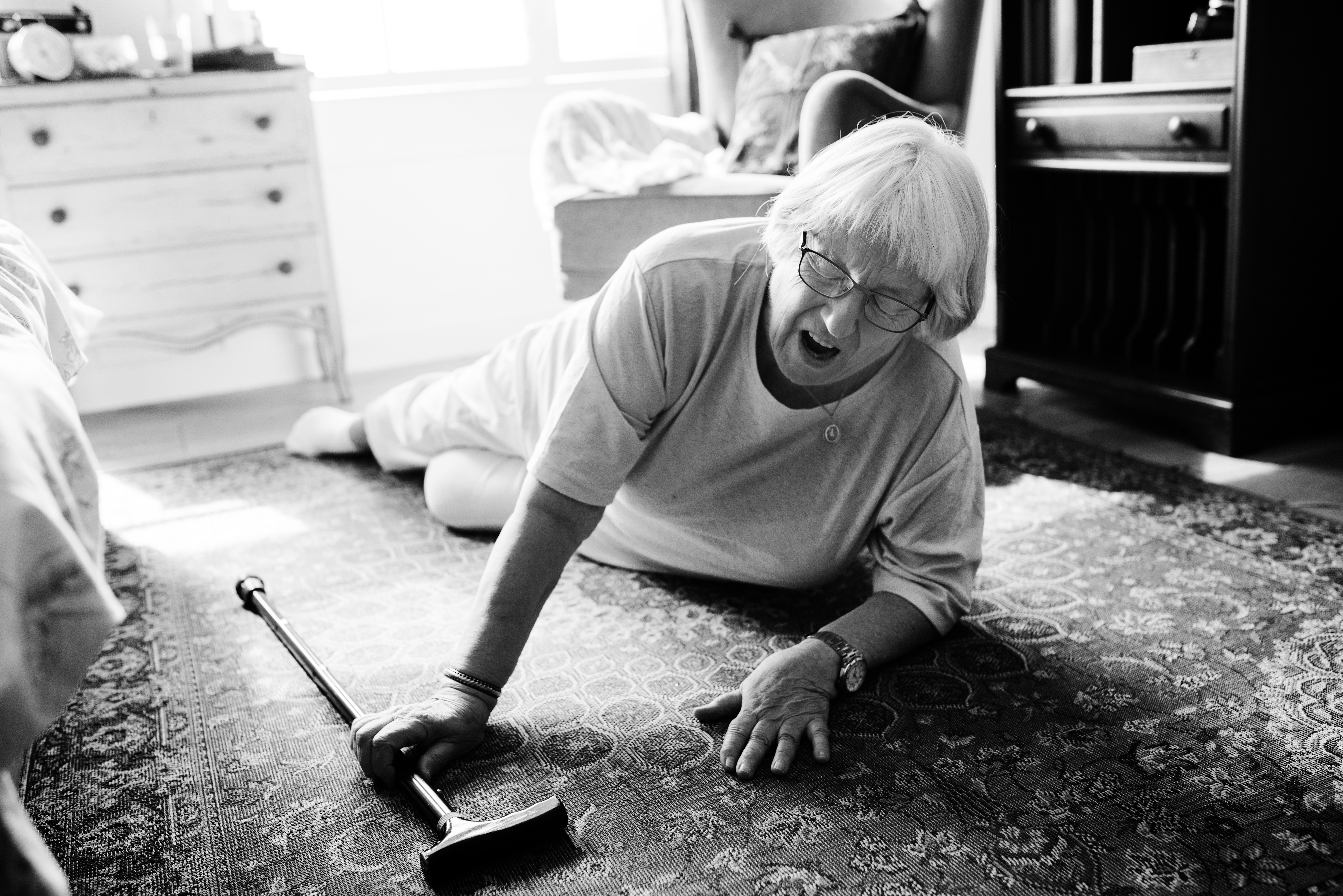
बुज़ुर्गों के लिए, एक मात्र दुर्घटना, विशेष रूप से गिरना, केवल चोट या खरोंच का कारण नहीं बनती। कई मामलों में, यह हिप फ्रैक्चर या यहां तक कि मस्तिष्क में रक्तस्राव (ब्लीडिंग इन द ब्रेन) का कारण बन सकती है, जिससे फिर से चलने में स्थायी कठिनाई हो सकती है। यही कारण है कि रोकथाम, बहुत देर हो जाने के बाद उपचार से कहीं अधिक महत्वपूर्ण है।
हर परिवार को जानने चाहिए ये 3 गिरने से बचाव के उपाय
1. घर में सुरक्षित माहौल बनाएं
पर्याप्त प्रकाश व्यवस्था आवश्यक है, विशेष रूप से बाथरूम तक के रास्ते और बिस्तर के पास। रात में दिखने की क्षमता बढ़ाने के लिए नाइट लाइट्स जलती रहनी चाहिए।
फर्श को भी सुरक्षित रखना चाहिए—रुकावटें हटाएँ, नॉन-स्लिप मैट्स का उपयोग करें, और सुनिश्चित करें कि बाथरूम का फर्श हमेशा सूखा रहे।
हैंडरेल्स भी एक महत्वपूर्ण सहायता हैं और इन्हें बाथरूम तथा सीढ़ियों या जहाँ भी ऊँचाई में परिवर्तन हो, वहाँ लगाया जाना चाहिए।
2. शारीरिक शक्ति में सुधार करें
संतुलन प्रशिक्षण (बैलेंस ट्रेनिंग) से गिरने का जोखिम कम किया जा सकता है। ताई ची या आर्म-स्विंग वॉकिंग जैसे हल्के व्यायाम संतुलन सुधारने और पैर की मांसपेशियों को मजबूत करने के लिए सुझाए जाते हैं।
नियमित रूप से आँखों की जांच भी करवानी चाहिए। धुंधली दृष्टि या कैटरैक्ट से दूरियाँ मापना कठिन हो सकता है, जिससे ठोकर लगने का खतरा बढ़ जाता है। बुज़ुर्गों को साल में एक बार नेत्र परीक्षण (आई एक्जामिनेशन) कराना चाहिए।
3. दवाओं के साइड इफेक्ट्स पर नजर रखें
कुछ दवाएं, जैसे स्लीपिंग पिल्स, ब्लड प्रेशर मेडिसिन, या एंटीहिस्टामाइंस, चक्कर आना, हल्का सिर घूमना या भ्रम (कन्फ्यूजन) का कारण बन सकती हैं। यदि ये लक्षण बार-बार दिखाई दें, तो डॉक्टर से सलाह लें ताकि दवा की समीक्षा और समायोजन किया जा सके।
“सैन पाउलो हुआ हिन में जोखिम की जांच करें”
सैन पाउलो हुआ हिन अस्पताल फॉल रिस्क असेसमेंट प्रोग्राम प्रदान करता है, जो चिकित्सकों और फिजिकल थेरेपिस्ट्स द्वारा किया जाता है। यह प्रोग्राम शरीर की संरचना, चलने की क्षमता, और हड्डियों की मजबूती का मूल्यांकन करता है, साथ ही प्रत्येक व्यक्ति के लिए व्यक्तिगत रूप से सलाह भी देता है।
“आज ही बचाव शुरू कर, अपने प्रियजनों को आत्मविश्वास से चलने में सहायता करें।”
स्रोत : सैन पाउलो हुआ हिन अस्पताल
**अनुवादित और संकलित : अरोगाGO कंटेंट टीम
स्वतंत्र लेखक
यह लेख साझा करें
अधिक लेख
स्वास्थ्य सेवा और चिकित्सा पर्यटन पर अधिक अंतर्दृष्टि खोजें।

Wellness Tourism in Thailand | Why Travelers Come for More Than a Holiday
When people think about Thailand, beaches, street food, temples, and vibrant city life usually come to mind. But in recent years, something has changed. More travelers are arriving with a different purpose — not only to explore, but to improve their wellbeing, reduce stress, undergo preventive health screening, or simply take better care of themselves.
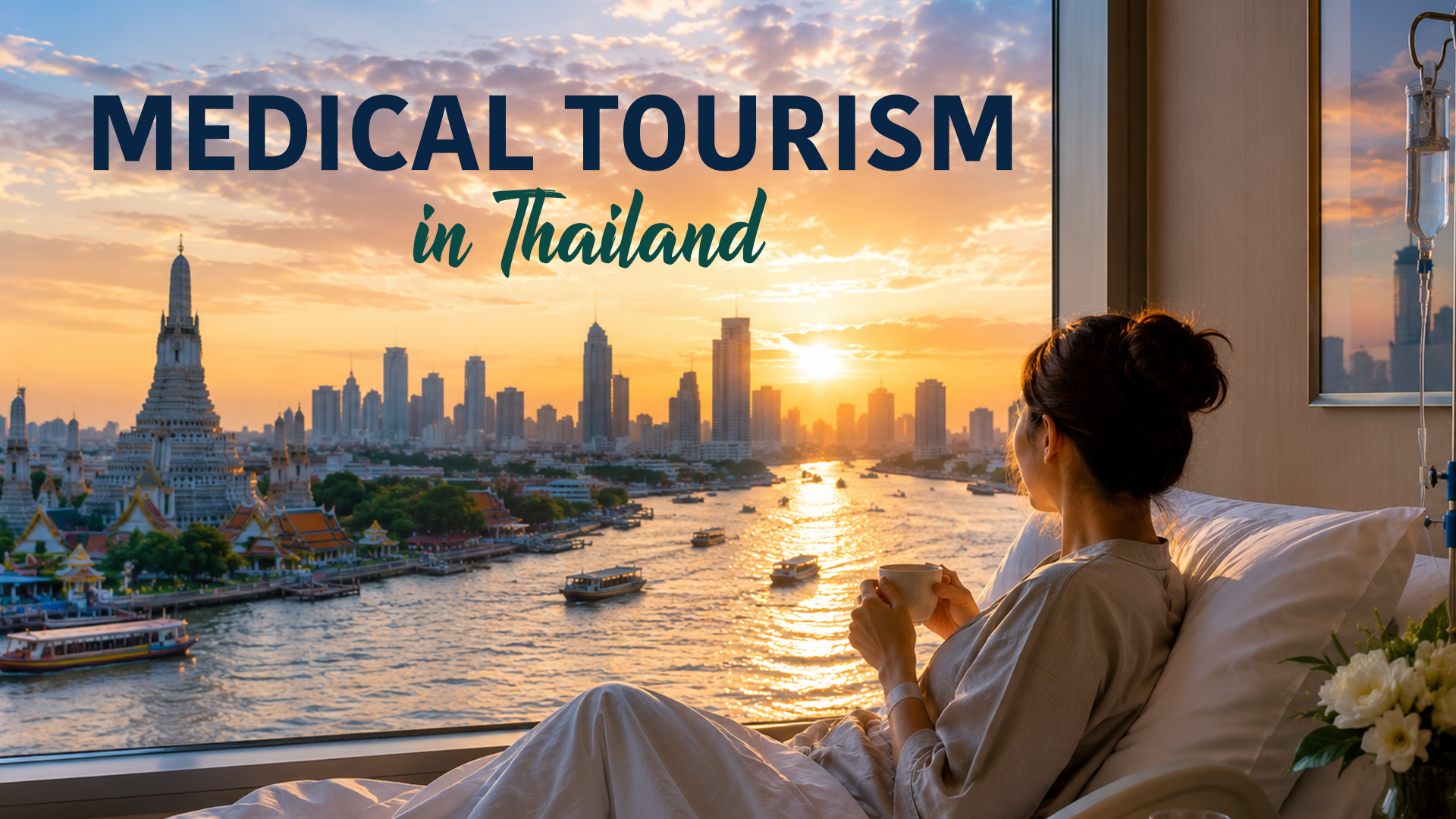
थाईलैंड में मेडिकल टूरिज्म: जहाँ इलाज करवाना जीवनभर की यात्रा जैसा अनुभव देता है
कल्पना कीजिए कि आप बैंकॉक में चाओ फ्राया नदी के किनारे जाग रहे हैं, जहाँ लंबी-पूंछ वाली नावें आपकी खिड़की के पास से गुजर रही हैं। कुछ ही घंटों बाद, आपने एक विश्व-स्तरीय अस्पताल में पूरी स्वास्थ्य जांच करवाई है, अपनी रिपोर्ट देखी है, और असियातिक में डिनर से पहले रूफटॉप पूल के पास आइस्ड कॉफी का आनंद ले रहे हैं।
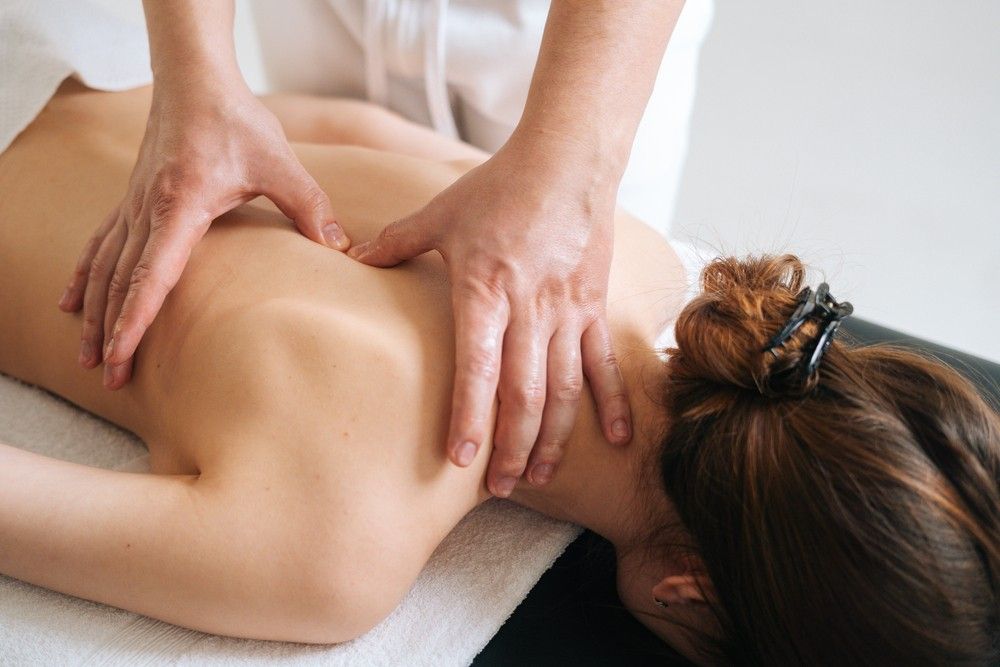
"सामान्य मालिश" और "एनाटॉमी और वेलनेस मालिश" के बीच अंतर
एनाटोमी एवं वेलनेस मसाज आराम के साथ मांसपेशियों की संरचना और शरीर के संतुलन की समझ को मिलाता है। यह तनाव, मांसपेशी दर्द और कड़ापन कम करने, गतिविधि को बहाल करने और असुविधा के मूल कारणों को दूर करने में मदद करता है। यह ऑफिस सिमड्रोम या पुरानी मांसपेशी दर्द वाले व्यक्तियों के लिए उपयुक्त है।